Simple Tips for Keeping Office Plumbing in Check
Keeping your office's plumbing in check is essential for a smooth and productive work environment. Plumbing issues can cause disruptions, lead to unsanitary conditions, and even result in costly repairs if not addressed promptly. By maintaining your office plumbing, you're ensuring that your workspace remains comfortable, efficient, and safe for everyone.
Office plumbing systems can encounter a variety of problems, from leaks and clogs to more severe issues like broken pipes. Regular inspections and preventive measures can go a long way in avoiding these headaches. Simple steps like checking for leaks, ensuring that only appropriate items are flushed, and being mindful of water usage can make a significant difference.
In this article, we'll cover easy and practical tips for maintaining office plumbing. You'll learn about the importance of regular plumbing inspections, how to identify and address common office plumbing issues, preventive tips to avoid future problems, and when it's necessary to call in a professional plumber. Armed with this knowledge, you can keep your office's plumbing system running smoothly and avoid unnecessary disruptions.
Regular Plumbing Inspections
Regular plumbing inspections are crucial for maintaining the health and efficiency of your office plumbing system. These inspections help identify potential issues before they become major problems, saving you time and money in the long run.
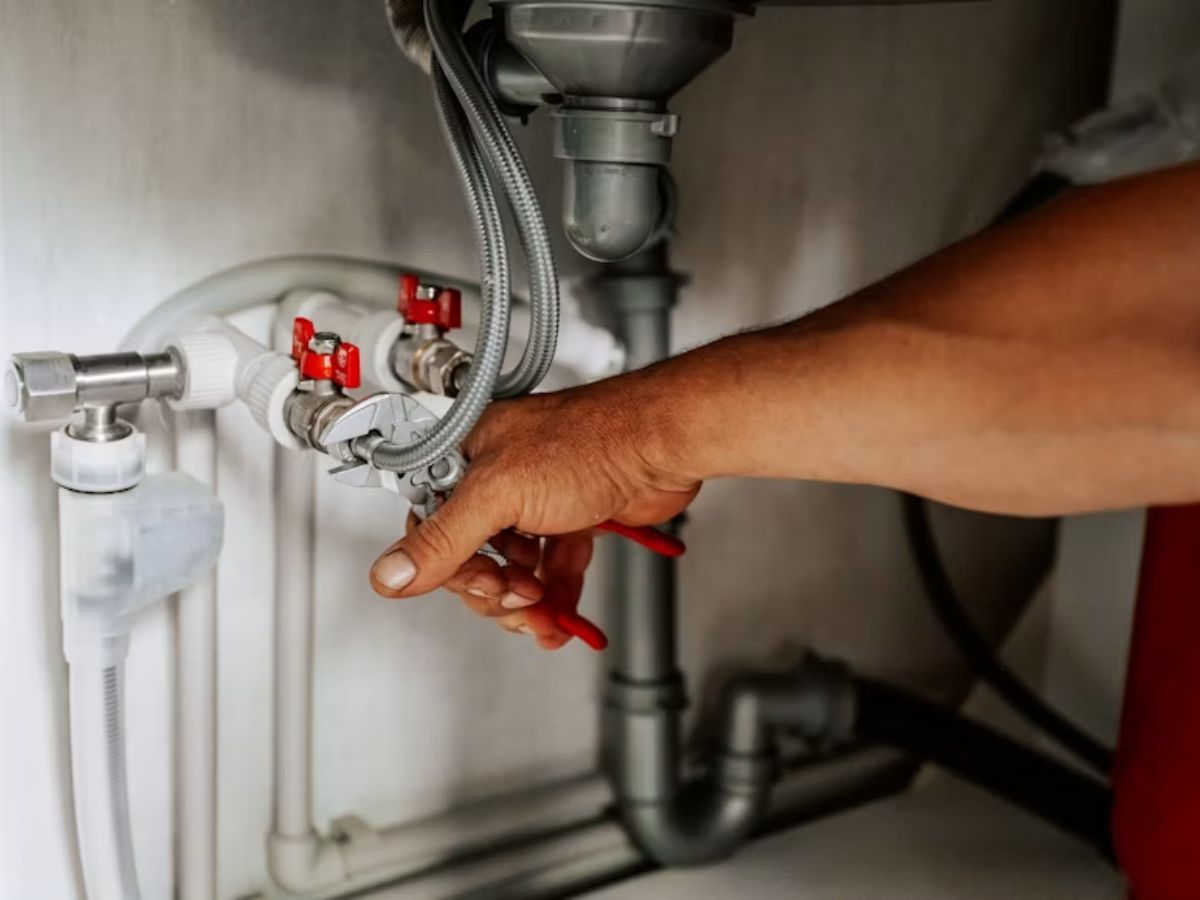
During an inspection, check faucets, pipes, and fixtures for leaks or signs of wear. Even small drips can lead to bigger problems like water damage or increased utility bills. Inspect toilets for running water sounds when not in use, as this can indicate internal leaks that waste water and money.
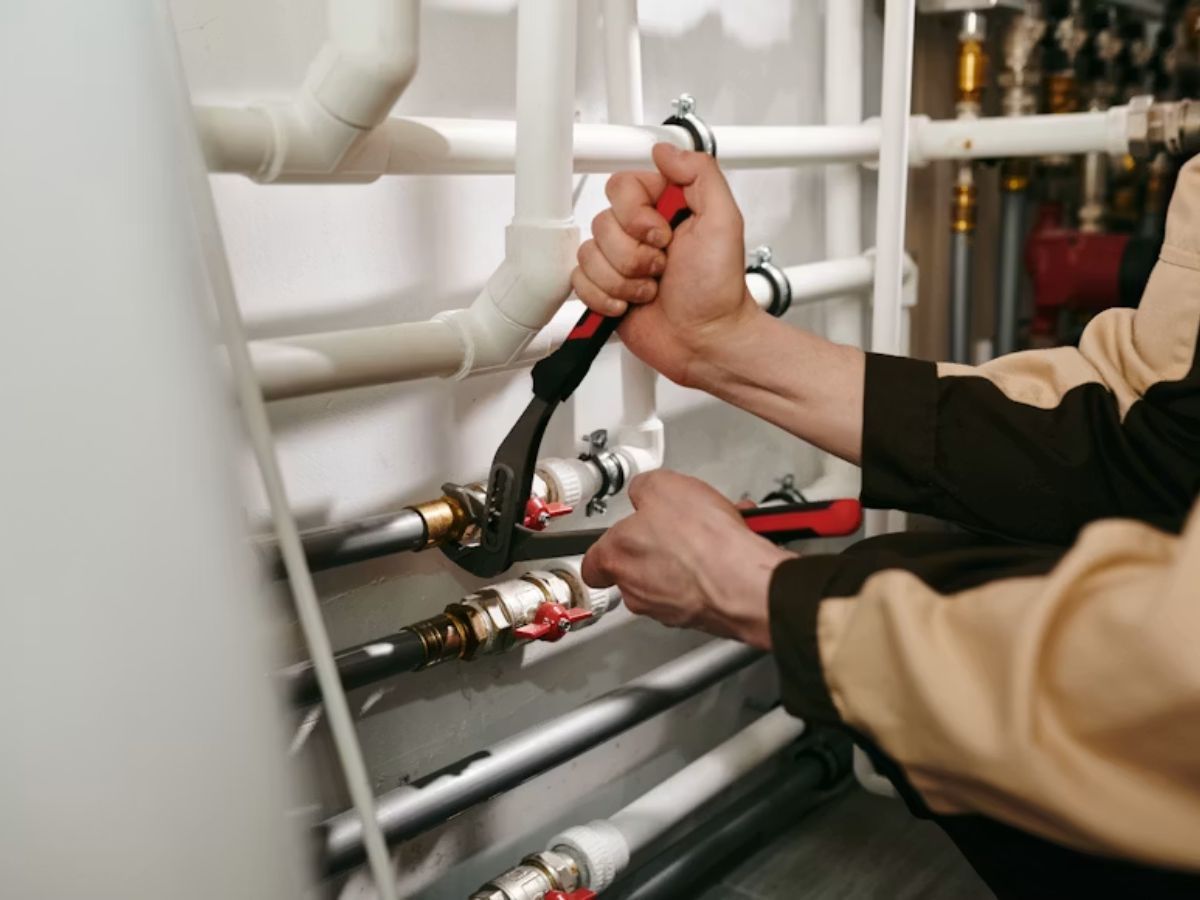
Also, verify that water pressure is at an optimal level. Low water pressure can signal a problem with the pipes, while high pressure can strain the system, leading to potential bursts. Look for any visible signs of corrosion on pipes which could indicate they are deteriorating and in need of replacement.
Make a schedule to inspect critical areas like the kitchen and bathrooms regularly. Keeping a checklist ensures you don't miss any key spots. If you notice anything unusual, it's best to address it immediately or consult with a professional.
By conducting regular plumbing inspections, you can catch small issues early and maintain a smoothly running plumbing system in your office.
Common Office Plumbing Issues and How to Address Them
Office plumbing systems can face various issues, many of which are easy to identify and address with some basic knowledge. Here are some common problems you may encounter:
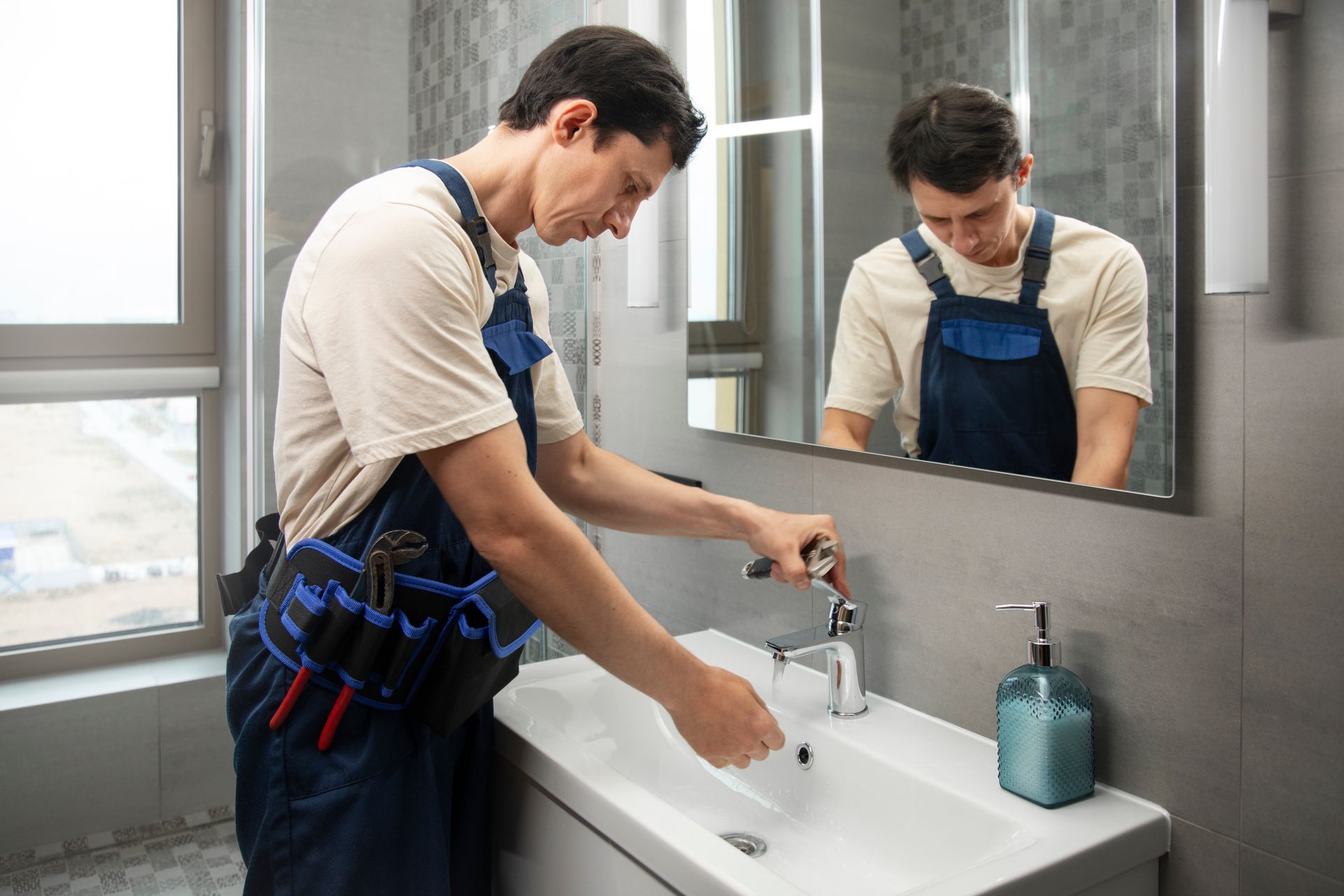
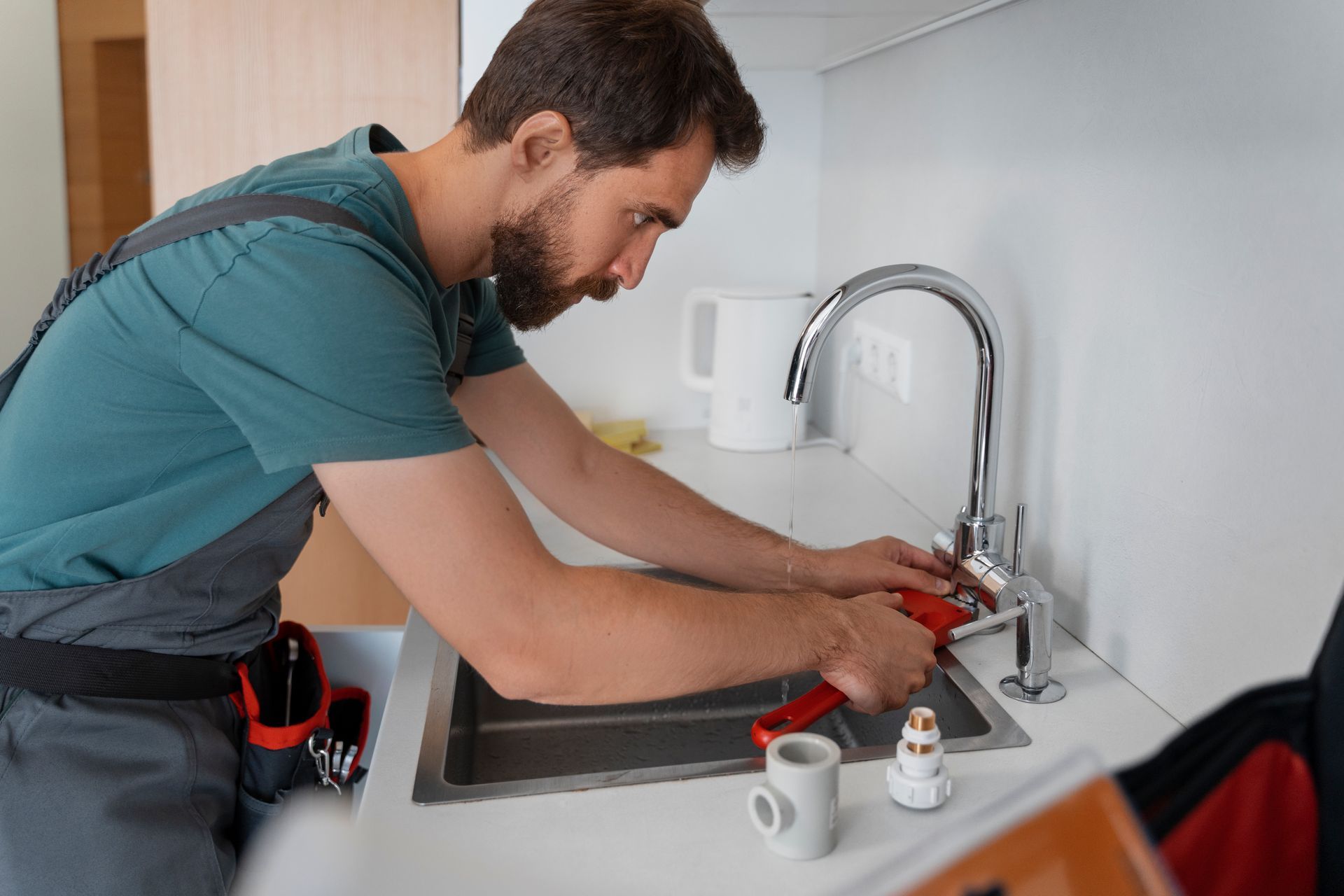
1. Leaky Faucets: Leaky faucets are annoying and waste water. Usually, the cause is a worn-out washer or seal. You can fix this by replacing the worn parts, which is a simple and inexpensive solution.
2. Clogged Drains: Drains in office kitchens or bathrooms can get clogged with food particles, hair, or other debris. Use a plunger or a drain snake to remove the blockage. Avoid using chemical drain cleaners, which can damage pipes over time.
3. Running Toilets: A toilet that runs constantly can waste a significant amount of water. The problem often lies with the flapper valve, which can become warped or dirty. Replacing the flapper or adjusting the chain can resolve this issue.
4. Low Water Pressure: If you notice a decrease in water pressure, the cause might be a buildup of sediment in the pipes or a leak somewhere in the system. Cleaning the aerators on faucets can also help improve water pressure.
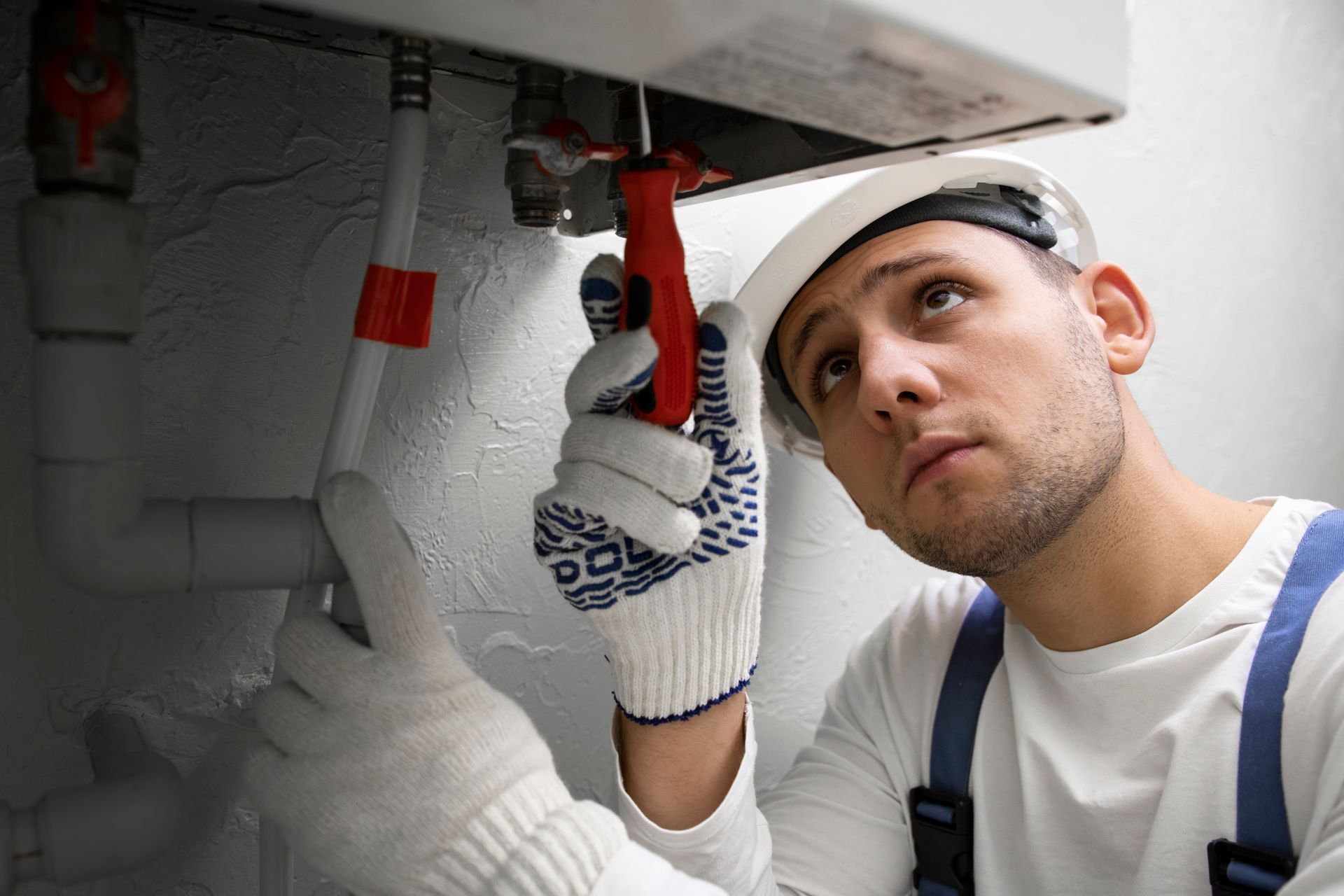
5. Water Heater Issues: Problems with water heaters, such as insufficient hot water or strange noises, can disrupt daily operations. Check the settings and flush the heater periodically to remove sediment buildup.
Addressing these common plumbing issues promptly can prevent bigger problems down the line. If a problem seems too complex, don't hesitate to call in a professional to ensure it's fixed properly.
Tips for Preventing Plumbing Problems in the Office
Preventing plumbing issues before they start can save a lot of hassle and expense. Here are some practical tips to keep your office plumbing in good working condition:
1. Educate Employees: Inform your staff about what can and cannot go down the drains and toilets. Simple habits, like not flushing paper towels or other non-flushable items, can prevent many plumbing problems.
2. Install Drain Covers: Using drain covers in sinks and showers can catch hair, food particles, and other debris, preventing them from going down the drain and causing clogs.
3. Monitor Water Pressure: Keep an eye on the water pressure in your office. High water pressure can strain pipes and fixtures, leading to leaks or bursts. You can install a pressure regulator to maintain a safe level.
4. Regular Maintenance: Schedule regular maintenance checks to catch minor issues before they become major problems. This includes inspecting seals, checking for leaks, and ensuring that all fixtures are in good working order.
5. Prompt Repairs: Address small issues immediately. A minor leak or drip can escalate into a major problem if left unattended. Quick repairs can prevent more extensive damage.
6. Grease Management: If your office has a kitchen, properly dispose of grease and oils. Let them cool and solidify, then throw them in the trash instead of pouring them down the drain.
By following these tips, you can prevent many common plumbing issues and ensure that your office plumbing runs smoothly.
When to Call a Professional Plumber for Your Office
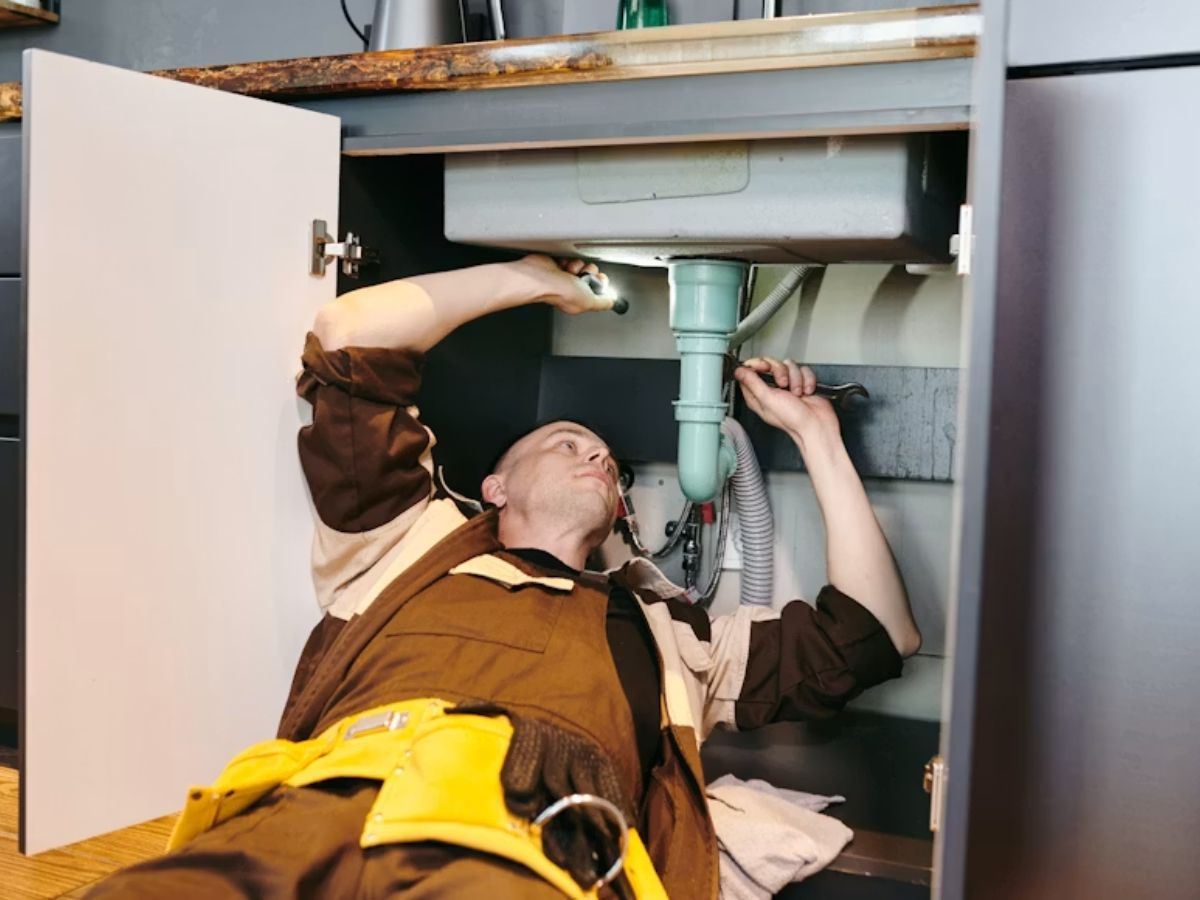
While several minor plumbing issues can be handled with DIY solutions, some situations require the expertise of a professional plumber. Knowing when to call in the pros can save you from more significant problems down the road.
1. Persistent Clogs: If you encounter a clog that doesn’t clear with basic methods like plunging or using a drain snake, it’s time to call a professional. They have the right tools and expertise to handle stubborn blockages.
2. Water Heater Problems: Issues with your water heater, such as inconsistent temperatures or strange noises, should be addressed by a professional. Attempting to fix these problems yourself can lead to more damage or even dangerous situations.
3. Low Water Pressure: If you notice a significant drop in water pressure across multiple fixtures, it could indicate a serious problem like a leak or pipe blockage. A professional can diagnose and fix the issue quickly.
4. Frequent Leaks: Continuous leaks, even if they seem minor, can signify a larger problem within your plumbing system. A professional plumber can find the root cause and provide a long-term solution.
5. Strange Odors: Unpleasant odors coming from your drains can be a sign of a serious issue like sewer gas leaks. This requires immediate attention from a plumber to ensure the safety of your office environment.
By knowing when to call a professional, you can prevent small issues from escalating into costly repairs and maintain a safe and efficient plumbing system.
Final Thoughts
Maintaining office plumbing doesn’t have to be a complicated task. Regular inspections, addressing common issues promptly, and following preventive measures can keep your plumbing system running smoothly. By educating employees on proper usage and knowing when to call a professional, you can avoid unnecessary disruptions and costly repairs.
A well-maintained plumbing system ensures that your office remains a comfortable and productive environment. Whether it's checking for leaks, managing water pressure, or scheduling regular maintenance, these simple steps can make a significant difference.
If you encounter a plumbing issue beyond your expertise, don’t hesitate to reach out for professional help. For expert
plumbing services that cater to all your office needs, contact Apollo Sewer & Plumbing. Let us handle the hard work so you can focus on what you do best.
Author Bio
Apollo Sewer & Plumbing, Inc. is a trusted full-service plumbing, sewer, and septic company in Keyport, NJ, serving residential and commercial customers throughout Central New Jersey. With over 50 years of experience, the company provides plumbing repairs, septic installation and repair, sewer and drain cleaning, hydro jetting, excavation, water heater services, and 24/7 emergency plumbing. Contact Apollo Sewer & Plumbing today for dependable service and a free quote.