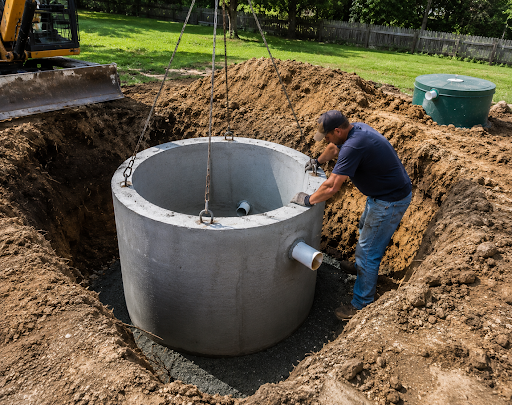
How to Get Your Yard Ready for a Residential Excavation

December 2, 2024
Residential Excavation

Getting your yard ready for residential excavation can seem like a huge task, but with some simple steps, you can make sure the process goes smoothly. Whether you need excavation for plumbing repairs, installing a septic system, or building a new structure, preparation is key to keep things on track and avoid problems.


First off, you need to clear the area of any obstacles. This means moving outdoor furniture, toys, or garden decorations out of the way. Removing these items will protect them from damage and make it safer for the workers to move around.


Next, marking utility lines and structures is crucial. You don’t want to accidentally damage gas, water, or electrical lines while digging. Proper marking helps prevent this and keeps everyone safe.


Additionally, think about the noise and vibrations that come with excavation. Preparing your household and neighbors for this disruption can help ease the process. Consider how the work might affect daily life and make necessary adjustments.


Finally, plan for soil and debris removal. Excavation creates a lot of waste that needs to be managed properly. Knowing how you will handle this beforehand ensures a cleaner and more organized worksite.


By following these steps, you can ensure that your residential excavation project is set up for success.


Clear the Area of Obstacles


The first step in preparing your yard for a residential excavation is to clear the area of any obstacles. This means you'll need to move everything that could get in the way or be damaged during the process. Start with outdoor furniture like chairs, tables, and umbrellas. Move these items to a safe location where they won’t be affected by the heavy machinery and digging.


Next, look for smaller items such as garden decorations, potted plants, and children's toys. These can be easily overlooked but can cause significant distractions or damage if left in the work area. Be sure to also trim any overhanging tree branches or bushes that might interfere with the excavation equipment.


Don’t forget to clear paths and walkways leading to and from the excavation site. This will make it easier for workers to move around and haul away debris. A clear workspace is essential for maintaining safety and efficiency during the project. Taking the time to remove these obstacles will ensure a smoother and more successful excavation.


Mark Utility Lines and Structures


Marking utility lines and structures is a critical step in preparing for an excavation. Before any digging begins, it’s essential to identify and mark the locations of underground utilities such as gas, water, and electrical lines. This step helps prevent accidental damage that can lead to serious safety hazards and costly repairs.


You can start by calling 811, the national “Call Before You Dig” number, to have professionals come out and mark the utility lines for you. They will use colored flags or paint to indicate the locations of different utilities. For instance, red typically marks electric lines, yellow for gas, blue for water, and green for sewer lines.


In addition to utility lines, clearly mark any permanent structures like sheds, fences, or garden beds that are near the excavation site. Use bright tape or stakes to outline these areas to avoid any accidental damage. Also, inform the excavation team about any underground sprinklers or drainage systems in the vicinity.


By thoroughly marking these lines and structures, you can ensure that the excavation process proceeds safely and without unintended disruptions. Proper marking protects both your property and the excavation crew, making it an essential part of the preparation process.


Prepare for Noise and Vibration


When getting ready for an excavation, it’s important to prepare for the noise and vibration that come with the job. Excavation work involves heavy machinery that can be quite loud and cause vibrations. This can be disruptive to daily life, both for your household and your neighbors.


To manage this, start by informing your neighbors about the upcoming excavation. Let them know the start and end dates, and be specific about the hours when the work will take place. A little heads-up can go a long way in maintaining good relations and reducing complaints.


Inside your home, consider how the noise and vibration will affect your daily routine. If you work from home or have small children who nap during the day, you may need to adjust your schedule or make arrangements to be away when the work is most disruptive. Securing delicate items such as glassware or picture frames is also a good idea to prevent damage from vibrations.


Lastly, if you have pets, think about how they will react to the noise. Some pets may become anxious or frightened. To keep them calm, you might want to keep them in a quieter part of the house or even take them to a friend’s place during the noisiest times.


Plan for Soil and Debris Removal


Planning for soil and debris removal is a key step in ensuring your excavation project runs smoothly. Digging up the ground creates a lot of extra soil, rocks, and other debris that needs to be taken care of. Without a proper plan, all this material can quickly turn your yard into a cluttered mess.


First, decide what you want to do with the excess soil. Sometimes, the excavated soil can be reused elsewhere in your yard for gardening or landscaping projects. If you don’t need it, you’ll need to arrange for its removal.


Talk to your excavation contractor about their plans for debris removal. Often, they can handle the disposal for you, but it’s good to clarify this upfront. Make sure to ask if there are any additional costs involved and what the process entails.


Create a designated area in your yard for temporarily storing the excavated soil and debris. This keeps the rest of your yard organized and allows the workers to move around without tripping over piles of dirt. Be sure the storage area doesn’t block any important paths or access points.


Conclusion


Getting your yard ready for residential excavation requires careful planning and attention to detail. By clearing obstacles, marking utility lines, preparing for noise and vibration, and planning for soil and debris removal, you can ensure a smooth excavation process. Proper preparation not only makes the job easier for the workers but also helps protect your property and maintains good relations with your neighbors.


At Apollo Sewer & Plumbing, we are committed not just to providing reliable
residential plumbing services but also to helping you with all your excavation needs. Whether you’re preparing for plumbing repairs, septic system installation, or any other excavation project, we’ve got you covered. Contact Apollo Sewer & Plumbing today to get started on your excavation project and ensure it’s done right from start to finish.

By Jay Caddle April 27, 2026
Septic systems don’t just fail out of nowhere. They usually warn you first, just in small ways that are easy to brush off. That is where septic tank repair services come in. What feels like a minor slow drain or a weird smell is often the start of a bigger issue building under the surface. In this blog, we will go through the real warning signs so you know what to look for before things turn into a costly mess. 1. Slow drains all over the house One slow sink is normal. But when your kitchen, shower, and toilet all start draining slow at the same time, that is not random. It usually means the septic tank is getting full or struggling to process waste. This is when people start looking for septic tank pumping services nearby, because the system is no longer keeping up. Ignore it, and you are basically waiting for a backup. 2. Bad smells that do not go away A small odor near a drain can sometimes happen. That is not always a big deal. But when that sewage smell starts showing up in your yard, bathroom, or basement, and it does not go away, something is wrong. It usually means waste gases are building up or the system is not breaking things down properly. At that point, you are past the “wait and see” stage and likely need septic tank cleaning services before it turns into something worse. 3. Standing water around the drain field Seeing wet patches or pooling water near your drain field is never normal. It is one of those signs people often ignore until it gets worse. A healthy system should drain underground cleanly. When the ground stays soggy or starts smelling, it usually means overload or failure, and that is when septic tank repair services are needed. 4. Gurgling sounds in pipes Hearing strange gurgling noises when you flush the toilet or run water is not normal. It often means air is trapped in the plumbing system because wastewater is not flowing correctly through the septic tank. People ignore this one more than they should, but it is usually an early warning sign that things are backing up. If caught early, a quick service call can prevent a full backup into the house. 5. Sewage backup in sinks or toilets This is the point nobody wants to reach. When sewage starts coming back through drains or toilets, the system is already overwhelmed. It is no longer a warning sign; it is an emergency. At this stage, most homeowners need help from local septic contractors in Old Bridge, NJ, right away to avoid damage and health risks. 6. Lush, unusually green grass over the septic area It can look like a good thing at first, but overly green grass over your septic area is not normal. It usually means wastewater is leaking into the soil and feeding the grass. That sounds harmless, but it actually means your system is failing underground and needs attention before it spreads. 7. It has been years since your last pump Even if everything seems fine, septic systems still need regular pumping to stay healthy. If it has been years since service, you are taking a risk. Solids build up quietly and cause overload, which is why scheduling septic tank pumping services nearby is not optional; it is prevention. Why acting early actually saves you money  Most septic issues do not start as emergencies. They start small. Slow drains. Weird smells. Minor yard changes. The problem is that people wait. By the time the system fully backs up, the cost of repairs jumps fast. That is why maintenance services exist in the first place. Things like septic tank cleaning services and routine inspections are not just optional upkeep. They are what keep the system from failing early. In areas like Old Bridge, having reliable help matters. Weather, soil conditions, and system age all play a role in how fast things break down. That is why working with affordable septic services in Old Bridge makes a real difference. You are not just paying for a fix. You are preventing a bigger one. Getting the right help before it turns into an emergency Septic issues don’t usually explode overnight. They creep in. A slow drain here, a weird smell there, and most people brush it off until it becomes a real problem. If you are noticing signs, here is what actually matters: Don’t wait, it only gets worse Get it checked early, before it turns into a backup Stop guessing, septic systems are not DIY territory Handle small issues now, not after damage shows up Bring in people who deal with this stuff every day Apollo Sewer & Plumbing handles everything from inspections to full septic tank repair services, especially the jobs that have already gone past “minor issue” territory. They are also one of the local septic contractors in Old Bridge, NJ people call when things turn urgent. Simple rule. If something feels off, it probably is. Fix it early and save yourself the headache later. Final thought Septic systems do not usually fail without warning. They give small signs first, and most of the time people notice them but push them aside. The real issue is not the problem itself, it is the delay. What starts as slow drains or a faint smell can quickly turn into something messy and expensive if it is ignored too long. Apollo Sewer & Plumbing helps homeowners catch these issues early with proper inspections, repairs, and maintenance before things get out of hand. [ Call Now for Septic Help ] FAQ How often should a septic tank be pumped? There is no one fixed rule, but most homes last somewhere around every 3 to 5 years. Bigger households usually need it sooner. If you are waiting until something smells or backs up, you are already late. That is why septic tank pumping services nearby are more about prevention than repair. What are the first signs that something is wrong with a septic system? It usually starts small. Drains are slowing down, toilets are acting weird, or a faint smell that comes and goes. Nothing dramatic at first. But when it starts happening in more than one place, it is your system telling you it is struggling and needs septic tank repair services. Is a bad smell from the yard or drains serious? Yes, more than people think. That smell is not normal air escaping. It usually means waste gases are not being handled properly or something is backing up underground. It might start light, but it does not stay that way. That is when septic tank cleaning services are needed before it spreads. What is the risk of ignoring septic issues? It never just stays the same. It gets worse. What starts as slow drains can turn into full sewage backup inside the house or a soggy yard that will not dry. Fixing it early is simple. Waiting turns it into a major repair. That is why regular service matters more than people realize.
septic tank
December 15, 2024
Learn how to maintain a healthy septic system at home with simple daily habits, identifying signs of trouble, and knowing when to call professionals.
commercial plumbing
December 15, 2024
Learn essential tips for maintaining commercial plumbing. Ensure your business runs smoothly with regular maintenance, common issue identification, and more.
plumbing system
December 8, 2024
Discover key plumbing tips for commercial buildings. Learn how to maintain systems, save water, tackle issues, and upgrade fixtures for efficiency.
sewer problem
December 8, 2024
Learn how to identify sewer problems early with these simple signs. Avoid big issues by spotting unpleasant odors, slow drains, and more.
Septic System
December 2, 2024
In this blog, we learn to spot septic system issues early. Discover simple checks, common problems, and when to call a professional for help. Continue reading!
sewer inspection
November 24, 2024
Learn the key signs that indicate it's time to schedule a sewer inspection to prevent costly damage and maintain a healthy home. Read on!
 home septic system
November 24, 2024
Learn simple tips to maintain your home's septic system. Keep it working efficiently with easy daily habits and know when to call in the pros.
sewer service
November 18, 2024
Learn when to schedule a sewer inspection for your property. Discover signs, benefits, timing, and what to expect during the process.
commercial plumber
November 18, 2024
Learn essential plumbing tips for your business, from preventative maintenance to managing high-traffic bathrooms and dealing with emergencies.