Essential Plumbing Tips for Commercial Buildings
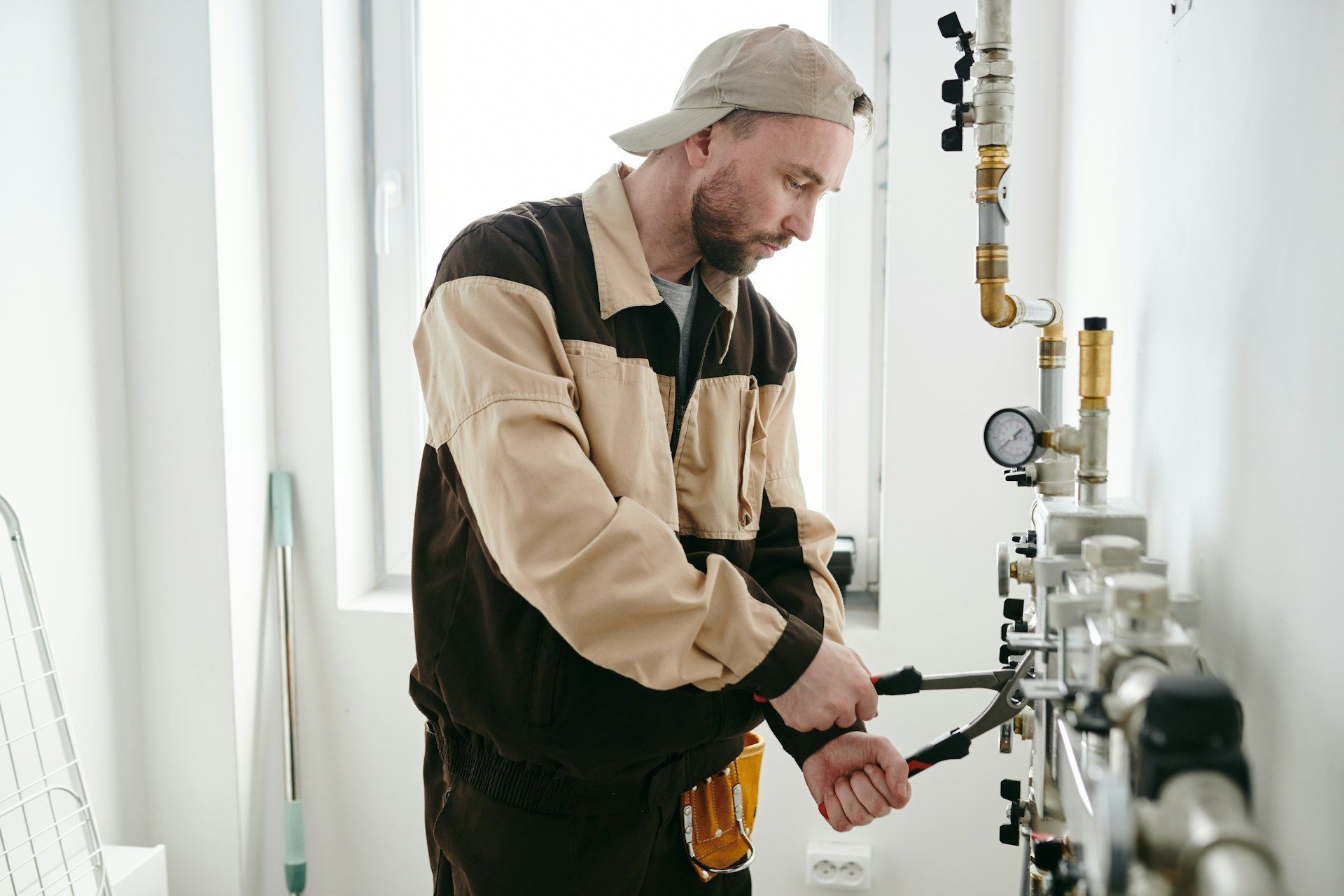
Managing the plumbing system in a commercial building can be challenging. Commercial properties often have more complex plumbing needs compared to residential ones. Keeping the plumbing system in good shape is essential for the safety and comfort of everyone in the building.
Regular maintenance and inspections can help prevent major plumbing problems. Identifying leaks, clogged drains, or faulty fixtures early can save time and money. Proper maintenance also ensures that the plumbing system runs efficiently, reducing water waste and potential damage.
Efficient water use strategies are also important. Conserving water not only helps the environment but also reduces utility bills. Simple measures like installing low-flow fixtures and educating employees about water conservation can make a big difference.
Addressing common plumbing problems promptly is crucial in a commercial setting. A small issue can quickly become a big problem if not handled right away. Quick fixes and regular checks can keep the plumbing system working smoothly.
Upgrading plumbing fixtures and systems can further enhance the efficiency of a commercial building. Modern fixtures are designed to save water and energy. Updating old systems can lead to better performance and lower costs in the long run.
By focusing on these key areas, you can maintain a reliable and efficient plumbing system in your commercial building.
Regular Maintenance and Inspections
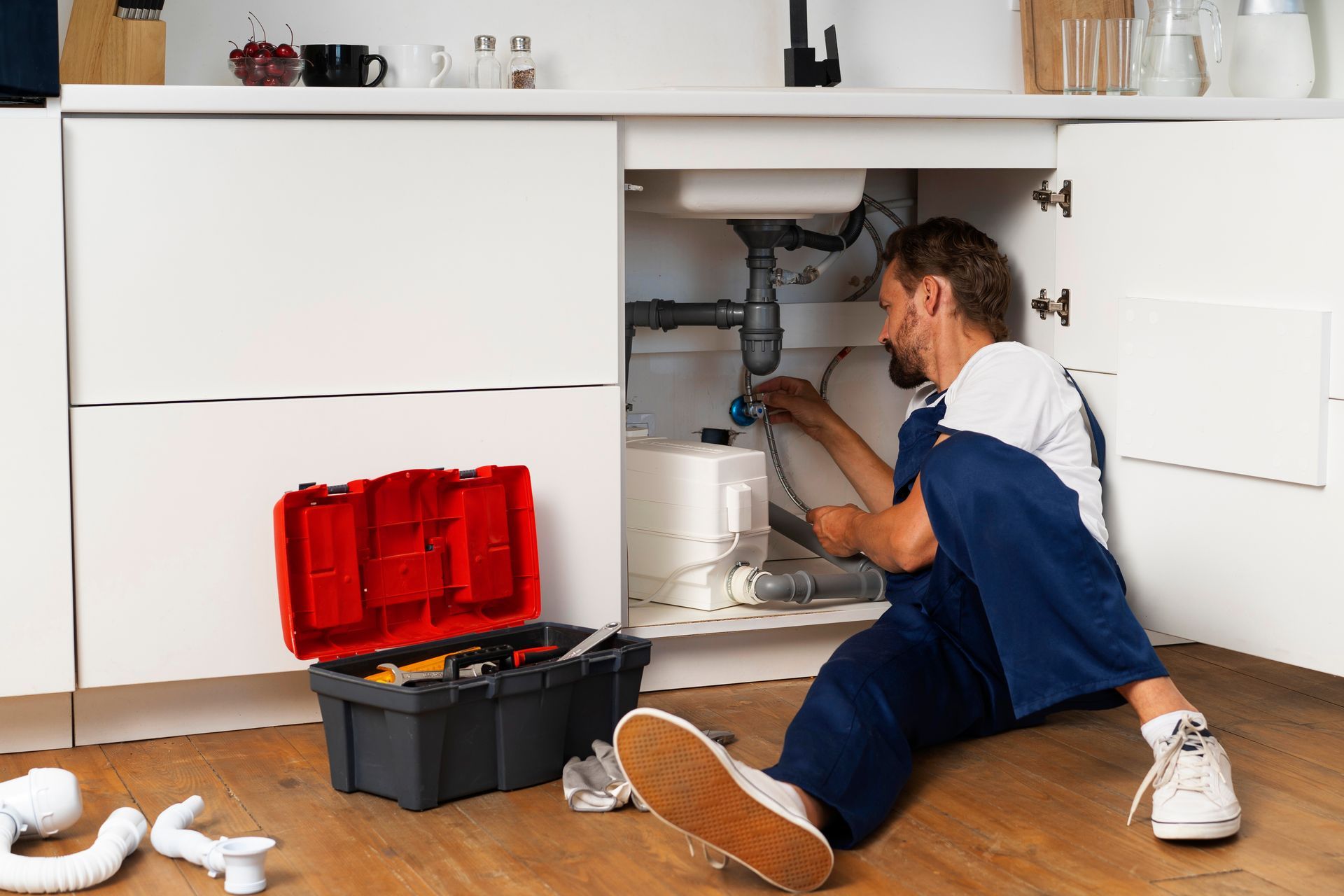
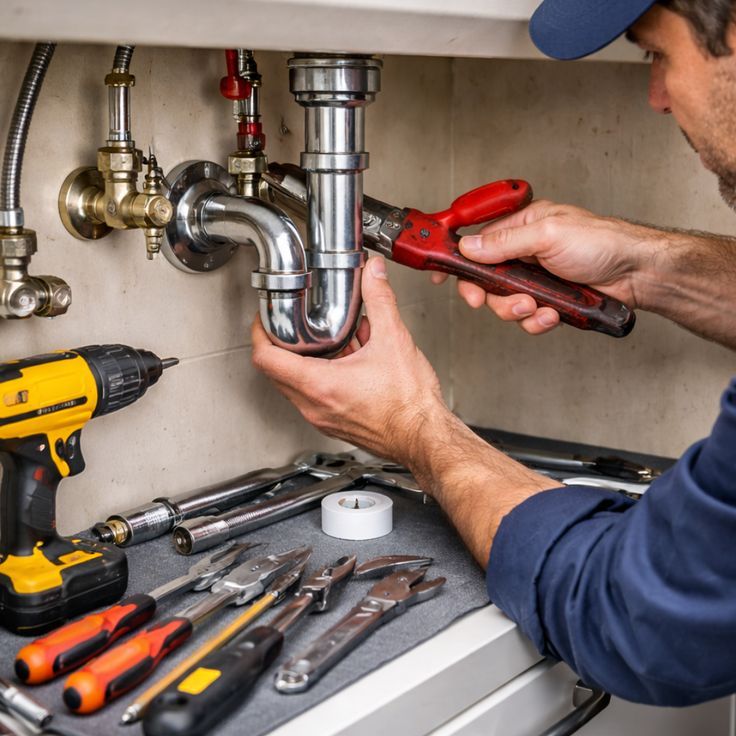
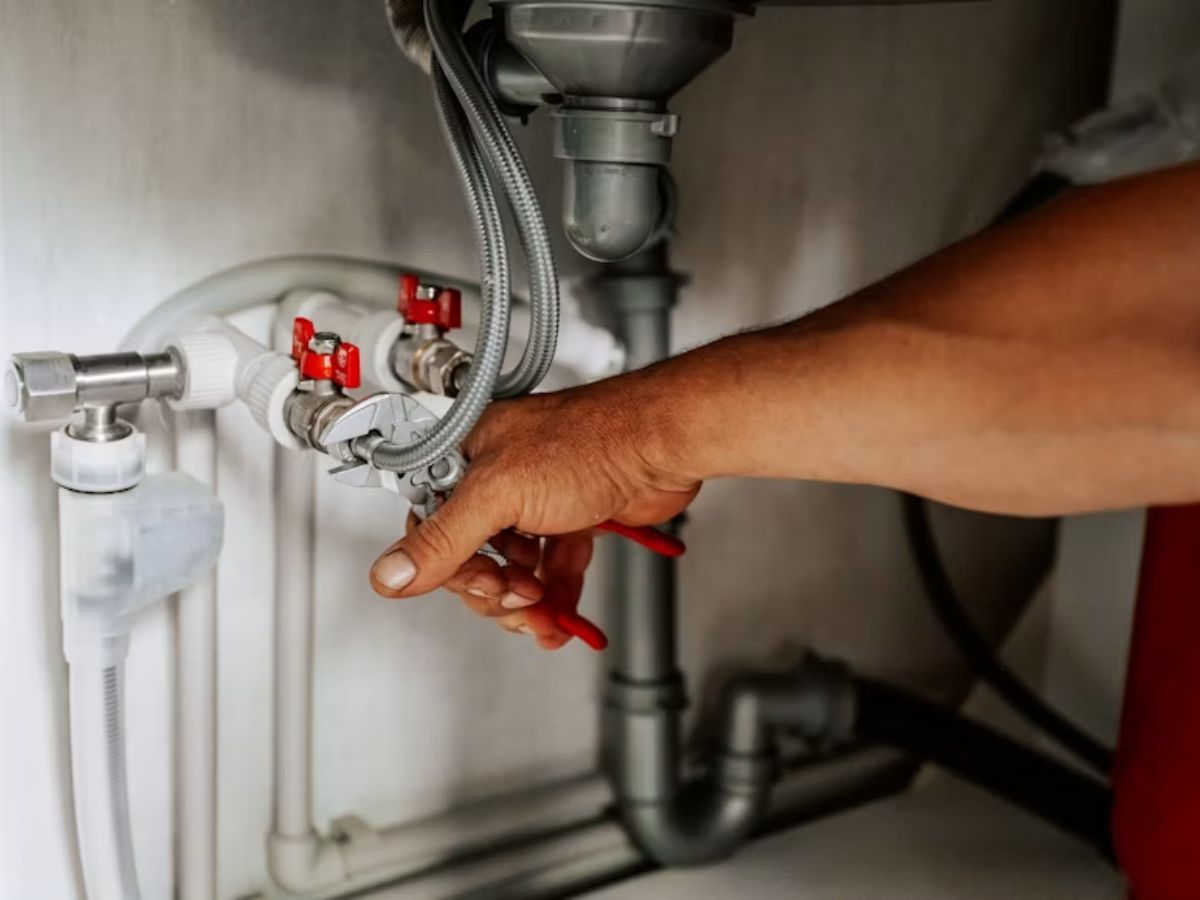
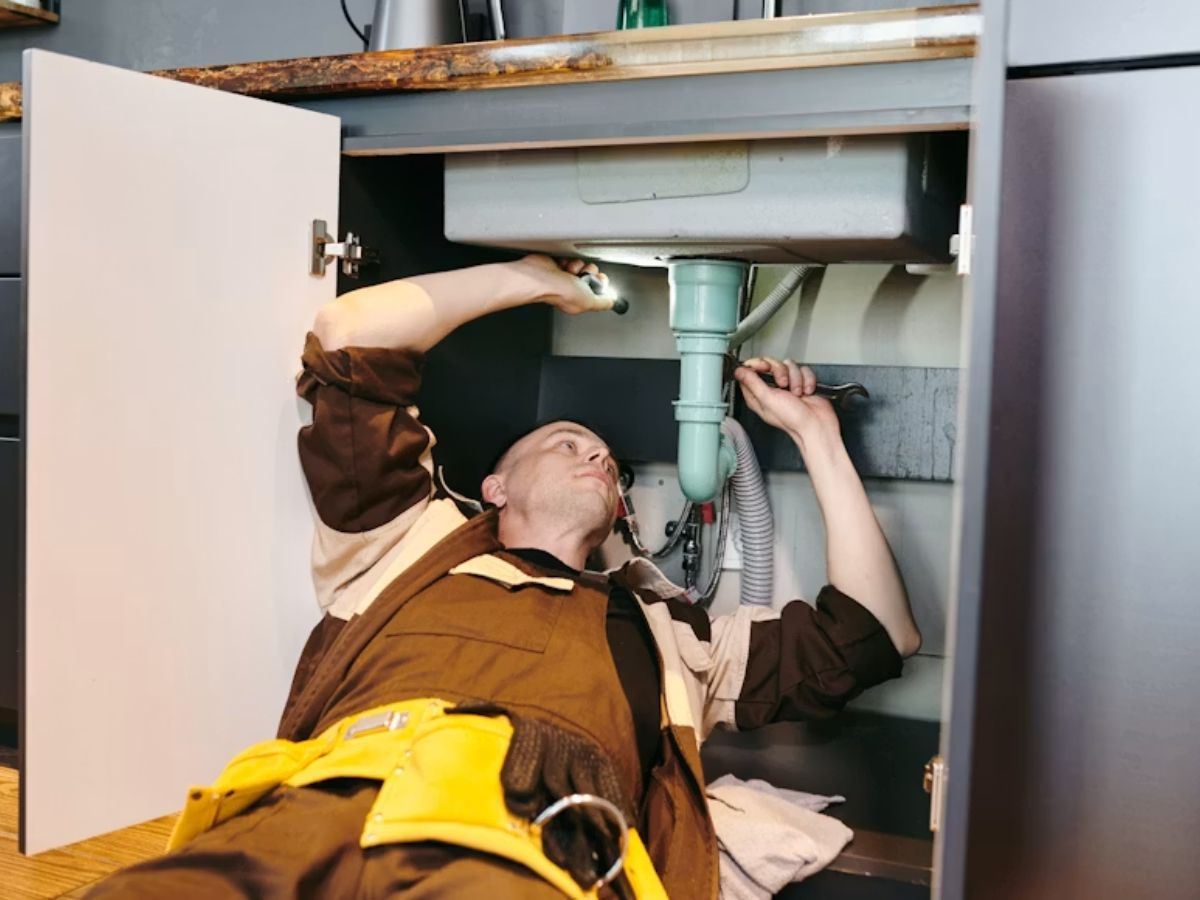
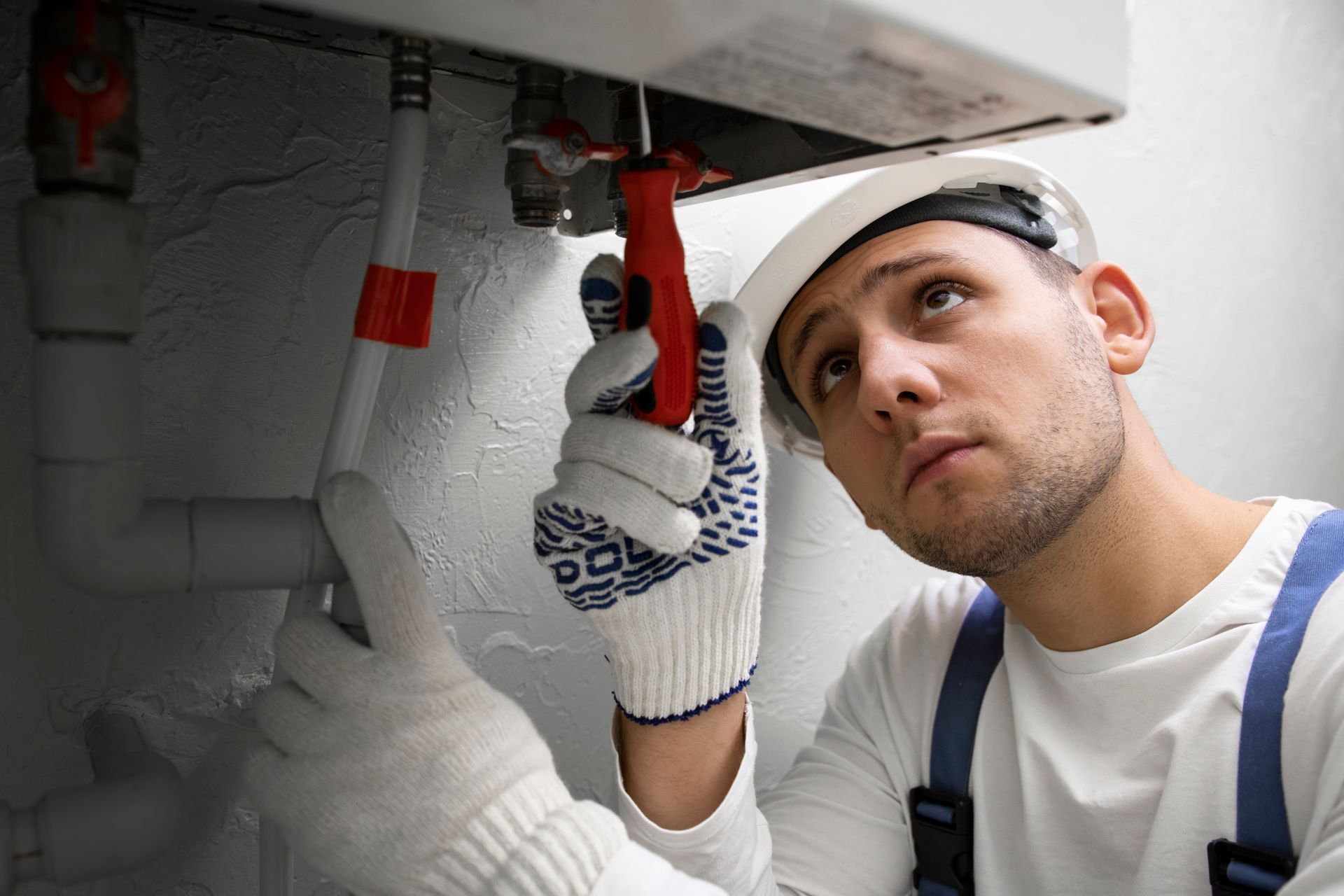
Regular maintenance and inspections are the backbone of a healthy plumbing system in commercial buildings. Routine checks can spot small issues before they become big problems. Start by scheduling regular inspections with a professional plumber. This can help identify leaks, blockages, or worn-out parts that need fixing.
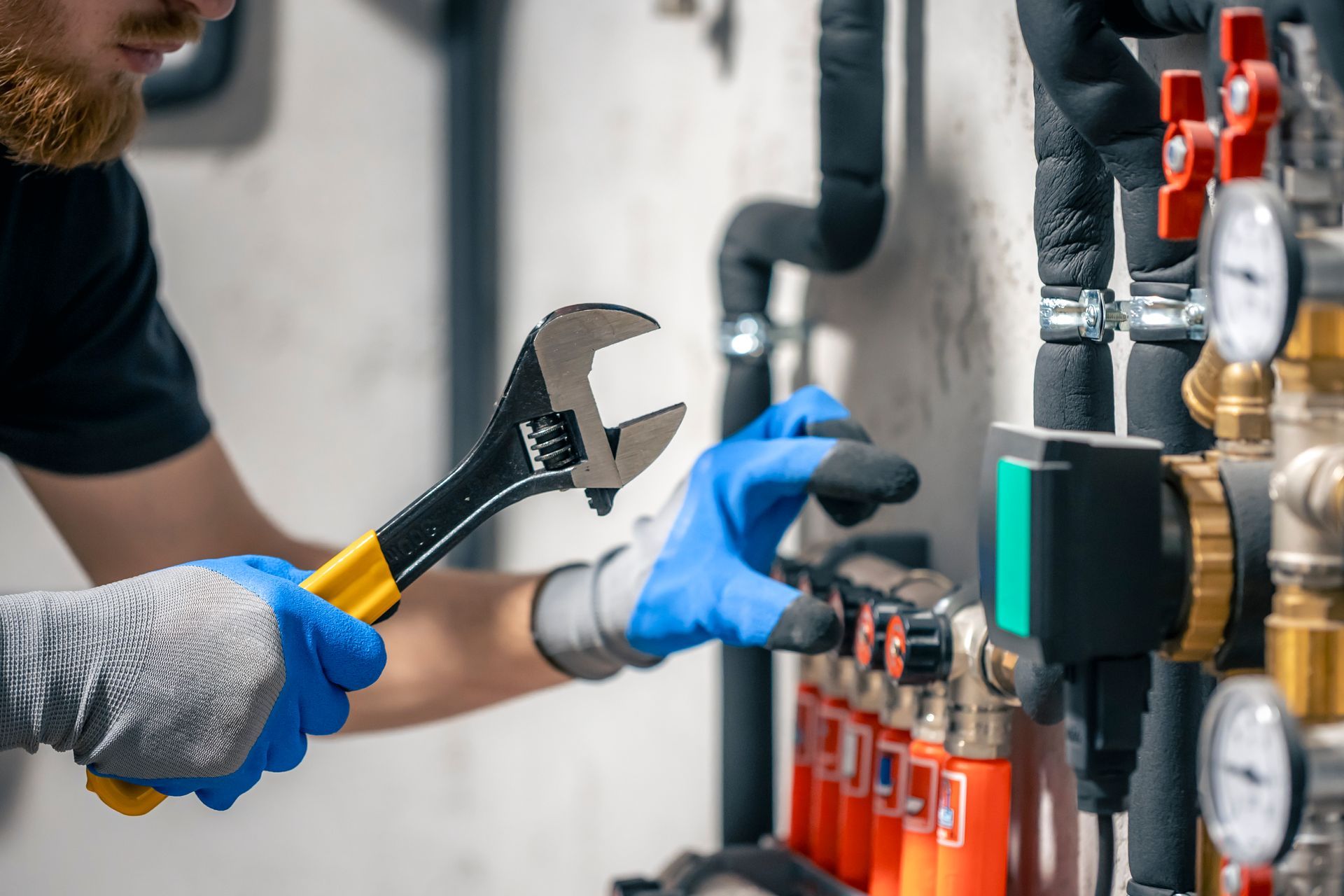
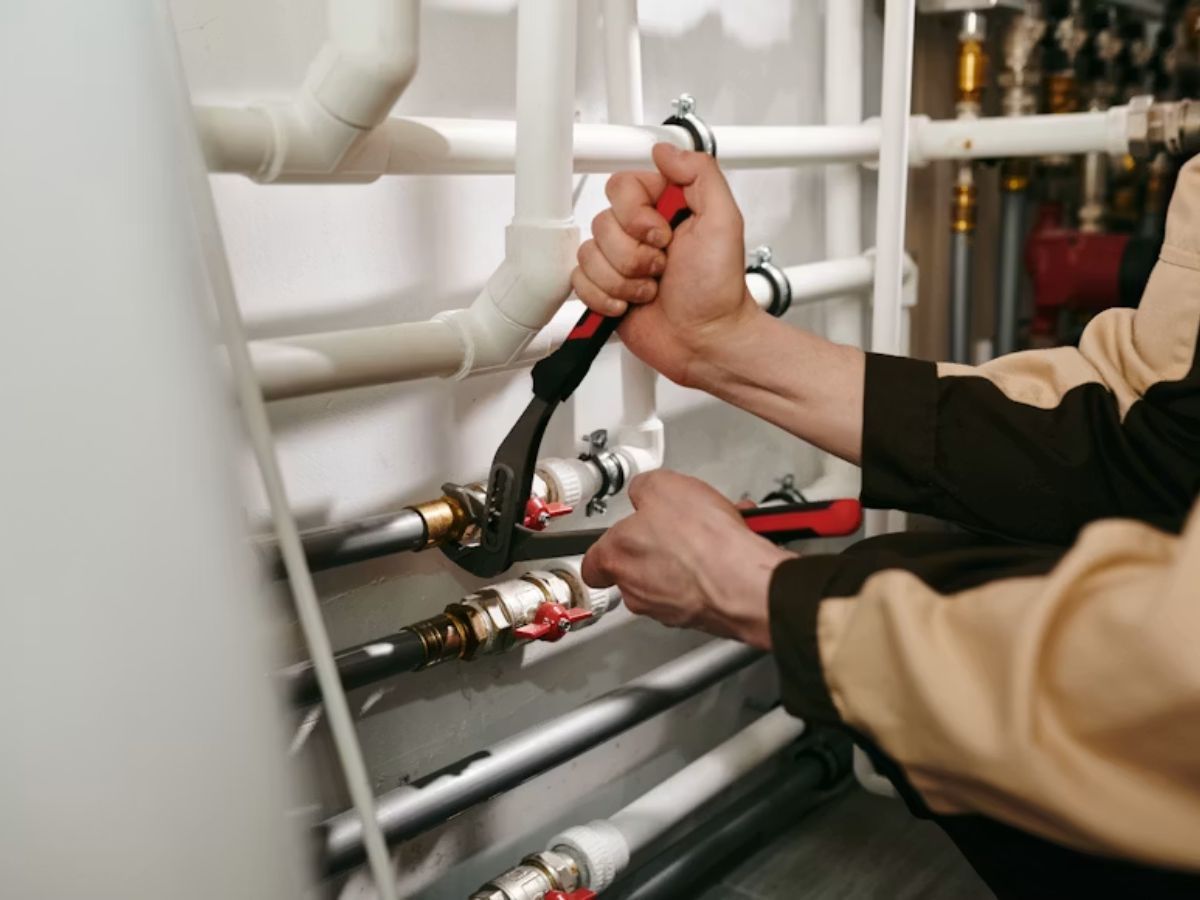
During these inspections, it's important to check all the major components of your plumbing system. Look at pipes, valves, water heaters, and any water-using appliances like dishwashers or washing machines. Catching a small leak or repair need early can save you from expensive damage or disruptions later on.
Another key aspect is keeping the drains clean. Over time, drains can get clogged with debris, grease, and other materials. Regularly cleaning the drains helps ensure water flows smoothly and prevents backups. You can use drain covers to catch debris and periodically pour hot water down the drains to clear minor blockages.
By carrying out regular maintenance and inspections, you can keep your plumbing system running efficiently and extend its lifespan. It’s a small investment of time and effort that pays off in the long run.
Efficient Water Use Strategies
Reducing water use in commercial buildings helps save both water and money. One of the easiest ways to implement efficient water use is by installing low-flow fixtures. These include low-flow toilets, faucets, and showerheads that use less water without sacrificing performance.
Educating employees and building occupants about water conservation is also important. Simple actions like turning off the faucet while scrubbing hands or fixing small leaks quickly can make a big difference. Posting reminders in restrooms and kitchens can help keep water conservation on everyone’s mind.
Consider implementing a water management plan. This involves tracking your building’s water usage and identifying areas where you can cut back. Analyzing water bills and conducting regular water audits can help you monitor progress and adjust strategies as needed.
Lastly, think about using water-efficient landscaping practices. Irrigation systems should be properly maintained and calibrated to avoid overwatering. Choosing native or drought-resistant plants can also reduce the need for regular watering.
By adopting these water-saving strategies, you can reduce your building's environmental footprint and lower utility costs. Efficient water use is a win-win for both the building and the environment.
Addressing Common Plumbing Problems Quickly
In commercial buildings, even small plumbing issues can quickly escalate into major problems if not addressed promptly. For instance, a minor leak can lead to water damage, mold growth, and increased water bills. To prevent these scenarios, it's essential to address plumbing issues as soon as they arise.
Clogged drains are common in commercial settings due to heavy use. Regularly check for slow drains and clear minor clogs with a plunger or a drain snake. For more stubborn clogs, it may be necessary to call a professional plumber to use specialized equipment.
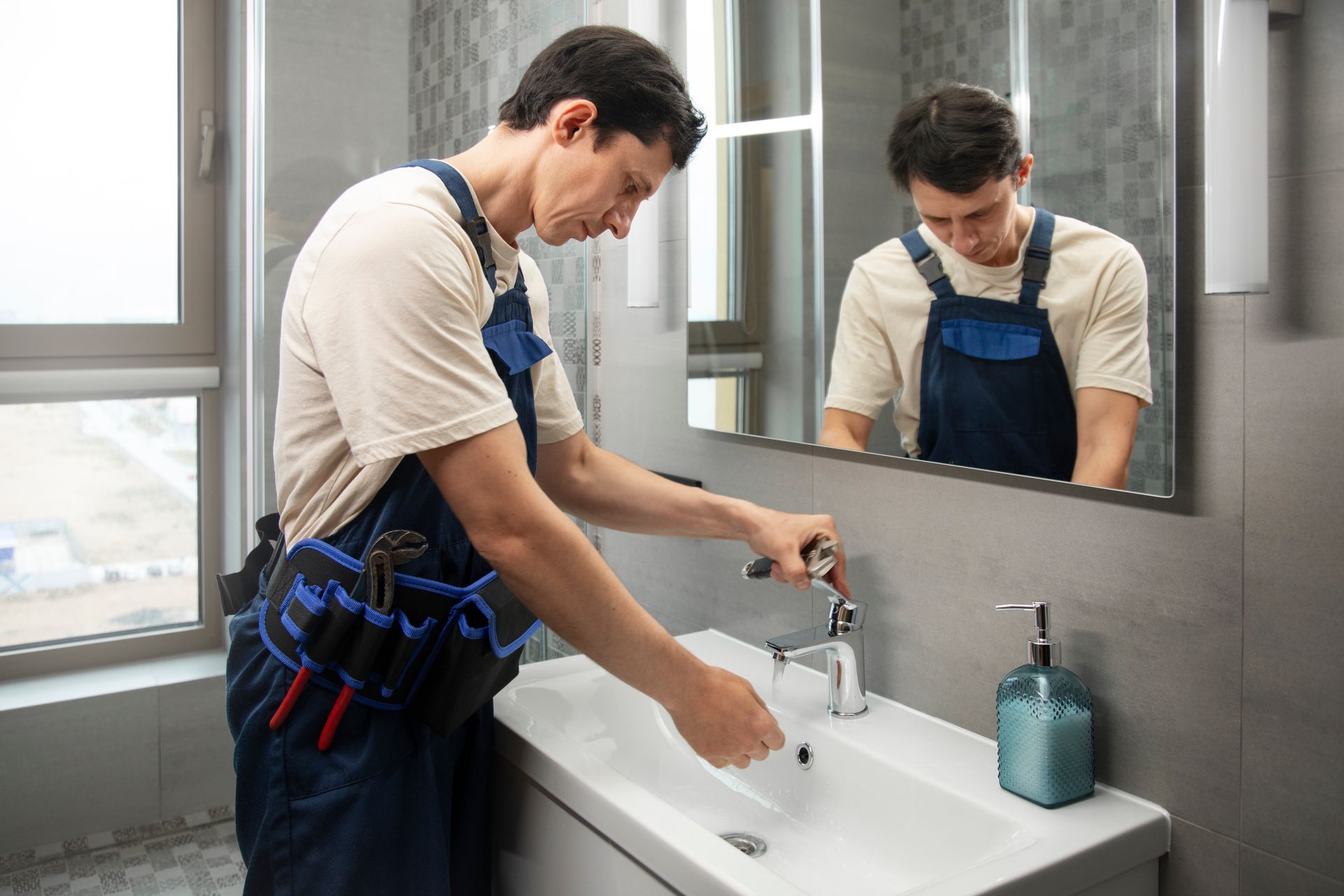
Leaking faucets and toilets are another frequent issue. Even a slow drip can waste a significant amount of water over time. Fixing leaks as soon as they are detected helps conserve water and reduces costs. If a faucet or toilet is beyond repair, consider replacing it with a more efficient model.
Implementing a system for reporting plumbing issues can also be helpful. Ensure that building occupants know how to report problems and that maintenance staff responds quickly. Keeping a log of reported issues can help identify recurring problems and plan for future upgrades or repairs.
Upgrading Plumbing Fixtures and Systems
Upgrading plumbing fixtures and systems is a smart investment for any commercial building. Modern fixtures are designed to be more efficient, reducing both water and energy usage. This can lead to significant cost savings over time.
Consider replacing old faucets, toilets, and showerheads with low-flow models. These fixtures use less water while still providing strong performance. For example, low-flow toilets use around 1.6 gallons per flush compared to older models that use up to 3.5 gallons.
Upgrading the building's plumbing system might also involve replacing outdated pipes. Materials like lead or galvanized steel can corrode over time, leading to leaks and water quality issues. Modern materials like copper or PEX piping are more durable and provide better water quality.
Installing energy-efficient water heaters is another effective upgrade. Tankless water heaters, for example, heat water on demand and reduce energy consumption compared to traditional tank heaters. Additionally, regular maintenance of new systems ensures they remain efficient and prolongs their lifespan.
By upgrading plumbing fixtures and systems, you improve efficiency and reliability. These upgrades not only contribute to a more sustainable building but also enhance comfort for all occupants.
Conclusion
Maintaining an efficient and reliable plumbing system in commercial buildings involves several key steps. Regular maintenance and inspections help catch small issues before they become major problems. Efficient water use strategies, such as installing low-flow fixtures and educating occupants, can significantly reduce water consumption and costs. Addressing common plumbing problems quickly ensures that small issues do not escalate, causing costly repairs and disruptions.
Upgrading plumbing fixtures and systems further enhances the overall efficiency and reliability of the building's plumbing. Newer, more efficient fixtures and materials can lead to substantial water and energy savings, making them a wise investment.
To keep your commercial plumbing in top shape, it’s crucial to stay proactive and address any issues promptly. For expert help with maintenance, upgrades, or any plumbing problem, contact Apollo Sewer & Plumbing. Our
commercial plumbing contractors are ready to assist with all your commercial plumbing needs. Call us today to schedule a service and ensure your plumbing system remains in excellent condition!
Author Bio
Apollo Sewer & Plumbing, Inc. is a trusted full-service plumbing, sewer, and septic company in Keyport, NJ, serving residential and commercial customers throughout Central New Jersey. With over 50 years of experience, the company provides plumbing repairs, septic installation and repair, sewer and drain cleaning, hydro jetting, excavation, water heater services, and 24/7 emergency plumbing. Contact Apollo Sewer & Plumbing today for dependable service and a free quote.