Emergency Plumbing Preparedness Plan Guide from Apollo Sewer & Plumbing

Tom Sawyer • November 1, 2023

Plumbing emergencies can be both costly and stressful. Being prepared with a proactive and practical plan can help minimize the damage and reduce the impact of unforeseen plumbing crises. In this article, we'll provide you with a step-by-step guide to creating an emergency plumbing preparedness plan for your Keyport, NJ home. From identifying potential risks to having a trusted plumbing partner like Apollo Sewer & Plumbing, our tips will ensure that you're well-equipped to handle any plumbing issue that comes your way. With expert advice and insightful recommendations, you can have peace of mind knowing that you're ready to take swift action in the event of a plumbing emergency and protect your home from potential damage. Don't let an unexpected plumbing issue catch you off guard - read on and be prepared!


1. Identify Potential Plumbing Risks in Your Home


The first step in creating an emergency plumbing preparedness plan is to identify the potential risks and vulnerabilities in your home's plumbing system. Start by inspecting the following areas:


  • Visually inspect pipes for signs of corrosion, leaks, or damage.
  • Check flexible hoses and connectors for wear or brittleness.
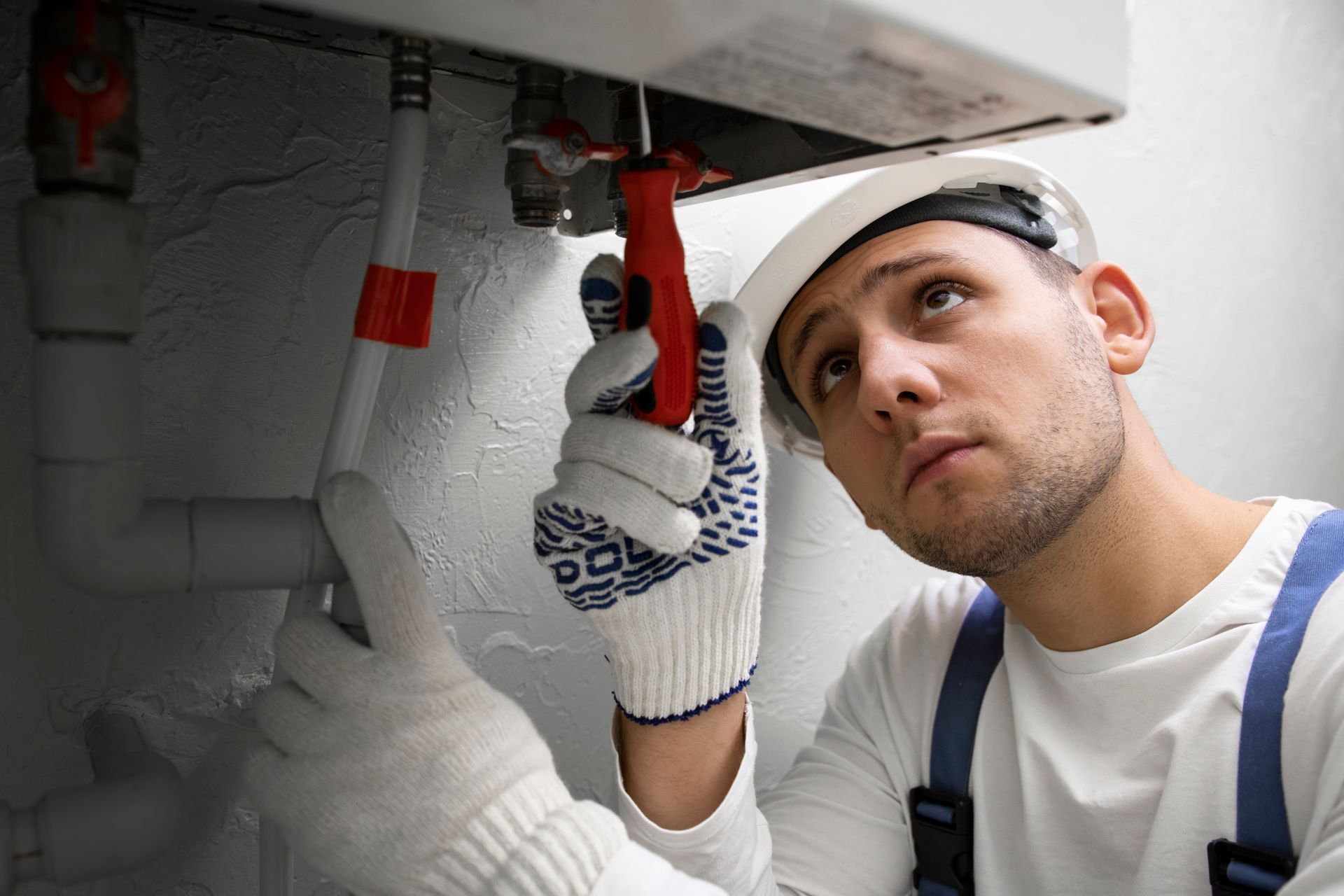
  • Inspect the water heater for rust, corrosion, or leaks.
  • Evaluate the age and condition of your home's sewer line and sump pump.
  • Review your home's layout and note the location of all shutoff valves and drain pipes.


By gaining a better understanding of your home's plumbing infrastructure, you can be more proactive in addressing potential issues before they escalate into emergencies.


2. Create a Home Plumbing Map


Developing a home plumbing map is an essential tool for quickly locating and addressing problems during an emergency. This map should include the following information:


  • Locations of all main and individual shutoff valves for the water supply, including the main water line, water heater, and appliance connections.
  • Sewer line access points and cleanouts to facilitate quick and efficient cleaning or repair.
  • Sump pump and any backup systems, if applicable.
  • Locations of outdoor water spigots and irrigation system valves.


Keep this map in an easily accessible place, and ensure that all household members are aware of its existence and how to use it.


3. Familiarize Yourself with Your Home's Shutoff Valves


Knowing how to shut off the water in your home is crucial to preventing or minimizing damage in the event of a plumbing emergency. Ensure you and all family members are familiar with the following shut-off valves:


  • Main water shutoff valve: Typically located near the property line or inside your home near the water meter, this valve controls the main water supply to your home. Learn how to shut it off in case of emergencies where water supply needs to be stopped completely.
  • Individual shutoff valves: These valves are usually located near the specific plumbing fixture or appliance (sinks, toilets, water heaters, washing machines, etc.). Learn how to shut off individual valves to stop the water supply to a specific area if needed.


4. Assemble an Emergency Plumbing Toolkit


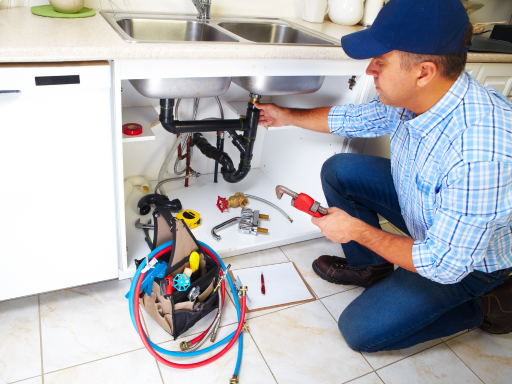
Having basic plumbing tools on hand can help you address minor issues or contain a plumbing emergency until a professional arrives. Assemble an emergency plumbing toolkit with the following items:


  • Plunger: Choose a high-quality plunger with a strong suction cup for unclogging toilets, sinks, and drains.
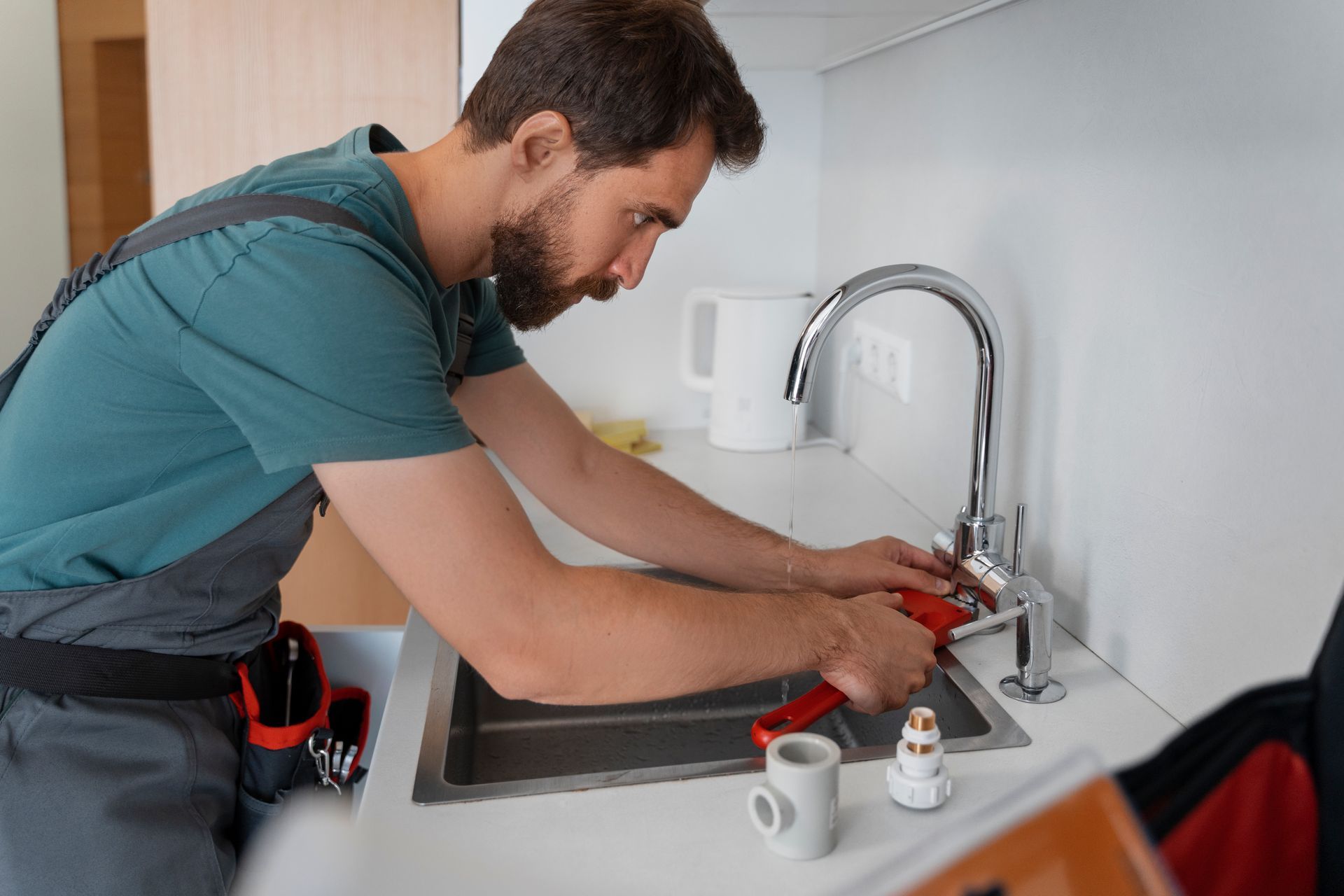
  • Pipe wrench: Invest in a pair of adjustable pipe wrenches for tightening or loosening pipe connections and fittings.
  • Plumber's tape: Also known as Teflon tape, this tape can be used to seal pipe threads temporarily and help prevent leaks.
  • Adjustable wrench: A versatile tool for tightening or loosening nuts, bolts, and other connections.
  • Toolbox: Store all your plumbing tools in a single, easy-to-access location to save time during an emergency.


5. Develop an Emergency Contact List


In the event of a plumbing emergency, time is of the essence. Having an emergency contact list on hand will help you quickly reach out to the right people for assistance. Your list should include:


  • Emergency plumber: Contact information for a trusted local plumber, like Apollo Sewer & Plumbing, who offers emergency service 24/7.
  • Insurance agent: Your homeowner's insurance agent's contact information to report any claims promptly.
  • Local utility companies: Contact information for your water, gas, and electric utility providers in case of emergencies involving services or billing issues.


Keep this list in an easily accessible location and make sure all family members know where to find it.


6. Stay Informed and Educated


Knowledge is power, and staying informed about basic plumbing maintenance and common issues can help you identify potential problems early and take preventative measures. Seek advice from professional plumbers, like those at Apollo Sewer & Plumbing, and educate yourself using credible online resources, or attend local workshops or seminars on home maintenance.


7. Establish a Regular Maintenance Routine


Regular plumbing maintenance can help you identify and fix potential issues before they escalate into emergencies. Establish and adhere to a maintenance routine that includes the following tasks:


  • Periodical inspection of pipes, fixtures, and appliances for leaks, corrosion, or wear.
  • Regularly checking and cleaning gutters, downspouts, and drain systems to prevent clogs and water damage.
  • Annual inspection of your water heater, including draining and flushing the tank to remove sediment build-up.
  • Scheduling routine sewer line inspections and cleanings with a professional plumber.


Following these steps and creating a comprehensive emergency plumbing preparedness plan will help you minimize the impact of any unforeseen plumbing crisis. With the knowledge and tools in hand, you'll be ready to take quick action and protect your home when faced with a plumbing emergency.


Trust Apollo Sewer & Plumbing for Your Emergency Preparedness Needs


A well-organized emergency plumbing preparedness plan is essential for protecting your home from unexpected plumbing crises. By identifying potential risks, staying informed on maintenance practices, and having a reliable emergency contact like Apollo Sewer & Plumbing, you can confidently tackle any plumbing issue that arises. Remember that regular upkeep and timely repairs can help prevent significant damages and expensive repairs in the future. Ensure the safety and well-being of your family and property by enlisting the expert services of Apollo Sewer & Plumbing in Keyport, NJ. Schedule a consultation today, and let our skilled professionals guide you through every step of building and maintaining your
emergency plumbing preparedness plan. Don't wait for a plumbing emergency to strike - take action now and enjoy peace of mind!

By Jay Caddle April 27, 2026
Septic systems don’t just fail out of nowhere. They usually warn you first, just in small ways that are easy to brush off. That is where septic tank repair services come in. What feels like a minor slow drain or a weird smell is often the start of a bigger issue building under the surface. In this blog, we will go through the real warning signs so you know what to look for before things turn into a costly mess. 1. Slow drains all over the house One slow sink is normal. But when your kitchen, shower, and toilet all start draining slow at the same time, that is not random. It usually means the septic tank is getting full or struggling to process waste. This is when people start looking for septic tank pumping services nearby, because the system is no longer keeping up. Ignore it, and you are basically waiting for a backup. 2. Bad smells that do not go away A small odor near a drain can sometimes happen. That is not always a big deal. But when that sewage smell starts showing up in your yard, bathroom, or basement, and it does not go away, something is wrong. It usually means waste gases are building up or the system is not breaking things down properly. At that point, you are past the “wait and see” stage and likely need septic tank cleaning services before it turns into something worse. 3. Standing water around the drain field Seeing wet patches or pooling water near your drain field is never normal. It is one of those signs people often ignore until it gets worse. A healthy system should drain underground cleanly. When the ground stays soggy or starts smelling, it usually means overload or failure, and that is when septic tank repair services are needed. 4. Gurgling sounds in pipes Hearing strange gurgling noises when you flush the toilet or run water is not normal. It often means air is trapped in the plumbing system because wastewater is not flowing correctly through the septic tank. People ignore this one more than they should, but it is usually an early warning sign that things are backing up. If caught early, a quick service call can prevent a full backup into the house. 5. Sewage backup in sinks or toilets This is the point nobody wants to reach. When sewage starts coming back through drains or toilets, the system is already overwhelmed. It is no longer a warning sign; it is an emergency. At this stage, most homeowners need help from local septic contractors in Old Bridge, NJ, right away to avoid damage and health risks. 6. Lush, unusually green grass over the septic area It can look like a good thing at first, but overly green grass over your septic area is not normal. It usually means wastewater is leaking into the soil and feeding the grass. That sounds harmless, but it actually means your system is failing underground and needs attention before it spreads. 7. It has been years since your last pump Even if everything seems fine, septic systems still need regular pumping to stay healthy. If it has been years since service, you are taking a risk. Solids build up quietly and cause overload, which is why scheduling septic tank pumping services nearby is not optional; it is prevention. Why acting early actually saves you money  Most septic issues do not start as emergencies. They start small. Slow drains. Weird smells. Minor yard changes. The problem is that people wait. By the time the system fully backs up, the cost of repairs jumps fast. That is why maintenance services exist in the first place. Things like septic tank cleaning services and routine inspections are not just optional upkeep. They are what keep the system from failing early. In areas like Old Bridge, having reliable help matters. Weather, soil conditions, and system age all play a role in how fast things break down. That is why working with affordable septic services in Old Bridge makes a real difference. You are not just paying for a fix. You are preventing a bigger one. Getting the right help before it turns into an emergency Septic issues don’t usually explode overnight. They creep in. A slow drain here, a weird smell there, and most people brush it off until it becomes a real problem. If you are noticing signs, here is what actually matters: Don’t wait, it only gets worse Get it checked early, before it turns into a backup Stop guessing, septic systems are not DIY territory Handle small issues now, not after damage shows up Bring in people who deal with this stuff every day Apollo Sewer & Plumbing handles everything from inspections to full septic tank repair services, especially the jobs that have already gone past “minor issue” territory. They are also one of the local septic contractors in Old Bridge, NJ people call when things turn urgent. Simple rule. If something feels off, it probably is. Fix it early and save yourself the headache later. Final thought Septic systems do not usually fail without warning. They give small signs first, and most of the time people notice them but push them aside. The real issue is not the problem itself, it is the delay. What starts as slow drains or a faint smell can quickly turn into something messy and expensive if it is ignored too long. Apollo Sewer & Plumbing helps homeowners catch these issues early with proper inspections, repairs, and maintenance before things get out of hand. [ Call Now for Septic Help ] FAQ How often should a septic tank be pumped? There is no one fixed rule, but most homes last somewhere around every 3 to 5 years. Bigger households usually need it sooner. If you are waiting until something smells or backs up, you are already late. That is why septic tank pumping services nearby are more about prevention than repair. What are the first signs that something is wrong with a septic system? It usually starts small. Drains are slowing down, toilets are acting weird, or a faint smell that comes and goes. Nothing dramatic at first. But when it starts happening in more than one place, it is your system telling you it is struggling and needs septic tank repair services. Is a bad smell from the yard or drains serious? Yes, more than people think. That smell is not normal air escaping. It usually means waste gases are not being handled properly or something is backing up underground. It might start light, but it does not stay that way. That is when septic tank cleaning services are needed before it spreads. What is the risk of ignoring septic issues? It never just stays the same. It gets worse. What starts as slow drains can turn into full sewage backup inside the house or a soggy yard that will not dry. Fixing it early is simple. Waiting turns it into a major repair. That is why regular service matters more than people realize.
septic tank
December 15, 2024
Learn how to maintain a healthy septic system at home with simple daily habits, identifying signs of trouble, and knowing when to call professionals.
commercial plumbing
December 15, 2024
Learn essential tips for maintaining commercial plumbing. Ensure your business runs smoothly with regular maintenance, common issue identification, and more.
plumbing system
December 8, 2024
Discover key plumbing tips for commercial buildings. Learn how to maintain systems, save water, tackle issues, and upgrade fixtures for efficiency.
sewer problem
December 8, 2024
Learn how to identify sewer problems early with these simple signs. Avoid big issues by spotting unpleasant odors, slow drains, and more.
Residential Excavation
December 2, 2024
Get tips on clearing obstacles, marking utility lines, managing noise, and planning debris removal for a successful residential excavation. Continue reading!
Septic System
December 2, 2024
In this blog, we learn to spot septic system issues early. Discover simple checks, common problems, and when to call a professional for help. Continue reading!
sewer inspection
November 24, 2024
Learn the key signs that indicate it's time to schedule a sewer inspection to prevent costly damage and maintain a healthy home. Read on!
 home septic system
November 24, 2024
Learn simple tips to maintain your home's septic system. Keep it working efficiently with easy daily habits and know when to call in the pros.
sewer service
November 18, 2024
Learn when to schedule a sewer inspection for your property. Discover signs, benefits, timing, and what to expect during the process.