Eco-Friendly Plumbing Solutions: Tips to Reduce Your Carbon Footprint

Tom Sawyer • May 5, 2024
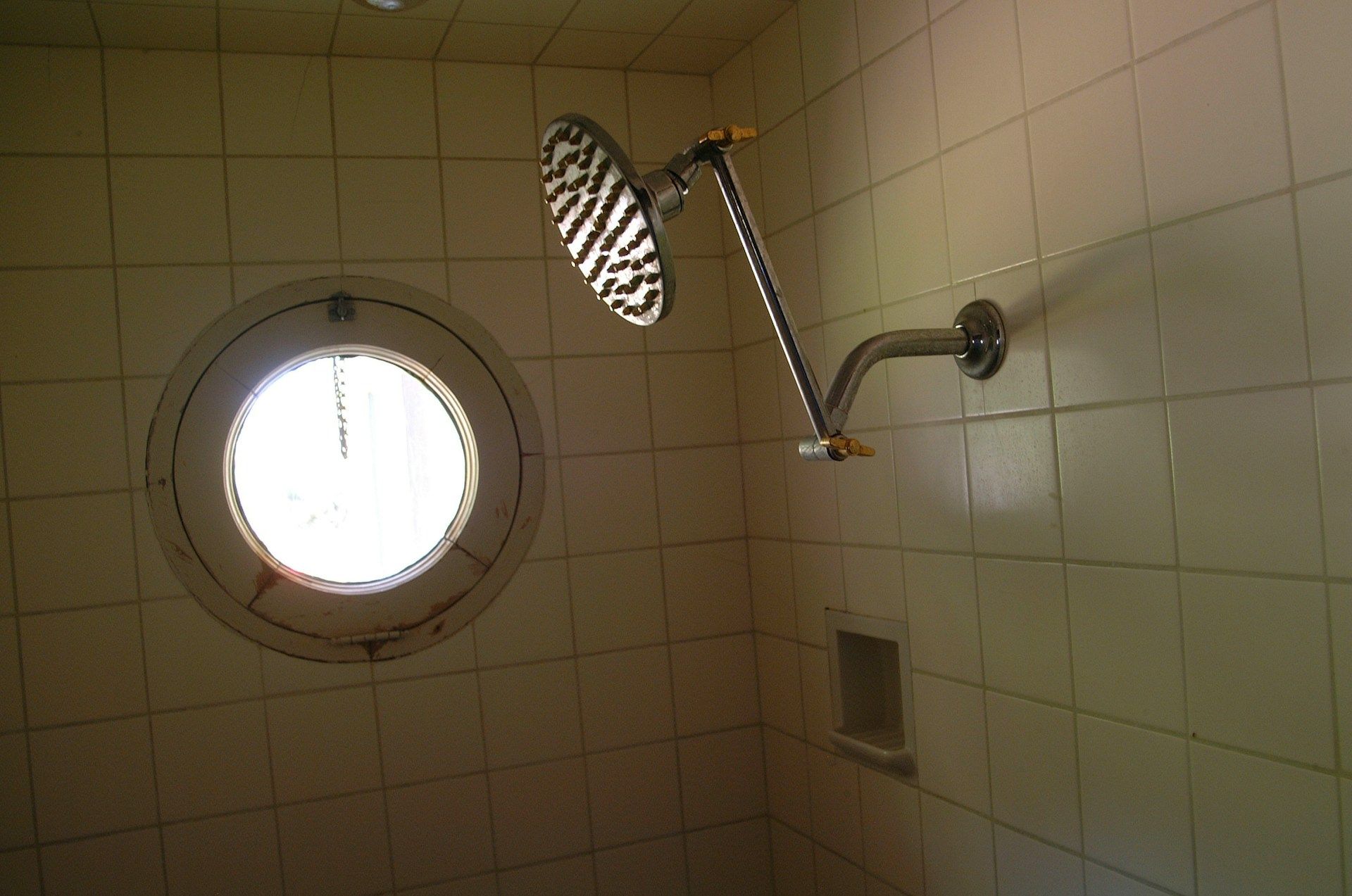
showerhead

As the effects of climate change continue to impact our world, environmentally conscious homeowners are increasingly seeking ways to reduce their ecological footprint and contribute to a more sustainable future. This includes taking a closer look at their plumbing system, where opportunities for increased efficiency and eco-friendliness abound. By implementing green plumbing practices, not only do you reduce the environmental impact of your home, but you may also experience significant cost savings through lower utility bills and reduced water usage.


In this informative blog post, we will explore eco-friendly plumbing solutions to help you minimize water waste and reduce your home's carbon footprint. We'll provide recommendations for energy-efficient fixtures, water-saving habits, and periodic maintenance checks that can optimize your plumbing system's performance without sacrificing comfort or convenience. By embracing these green practices, you can enjoy an efficient and effective plumbing system that aligns with your commitment to environmental stewardship.


Eco-Friendly Plumbing Solutions: Tips to Reduce Your Carbon Footprint

Energy-Efficient Plumbing Fixtures


One of the most effective ways to reduce your home's environmental impact is to upgrade your plumbing fixtures with more energy-efficient options. Consider implementing the following eco-friendly fixtures in your home:


1. Low-flow toilets: These toilets use less water per flush than traditional models, significantly reducing water consumption. Dual-flush toilets offer additional water-saving benefits with separate flush options for liquid and solid waste.

2. Low-flow showerheads: An eco-friendly showerhead can use up to 50% less water than a standard showerhead without compromising water pressure or performance.

3. Faucet aerators: These simple devices attach to your existing faucets and mix air with water, maintaining the pressure while using less water.

4. Tankless water heaters: By heating water only as it is needed, tankless water heaters can save energy while providing a continuous supply of hot water. These heaters also tend to have a longer lifespan than traditional tank water heaters.


Water-Saving Habits


Adopting water-saving habits is another critical aspect of reducing your ecological footprint. Here are some tips to help you conserve water and maintain an environmentally friendly home:


1. Fix leaks promptly: A dripping faucet or leaky pipe wastes water and can lead to higher water bills. Regularly inspect your plumbing system for signs of leaks and address them immediately.

2. Use water-efficient appliances: Invest in appliances with Energy Star ratings, indicating a higher level of water and energy efficiency.

3. Install a rainwater harvesting system: Collect rainwater in barrels or cisterns to use for watering plants, washing cars, or other outdoor cleaning tasks.

4. Limit shower time: Shortening your shower by even a few minutes can help save gallons of water daily.


Periodic Maintenance Checks


Regular maintenance and inspections of your plumbing system can help detect and fix problematic issues before they escalate, saving both water and money in the long run. Conduct the following periodic checks:


1. Inspect exposed pipes: Check your household's exposed pipes for signs of leaks, corrosion, or damage that could lead to water waste.

2. Monitor water pressure: High water pressure can cause added strain on your plumbing and lead to leaks. Use a water pressure gauge to regularly check the pressure and adjust as needed.

3. Flush your water heater: Sediment buildup can reduce your water heater's efficiency, leading to higher energy consumption. Flush the system at least once a year to maintain optimal performance.

4. Schedule a plumbing inspection: Have a professional plumber inspect your entire system, including pipes, fixtures, and appliances, to ensure everything is working efficiently and eco-friendly.


Leak Detection Technology


Investing in leak detection technology is another way to conserve water and minimize environmental impact. Some popular devices and systems for detecting leaks include:


1. Electronic leak detectors: These devices emit a sound or signal when they detect water in areas where it shouldn't be. Place them near potential leak sources, such as under sinks or by water heaters.

2. Smart water meters: These devices monitor water usage in real time, alerting you to potential leaks or inefficiencies in your plumbing system.

3. Sensor-based devices: Water sensors can be placed throughout your home to monitor water usage and send alerts when an abnormal spike in usage occurs.


Apollo Sewer & Plumbing Can Help You Go Green


Embracing eco-friendly plumbing solutions can significantly reduce your home's environmental impact while saving you money on water and utility bills. The experts at Apollo Sewer & Plumbing are here to help you evaluate and implement green plumbing upgrades, ensuring your system operates efficiently and sustainably. 


Contact us today to discuss how we can assist you with environmentally friendly plumbing repair services tailored to your specific needs and preferences. Together, we can contribute to a greener future for our planet.

By Jay Caddle April 27, 2026
Septic systems don’t just fail out of nowhere. They usually warn you first, just in small ways that are easy to brush off. That is where septic tank repair services come in. What feels like a minor slow drain or a weird smell is often the start of a bigger issue building under the surface. In this blog, we will go through the real warning signs so you know what to look for before things turn into a costly mess. 1. Slow drains all over the house One slow sink is normal. But when your kitchen, shower, and toilet all start draining slow at the same time, that is not random. It usually means the septic tank is getting full or struggling to process waste. This is when people start looking for septic tank pumping services nearby, because the system is no longer keeping up. Ignore it, and you are basically waiting for a backup. 2. Bad smells that do not go away A small odor near a drain can sometimes happen. That is not always a big deal. But when that sewage smell starts showing up in your yard, bathroom, or basement, and it does not go away, something is wrong. It usually means waste gases are building up or the system is not breaking things down properly. At that point, you are past the “wait and see” stage and likely need septic tank cleaning services before it turns into something worse. 3. Standing water around the drain field Seeing wet patches or pooling water near your drain field is never normal. It is one of those signs people often ignore until it gets worse. A healthy system should drain underground cleanly. When the ground stays soggy or starts smelling, it usually means overload or failure, and that is when septic tank repair services are needed. 4. Gurgling sounds in pipes Hearing strange gurgling noises when you flush the toilet or run water is not normal. It often means air is trapped in the plumbing system because wastewater is not flowing correctly through the septic tank. People ignore this one more than they should, but it is usually an early warning sign that things are backing up. If caught early, a quick service call can prevent a full backup into the house. 5. Sewage backup in sinks or toilets This is the point nobody wants to reach. When sewage starts coming back through drains or toilets, the system is already overwhelmed. It is no longer a warning sign; it is an emergency. At this stage, most homeowners need help from local septic contractors in Old Bridge, NJ, right away to avoid damage and health risks. 6. Lush, unusually green grass over the septic area It can look like a good thing at first, but overly green grass over your septic area is not normal. It usually means wastewater is leaking into the soil and feeding the grass. That sounds harmless, but it actually means your system is failing underground and needs attention before it spreads. 7. It has been years since your last pump Even if everything seems fine, septic systems still need regular pumping to stay healthy. If it has been years since service, you are taking a risk. Solids build up quietly and cause overload, which is why scheduling septic tank pumping services nearby is not optional; it is prevention. Why acting early actually saves you money  Most septic issues do not start as emergencies. They start small. Slow drains. Weird smells. Minor yard changes. The problem is that people wait. By the time the system fully backs up, the cost of repairs jumps fast. That is why maintenance services exist in the first place. Things like septic tank cleaning services and routine inspections are not just optional upkeep. They are what keep the system from failing early. In areas like Old Bridge, having reliable help matters. Weather, soil conditions, and system age all play a role in how fast things break down. That is why working with affordable septic services in Old Bridge makes a real difference. You are not just paying for a fix. You are preventing a bigger one. Getting the right help before it turns into an emergency Septic issues don’t usually explode overnight. They creep in. A slow drain here, a weird smell there, and most people brush it off until it becomes a real problem. If you are noticing signs, here is what actually matters: Don’t wait, it only gets worse Get it checked early, before it turns into a backup Stop guessing, septic systems are not DIY territory Handle small issues now, not after damage shows up Bring in people who deal with this stuff every day Apollo Sewer & Plumbing handles everything from inspections to full septic tank repair services, especially the jobs that have already gone past “minor issue” territory. They are also one of the local septic contractors in Old Bridge, NJ people call when things turn urgent. Simple rule. If something feels off, it probably is. Fix it early and save yourself the headache later. Final thought Septic systems do not usually fail without warning. They give small signs first, and most of the time people notice them but push them aside. The real issue is not the problem itself, it is the delay. What starts as slow drains or a faint smell can quickly turn into something messy and expensive if it is ignored too long. Apollo Sewer & Plumbing helps homeowners catch these issues early with proper inspections, repairs, and maintenance before things get out of hand. [ Call Now for Septic Help ] FAQ How often should a septic tank be pumped? There is no one fixed rule, but most homes last somewhere around every 3 to 5 years. Bigger households usually need it sooner. If you are waiting until something smells or backs up, you are already late. That is why septic tank pumping services nearby are more about prevention than repair. What are the first signs that something is wrong with a septic system? It usually starts small. Drains are slowing down, toilets are acting weird, or a faint smell that comes and goes. Nothing dramatic at first. But when it starts happening in more than one place, it is your system telling you it is struggling and needs septic tank repair services. Is a bad smell from the yard or drains serious? Yes, more than people think. That smell is not normal air escaping. It usually means waste gases are not being handled properly or something is backing up underground. It might start light, but it does not stay that way. That is when septic tank cleaning services are needed before it spreads. What is the risk of ignoring septic issues? It never just stays the same. It gets worse. What starts as slow drains can turn into full sewage backup inside the house or a soggy yard that will not dry. Fixing it early is simple. Waiting turns it into a major repair. That is why regular service matters more than people realize.
septic tank
December 15, 2024
Learn how to maintain a healthy septic system at home with simple daily habits, identifying signs of trouble, and knowing when to call professionals.
commercial plumbing
December 15, 2024
Learn essential tips for maintaining commercial plumbing. Ensure your business runs smoothly with regular maintenance, common issue identification, and more.
plumbing system
December 8, 2024
Discover key plumbing tips for commercial buildings. Learn how to maintain systems, save water, tackle issues, and upgrade fixtures for efficiency.
sewer problem
December 8, 2024
Learn how to identify sewer problems early with these simple signs. Avoid big issues by spotting unpleasant odors, slow drains, and more.
Residential Excavation
December 2, 2024
Get tips on clearing obstacles, marking utility lines, managing noise, and planning debris removal for a successful residential excavation. Continue reading!
Septic System
December 2, 2024
In this blog, we learn to spot septic system issues early. Discover simple checks, common problems, and when to call a professional for help. Continue reading!
sewer inspection
November 24, 2024
Learn the key signs that indicate it's time to schedule a sewer inspection to prevent costly damage and maintain a healthy home. Read on!
 home septic system
November 24, 2024
Learn simple tips to maintain your home's septic system. Keep it working efficiently with easy daily habits and know when to call in the pros.
sewer service
November 18, 2024
Learn when to schedule a sewer inspection for your property. Discover signs, benefits, timing, and what to expect during the process.