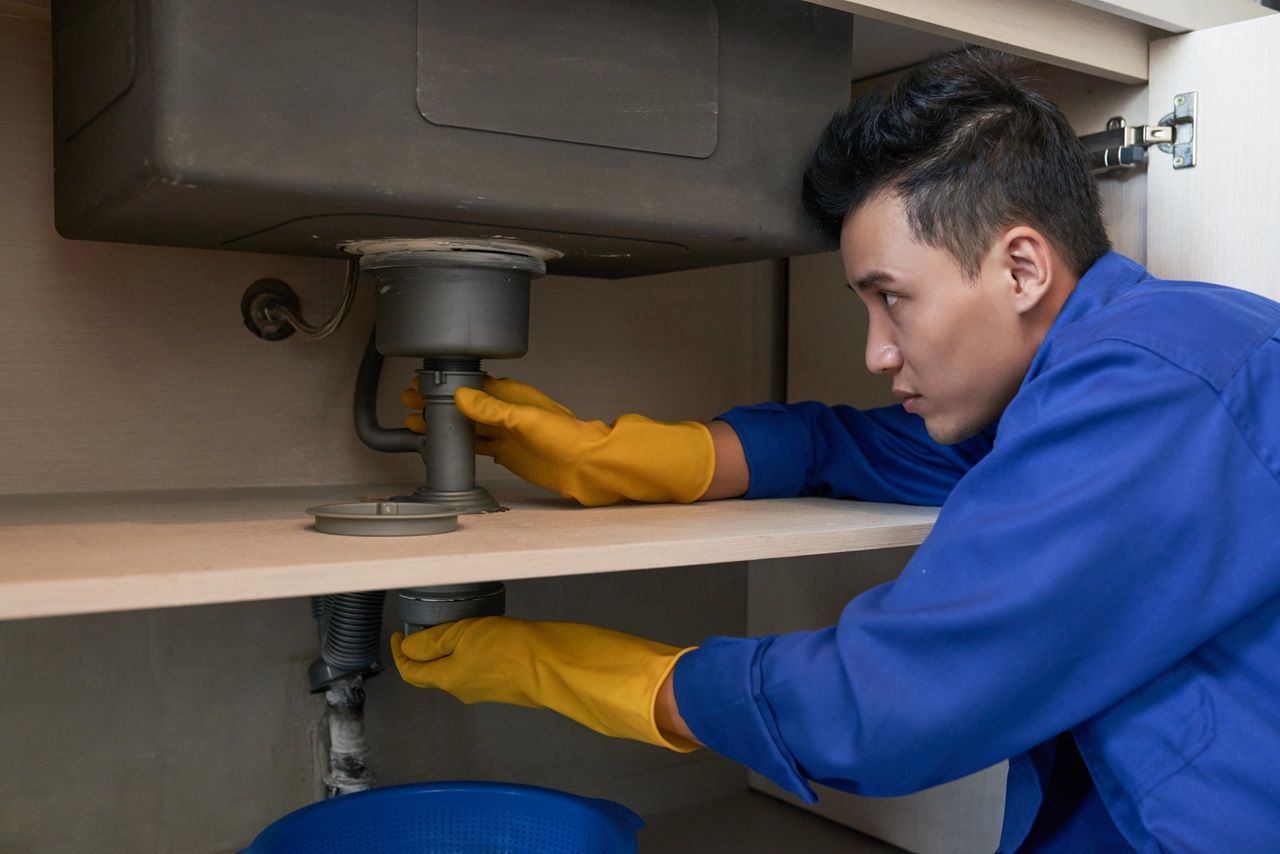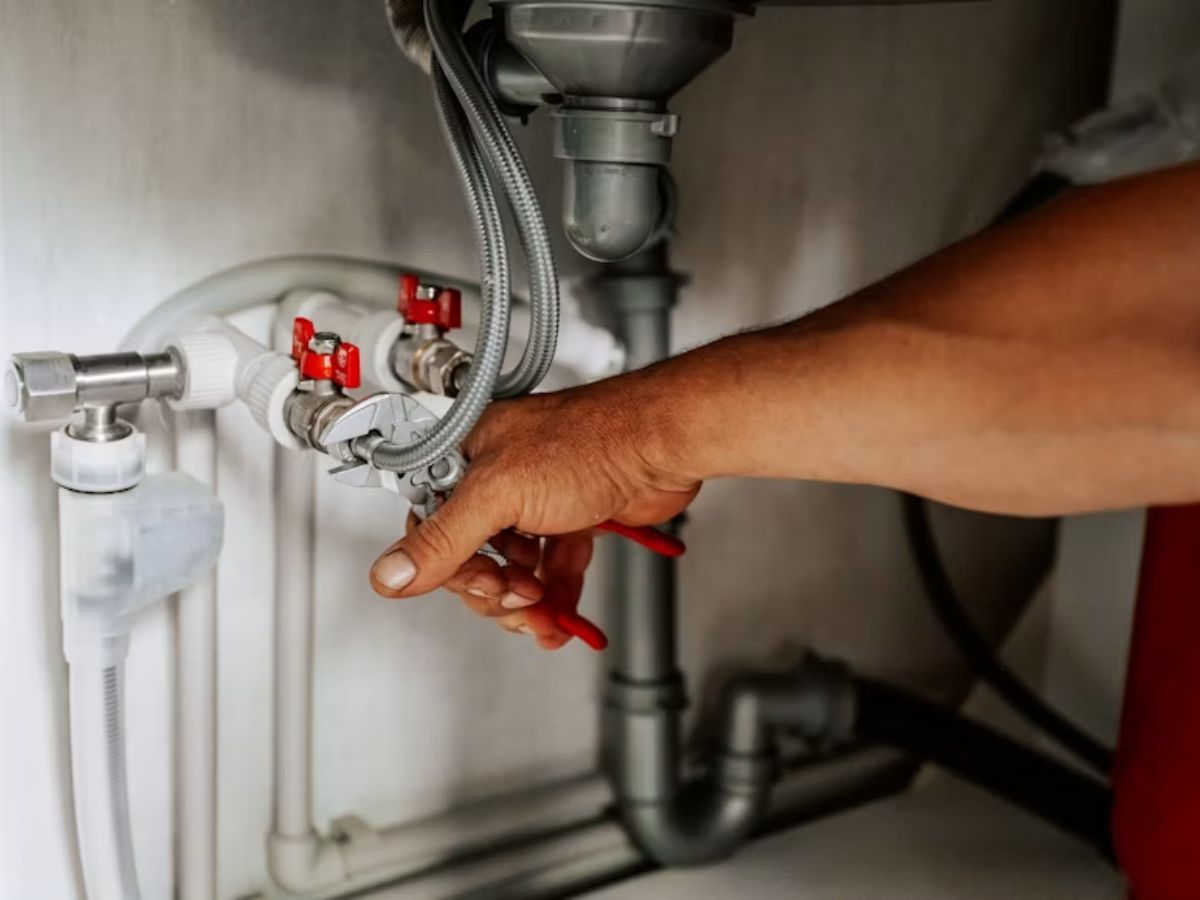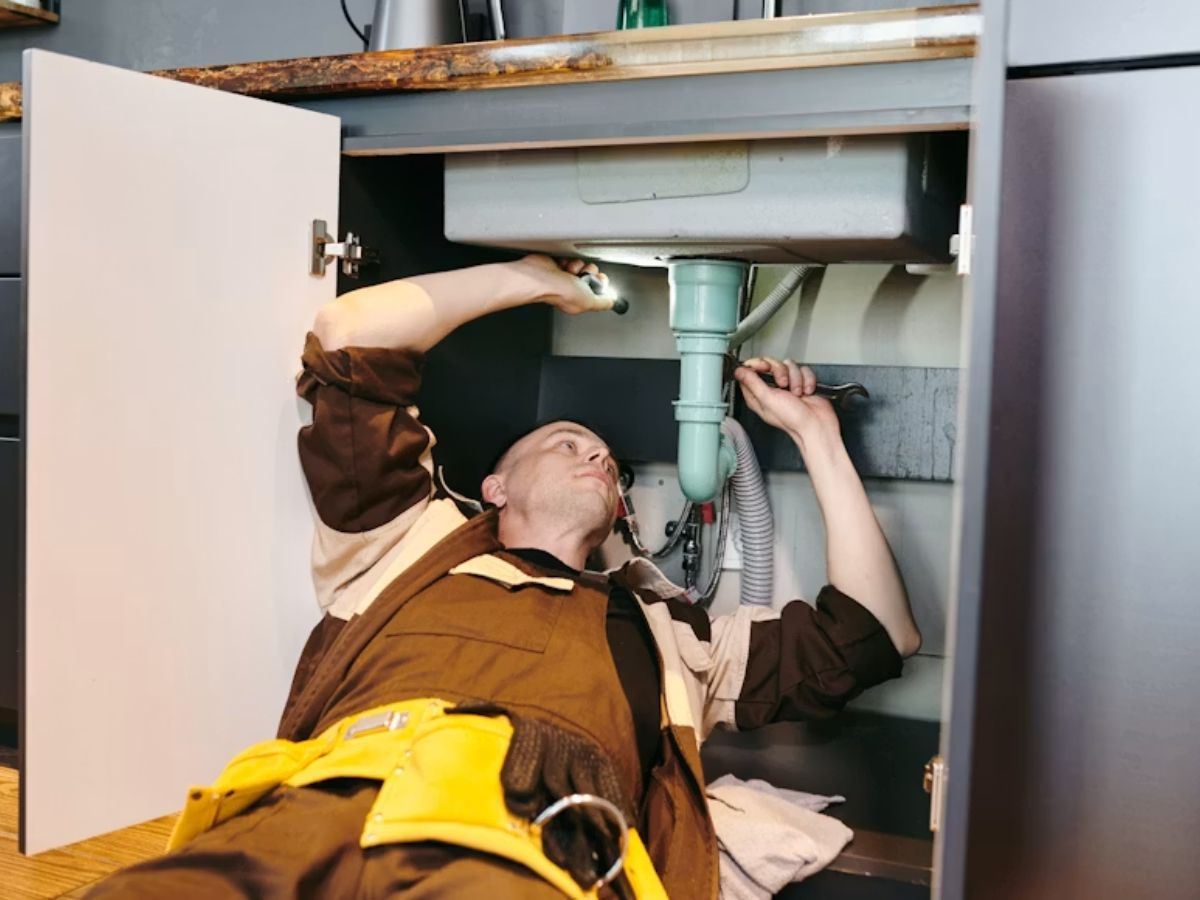
Effective Techniques for Residential Drain Cleaning

August 28, 2024
residential drain cleaning

Keeping your residential drains clean is essential to maintaining a healthy and functional home. If left unaddressed, clogged or slow drains can lead to unpleasant odors, water damage, and even structural issues. Understanding how to clean and maintain your drains properly can save you from costly repairs and ensure your plumbing system functions efficiently.


Despite their simplicity, drains can become clogged by various materials, including grease, hair, soap scum, and food particles. Each type of clog can require a different approach for effective cleaning. Knowing what causes these blockages can help you choose the right technique for clearing them and preventing future problems.


You can tackle most drain issues by incorporating both DIY techniques and professional services. Preventative maintenance is vital to keeping your drains flowing smoothly. This article will explore common causes of residential drain clogs, DIY methods homeowners can use, the benefits of hiring professional drain cleaning services, and tips for ongoing drain maintenance.


Understanding Common Causes of Residential Drain Clogs


Residential drains can clog for various reasons, each of which requires different solutions to address effectively. One common cause is the build-up of grease and oil. When cooking oil or grease is poured down the kitchen sink, it can solidify as it cools, sticking to the pipes and causing blockages. Over time, these deposits can accumulate, restricting water flow and leading to severe clogs.


Another frequent cause of drain clogs is hair. Hair can easily get trapped in bathroom drains and mix with soap scum, creating tangled masses that obstruct water flow. This is especially common in shower and bathtub drains. Soap scum itself is a culprit as well, particularly in homes that use soap bars. Soap residue can cling to the walls of your pipes, hardening and contributing to clogs.


Foreign objects and food waste also pose a significant challenge. Items like cotton balls, paper towels, and even small toys can accidentally find their way into drains and cause blockages. In the kitchen, food particles that don't break down easily, like coffee grounds or eggshells, can accumulate in the pipes, leading to slow drains or complete blockages. Understanding these common causes can help you take preventive measures and choose the appropriate cleaning methods.


DIY Drain Cleaning Techniques Homeowners Can Try


When dealing with minor clogs, several DIY techniques can be effective before calling in professional help. One of the simplest methods is using a plunger. Plungers create suction to dislodge blockages, making them effective for sinks, bathtubs, and toilets. Ensure a proper seal with the plunger and use steady, forceful motions to clear the drain.


Baking soda and vinegar are another household remedy for clearing drains. Start by pouring a pot of boiling water down the drain to loosen any debris. Then, add a cup of baking soda followed by a cup of vinegar. The chemical reaction helps break down build-up inside the pipes. Let it sit for 30 minutes, then flush the drain with another pot of boiling water to wash away any remaining debris.


For tougher clogs, a drain snake or auger can be very effective. These tools are designed to reach deep into the pipes, breaking up or pulling out the blockage. Insert the snake into the drain, and rotate the handle to push it through the clog. Slowly retract the snake to remove the blockage.


While these DIY methods can resolve minor issues, more severe or persistent clogs might require professional intervention. Knowing when to call in experts ensures that your drains stay clear and functional.


Advantages of Hiring Professional Drain Cleaning Services


While DIY methods can handle minor clogs, there are significant advantages to hiring professional drain cleaning services for more persistent or severe issues. One major benefit is the expertise and experience that professionals bring to the table. Licensed plumbers have the training to identify the root cause of a clog and the best techniques to address it, ensuring a thorough and lasting solution.


Professionals also have access to advanced equipment that is not readily available to homeowners. This includes high-pressure hydro-jetting systems that can efficiently clear out even the toughest blockages, leaving your pipes clean and free of debris. Video inspection tools allow technicians to pinpoint the exact location and nature of the clog, minimizing guesswork and ensuring a precise approach to the problem.


Hiring professionals also saves time and reduces the likelihood of making mistakes that could worsen the situation. DIY attempts can sometimes lead to further damage if not done correctly, such as puncturing pipes or pushing the clog deeper into the system. Professional services offer peace of mind, knowing that the job is done right the first time, and often come with guarantees or warranties on their work.


Preventative Maintenance Tips for Keeping Drains Clear


Maintaining clear drains involves a few simple practices that can significantly reduce the risk of clogs. Here are some practical tips to keep your drains flowing smoothly:


1. Regular Cleaning: Periodically pour boiling water down drains to help dissolve grease and soap scum. Using natural cleaners like baking soda and vinegar can also break down build-up.


2. Proper Disposal: Avoid pouring grease, coffee grounds, or food scraps down the sink. Use a strainer to catch food particles and debris before they enter the drain.


3. Hair Traps: Install hair traps or strainers in bathroom drains to catch hair before it clogs the pipes. Clean these traps regularly to ensure effectiveness.


4. Garbage Disposal Care: Run cold water before, during, and after using the garbage disposal to help flush food particles through. Avoid grinding fibrous materials like celery or banana peels, which can tangle and clog the disposal.


5. Routine Inspections: Schedule regular professional inspections. Professionals can identify potential issues before they become major problems, offering solutions to keep your plumbing system healthy.


Say Goodbye to Drain Clogs: Effective Solutions


Keeping your residential drains clear and functional is crucial for maintaining a healthy home environment. By understanding common causes of clogs and utilizing both DIY and professional techniques, you can manage and prevent most drain issues. Practicing preventative maintenance ensures that your drains remain free-flowing and reduces the likelihood of future problems.


If you're facing persistent drain issues or want to ensure your plumbing system is in optimal condition, professional services can offer the expertise and advanced tools needed for a comprehensive solution. At Apollo Sewer & Plumbing, we are committed to providing top-notch drain cleaning services in Holmdel, NJ, to keep your home running smoothly. 


Contact us today to schedule an appointment and experience the benefits of professional drain care!

By Jay Caddle April 27, 2026
Septic systems don’t just fail out of nowhere. They usually warn you first, just in small ways that are easy to brush off. That is where septic tank repair services come in. What feels like a minor slow drain or a weird smell is often the start of a bigger issue building under the surface. In this blog, we will go through the real warning signs so you know what to look for before things turn into a costly mess. 1. Slow drains all over the house One slow sink is normal. But when your kitchen, shower, and toilet all start draining slow at the same time, that is not random. It usually means the septic tank is getting full or struggling to process waste. This is when people start looking for septic tank pumping services nearby, because the system is no longer keeping up. Ignore it, and you are basically waiting for a backup. 2. Bad smells that do not go away A small odor near a drain can sometimes happen. That is not always a big deal. But when that sewage smell starts showing up in your yard, bathroom, or basement, and it does not go away, something is wrong. It usually means waste gases are building up or the system is not breaking things down properly. At that point, you are past the “wait and see” stage and likely need septic tank cleaning services before it turns into something worse. 3. Standing water around the drain field Seeing wet patches or pooling water near your drain field is never normal. It is one of those signs people often ignore until it gets worse. A healthy system should drain underground cleanly. When the ground stays soggy or starts smelling, it usually means overload or failure, and that is when septic tank repair services are needed. 4. Gurgling sounds in pipes Hearing strange gurgling noises when you flush the toilet or run water is not normal. It often means air is trapped in the plumbing system because wastewater is not flowing correctly through the septic tank. People ignore this one more than they should, but it is usually an early warning sign that things are backing up. If caught early, a quick service call can prevent a full backup into the house. 5. Sewage backup in sinks or toilets This is the point nobody wants to reach. When sewage starts coming back through drains or toilets, the system is already overwhelmed. It is no longer a warning sign; it is an emergency. At this stage, most homeowners need help from local septic contractors in Old Bridge, NJ, right away to avoid damage and health risks. 6. Lush, unusually green grass over the septic area It can look like a good thing at first, but overly green grass over your septic area is not normal. It usually means wastewater is leaking into the soil and feeding the grass. That sounds harmless, but it actually means your system is failing underground and needs attention before it spreads. 7. It has been years since your last pump Even if everything seems fine, septic systems still need regular pumping to stay healthy. If it has been years since service, you are taking a risk. Solids build up quietly and cause overload, which is why scheduling septic tank pumping services nearby is not optional; it is prevention. Why acting early actually saves you money  Most septic issues do not start as emergencies. They start small. Slow drains. Weird smells. Minor yard changes. The problem is that people wait. By the time the system fully backs up, the cost of repairs jumps fast. That is why maintenance services exist in the first place. Things like septic tank cleaning services and routine inspections are not just optional upkeep. They are what keep the system from failing early. In areas like Old Bridge, having reliable help matters. Weather, soil conditions, and system age all play a role in how fast things break down. That is why working with affordable septic services in Old Bridge makes a real difference. You are not just paying for a fix. You are preventing a bigger one. Getting the right help before it turns into an emergency Septic issues don’t usually explode overnight. They creep in. A slow drain here, a weird smell there, and most people brush it off until it becomes a real problem. If you are noticing signs, here is what actually matters: Don’t wait, it only gets worse Get it checked early, before it turns into a backup Stop guessing, septic systems are not DIY territory Handle small issues now, not after damage shows up Bring in people who deal with this stuff every day Apollo Sewer & Plumbing handles everything from inspections to full septic tank repair services, especially the jobs that have already gone past “minor issue” territory. They are also one of the local septic contractors in Old Bridge, NJ people call when things turn urgent. Simple rule. If something feels off, it probably is. Fix it early and save yourself the headache later. Final thought Septic systems do not usually fail without warning. They give small signs first, and most of the time people notice them but push them aside. The real issue is not the problem itself, it is the delay. What starts as slow drains or a faint smell can quickly turn into something messy and expensive if it is ignored too long. Apollo Sewer & Plumbing helps homeowners catch these issues early with proper inspections, repairs, and maintenance before things get out of hand. [ Call Now for Septic Help ] FAQ How often should a septic tank be pumped? There is no one fixed rule, but most homes last somewhere around every 3 to 5 years. Bigger households usually need it sooner. If you are waiting until something smells or backs up, you are already late. That is why septic tank pumping services nearby are more about prevention than repair. What are the first signs that something is wrong with a septic system? It usually starts small. Drains are slowing down, toilets are acting weird, or a faint smell that comes and goes. Nothing dramatic at first. But when it starts happening in more than one place, it is your system telling you it is struggling and needs septic tank repair services. Is a bad smell from the yard or drains serious? Yes, more than people think. That smell is not normal air escaping. It usually means waste gases are not being handled properly or something is backing up underground. It might start light, but it does not stay that way. That is when septic tank cleaning services are needed before it spreads. What is the risk of ignoring septic issues? It never just stays the same. It gets worse. What starts as slow drains can turn into full sewage backup inside the house or a soggy yard that will not dry. Fixing it early is simple. Waiting turns it into a major repair. That is why regular service matters more than people realize.
septic tank
December 15, 2024
Learn how to maintain a healthy septic system at home with simple daily habits, identifying signs of trouble, and knowing when to call professionals.
commercial plumbing
December 15, 2024
Learn essential tips for maintaining commercial plumbing. Ensure your business runs smoothly with regular maintenance, common issue identification, and more.
plumbing system
December 8, 2024
Discover key plumbing tips for commercial buildings. Learn how to maintain systems, save water, tackle issues, and upgrade fixtures for efficiency.
sewer problem
December 8, 2024
Learn how to identify sewer problems early with these simple signs. Avoid big issues by spotting unpleasant odors, slow drains, and more.
Residential Excavation
December 2, 2024
Get tips on clearing obstacles, marking utility lines, managing noise, and planning debris removal for a successful residential excavation. Continue reading!
Septic System
December 2, 2024
In this blog, we learn to spot septic system issues early. Discover simple checks, common problems, and when to call a professional for help. Continue reading!
sewer inspection
November 24, 2024
Learn the key signs that indicate it's time to schedule a sewer inspection to prevent costly damage and maintain a healthy home. Read on!
 home septic system
November 24, 2024
Learn simple tips to maintain your home's septic system. Keep it working efficiently with easy daily habits and know when to call in the pros.
sewer service
November 18, 2024
Learn when to schedule a sewer inspection for your property. Discover signs, benefits, timing, and what to expect during the process.