Safeguard Your Home with Sump Pump Installation and Maintenance
July 31, 2024
sump pump

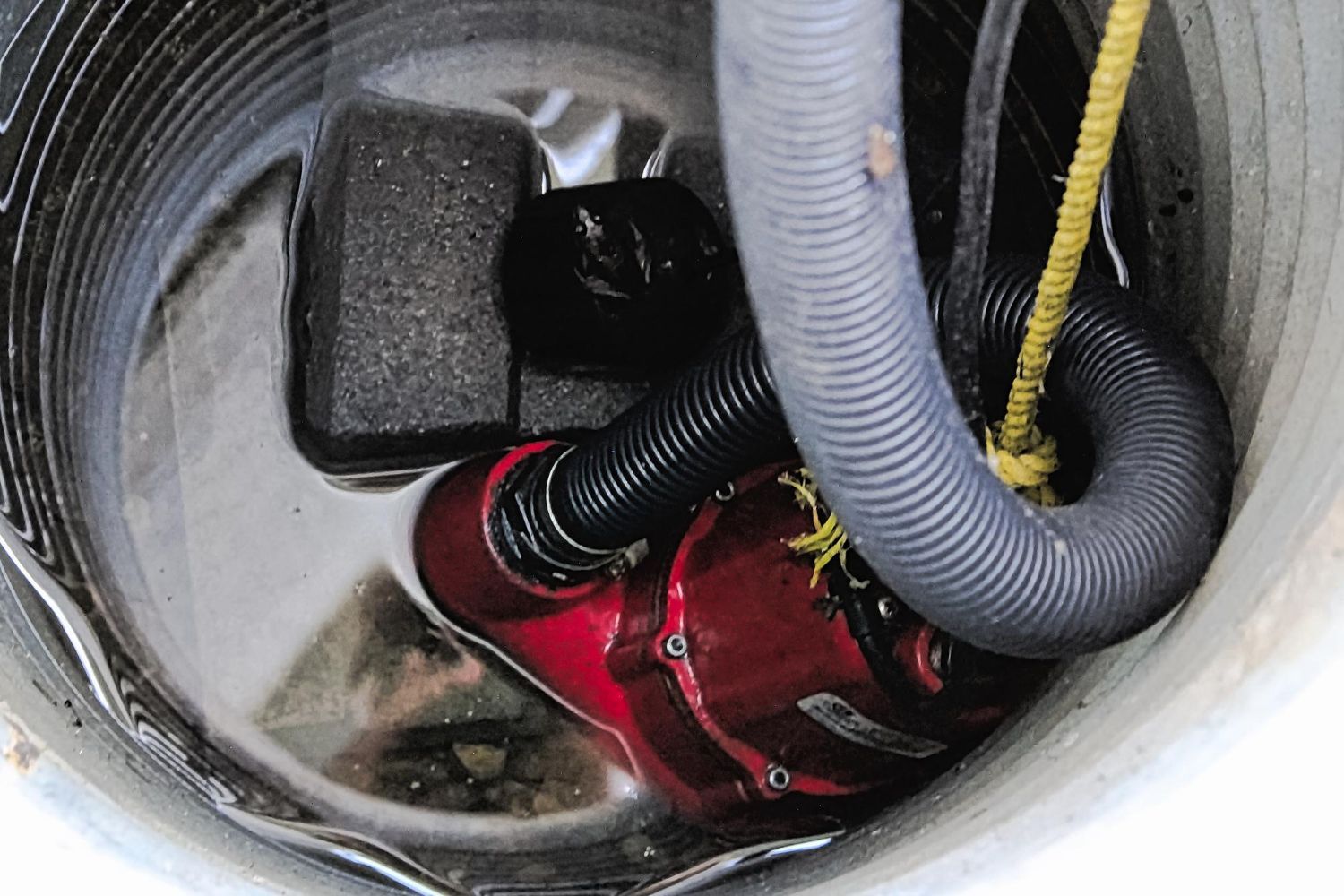
For homeowners in areas prone to heavy rainfall, flooding, or high water tables, a sump pump is a vital piece of equipment that can protect your property from water damage and prevent costly repairs. A sump pump works to remove excess water from your home, usually in the lowest part of the basement or crawlspace and discharges it safely away from the foundation. When installed and maintained correctly, a sump pump is a reliable and efficient solution for keeping your home dry and secure.


In this blog, we at Apollo Sewer & Plumbing will discuss the importance of sump pump installation and maintenance for safeguarding your home. We will explore the various types of sump pumps, their installation process, key maintenance tasks, and tips for ensuring their optimum performance. By understanding the significance of a well-functioning sump pump, you can take the necessary steps to protect your home from the consequences of water intrusion and damage.


Types of Sump Pumps and Their Applications


There are two primary types of sump pumps that homeowners can consider for their property:


1. Submersible sump pump: As the name suggests, this type of pump is designed to operate while fully submerged in water. The motor is sealed within a waterproof enclosure, making it suitable for use in more extensive basements and spaces prone to significant flooding. Since the unit is submerged, it can be less conspicuous and quieter than a pedestal pump.


2. Pedestal sump pump: In contrast, a pedestal sump pump features a motor that is mounted on a stand above the water line, separate from the actual pump. This type is ideal for small or narrow sump basins, as it requires less room for installation. However, it is often louder than submersible pumps due to the exposed motor.


The choice between submersible and pedestal sump pumps depends on factors like the size of your basement, volume of water intrusion, local water table, and budget.


Sump Pump Installation Process


Proper sump pump installation is critical to ensure effective protection against flooding and water damage. The installation process typically entails the following steps:


1. Sump basin selection and placement: A suitable sump basin or pit should be selected based on the volume of water it will need to accommodate and the pump size. It should be placed in the lowest part of the basement or crawlspace, where water tends to accumulate.


2. Excavation and preparation: The floor should be excavated to the appropriate depth and dimensions to accommodate the sump basin. A layer of gravel or crushed stone should be placed in the bottom of the pit to facilitate drainage.


3. Pump installation: The sump pump should be installed within the basin according to the manufacturer's instructions, ensuring secure connections and proper alignment.


4. Discharge pipe installation: A discharge pipe should be connected to the pump and directed to a safe location away from the foundation of the home to minimize the risk of water re-entering the structure.


5. Electrical connections: A dedicated circuit should be set up for the sump pump, with a Ground Fault Circuit Interrupter (GFCI) outlet to help prevent electrical accidents.


Key Maintenance Tasks and Tips


Regular sump pump maintenance is essential for ensuring its reliable performance and prolonging its lifespan. Key maintenance tasks and tips include:


1. Inspection and cleaning: Inspect the sump basin and pump regularly for debris that may obstruct the pump or float switch. Clean the pump's inlet screen and sump basin as necessary.


2. Test the pump's operation: Run water through the pump and observe its operation, including the float switch's activation and the water discharge process.


3. Check the discharge pipe: Ensure that the discharge pipe remains clear of obstructions, debris, and ice that could hinder water flow. Also, confirm that the check valve is functioning correctly.


4. Test the backup power source: If your sump pump has a battery backup, test its operation regularly to ensure it can adequately power the pump during a power outage.


Sump Pump Safety Measures


To ensure your sump pump operates safely and effectively, keep these safety measures in mind:


1. Employ a GFCI outlet: Ensure the sump pump is connected to a GFCI outlet to help prevent electrical accidents.


2. Keep children and pets away: Make sure your sump basin has a secure cover to prevent children and pets from accessing it.


3. Install a backup power source: A battery backup or a standby generator can keep your sump pump running during a power outage when it may be needed the most.


4. Consult a professional for maintenance and repairs: When in doubt, always consult a professional to assist with sump pump maintenance, repairs, or replacement.


Trust Apollo Sewer & Plumbing for Your Sump Pump Needs


Proactive sump pump installation and maintenance play a crucial role in protecting your home from water damage and flooding. By understanding the different types of pumps, their installation process, tips for maintenance, and safety measures, you can rest assured that your property is well-guarded against the perils of water intrusion.


Rely on the expertise and experience of the team at Apollo Sewer & Plumbing to help you with your sump pump installation and maintenance needs. Our professionals are dedicated to providing the best service and support to ensure your home remains safe and dry. Contact us today to learn more about our comprehensive residential plumbing services and how we can help safeguard your home.

By SEO Team June 15, 2026
Pipes around here deal with a lot of garbage. Our winters freeze the ground solid, the summers are pure humidity, and all that shifting puts a ridiculous amount of stress on the lines under your floors. You don't think about it until you're staring at a puddle. That is usually how it goes. But if you are already noticing weak pressure or weird sounds in the walls, the clock is ticking. Sorting out your plumbing in Monmouth County before a pipe actually splits open saves you a massive headache and a brutal cleanup bill. A flooded basement ruins your whole week. Here is how you spot the trouble early. 1. Your Water Pressure Suddenly Vanished You turn on the shower, expecting a decent stream, and you get a sad, weak trickle instead. It is incredibly frustrating. Sometimes it is just a clogged aerator on one single faucet—simple enough, you unscrew it and clean it out. But if low pressure is hitting your whole building, water is escaping somewhere it shouldn't be. A sudden drop across the board usually means a cracked or completely ruptured line hidden behind your walls or buried under your front lawn. If you run a retail shop or a busy restaurant, this can completely halt your day. When you need commercial plumbing repair in Monmouth County, NJ, you cannot afford to sit around playing guessing games while water rots out your inventory or your floors. 2. The Unexplained Skyrocketing Water Bill We all pretty much know what our utility bills look like every month. A little bounce up and down is normal; maybe you watered the grass more or had family staying over for the weekend. But if your bill suddenly doubles and your actual daily habits haven’t changed one bit? You have a silent leak. Pipes buried deep under concrete slabs or out in your yard can leak thousands of gallons completely out of sight. You won't get a neat little water spot on your ceiling to warn you. It just bleeds into the dirt while your money goes down the drain. If you think you have a ghost leak, go check the meter. Turn off everything using water in the house first. If that little dial or digital screen is still ticking up, you've got water actively ripping out of a broken line somewhere. 3. Discolored or Smelly Water Your tap water needs to be totally clear. If it runs brown or looks rusty, your older lines are literally rotting from the inside out and flaking junk into your drinks. The smell is way worse. Catching a whiff of rotten eggs or straight sewage means a cracked vent or a backed-up main line. If your kitchen or yard stinks, call Apollo Sewer & Plumbing right away to locate the source of the problem before it worsens. 4. Strange Sounds in the Walls Your pipes should be quiet. If you start hearing rattling, clicking, or running water behind your drywall when nobody is even using the bathroom, you have a problem. Loose hangers let pipes shift and bang against the wood framing. But hearing constant rushing or dripping means water is actively escaping from a break right now. Do not sit around waiting for a huge wet spot to rot out your ceiling. If your walls are talking, something is wrong. 5. Slow Drains That Refuse to Clear One slow sink is usually just hair. You yank it out, problem solved. But when every single drain in the house clogs at the same time, you're looking at a far deeper problem deep within your main line. Tree roots love to punch through old pipes around here. Or maybe decades of grease and gunk finally choked the line shut. Either way, simple chemical drain cleaners will not fix this. Persistent backups mean you need heavy-duty water jetting to blast the line clean. Do not wait for it to overflow. Local Spots Face Unique Challenges Plumbing issues do not look the same everywhere you go. Depending on exactly where your property sits around here, you run into different environmental headaches: Plumbing Services in Union Beach, NJ Living right on the water means the ground under your house is constantly shifting. That salty coastal soil moves around a lot, and all that twisting puts a ridiculous amount of stress on your underground sewer lines until they finally snap.  Emergency Plumbing Services in Cliffwood Beach A lot of the older places around Cliffwood Beach are running on ancient, fragile pipes. They just can't handle a sudden freeze or a heavy storm anymore without cracking wide open and flooding your property. Whether you are managing a household or running a commercial property, spotting these warnings early saves you thousands in gutting and restoration costs. Don't Wait for a Total Failure It is always tempting to put off plumbing work because nobody wants to deal with the mess or the bill. But water damage does not care about your schedule. A pinhole leak can rot out floor joists, ruin drywall, and grow mold long before you see an actual puddle. The second you notice these signs, you need a team that knows the local soil and has the heavy equipment to handle everything from simple line fixes to full-scale excavation. If your plumbing is acting up, save yourself the stress. Reach out to Apollo Sewer & Plumbing for honest plumbing services in Monmouth County, NJ. Whether it is a commercial emergency or a residential headache, we will get things flowing right again.
Plumbing fixture installation
By SEO Team May 30, 2026
Plumbing fixture installation needs the right tools to avoid leaks and damage. Learn what pros actually use and when things get tricky fast.
commercial plumbing services
By SEO Team May 27, 2026
Commercial plumbing services keep business systems running with expert repair, installation, and maintenance to prevent costly downtime and disruption.
septic tank pumping services
By SEO Team May 12, 2026
Learn how poor septic care harms soil and water. Apollo Sewer and Plumbing shares simple septic maintenance tips for homeowners.
By SEO Team April 30, 2026
Learn how plumbing maintenance services in Middletown, NJ help prevent costly repairs, improve performance, and keep your home safe year-round.
 affordable plumbing services in Monmouth County
By SEO Team April 28, 2026
Looking for affordable plumbing services in Monmouth County? Discover why hiring a licensed local plumber saves time, money, and stress when it matters most.
By Jay Caddle April 27, 2026
Learn the 7 warning signs of septic trouble and when to call for septic tank repair services before costly damage occurs.
septic tank
December 15, 2024
Learn how to maintain a healthy septic system at home with simple daily habits, identifying signs of trouble, and knowing when to call professionals.
commercial plumbing
December 15, 2024
Learn essential tips for maintaining commercial plumbing. Ensure your business runs smoothly with regular maintenance, common issue identification, and more.
plumbing system
December 8, 2024
Discover key plumbing tips for commercial buildings. Learn how to maintain systems, save water, tackle issues, and upgrade fixtures for efficiency.