Keeping Your Septic System in Shape: Tips for Effective Maintenance
Tom Sawyer • March 5, 2024
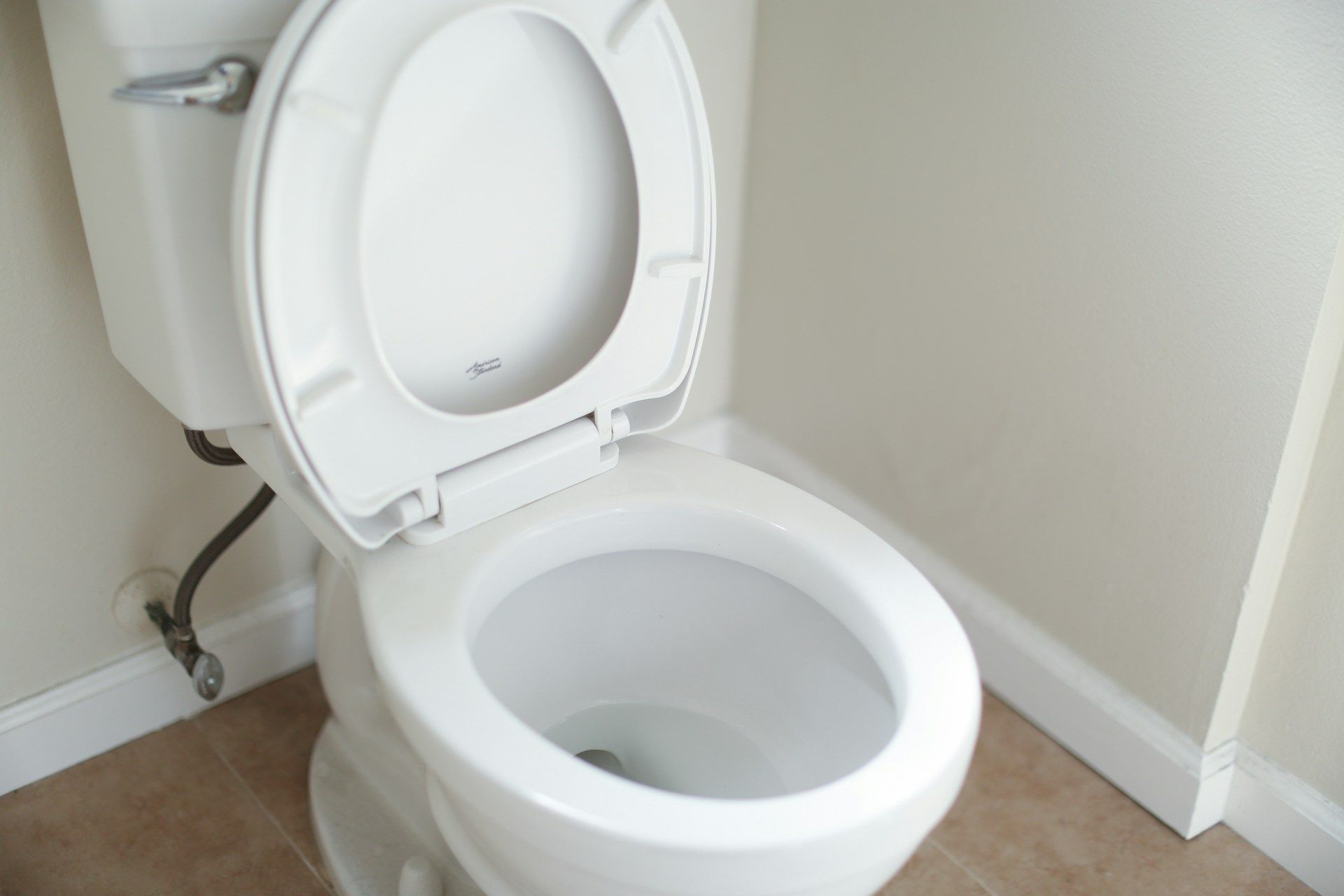
toilet

The maintenance and care of a septic system are crucial for the overall health and well-being of a residential or commercial property. A neglected system can lead to backups, unprecedented expenses, and potential health hazards. At Apollo Sewer & Plumbing, we value the importance of proper septic system care, and this blog aims to provide homeowners and businesses alike with valuable information and tips to ensure a fully functional and healthy septic system.


A properly-designed, well-maintained septic system is both dependable and efficient, but only if the owner invests time and effort in staying informed about septic system upkeep. When you know the basic dos and don'ts of septic system care, you can prevent many issues that could arise down the line.


We will cover topics ranging from the role of additives in your septic tank, recommended ways to conserve water, and household items that should never be flushed or drained into the septic system. We will also address valuable insights about landscaping around your septic tank and the significance of regular inspection, maintenance, and pumping of the tank.


With these tips and best practices, you can ensure the predictable performance of your septic system, secure a comfortable and sanitary living or working environment, avoid costly repairs, and meet local regulations.


The Role of Septic Tank Additives


Adding septic tank additives to your system is a topic of much debate among experts. Some believe that these additives, which contain organic materials, bacteria, or enzymes, can help break down solids and enhance the overall functionality of your septic tank. Others argue that these additives are not required for a well-functioning septic system and may even disrupt the natural biological balance within the tank.


The general consensus is that while additives might not be entirely harmful, they should not be relied upon as a substitute for proper septic tank care. Instead, regular maintenance and best practices should be adhered to for optimal results.


Conserve Water to Reduce Septic System Strain


One of the most critical factors impacting septic system efficiency is water usage. A high volume of water entering the system can strain its capacity to treat and disperse waste effectively. To conserve water and decrease the burden on your septic system, consider implementing the following measures:


- Installing low-flow fixtures, such as showerheads and faucets with aerators

- Using water-efficient appliances, like high-efficiency washing machines and dual-flush toilets

- Repairing leaks promptly, as even small leaks can add up to significant water loss over time

- Spreading out laundry loads evenly through the week rather than washing multiple loads in one day


By implementing these water-saving practices, you can not only lessen the impact on your septic system but also save on your water bill and contribute to environmental sustainability.


Avoid Flushing and Draining Inappropriate Items


Some items should never be flushed or drained into your septic system, as they can clog pipes, disrupt the balance of the system, or contaminate the environment. Stick to the golden rule: The only things that should go down your toilet are human waste and toilet paper.


Avoid flushing or draining any of the following:


- Sanitary products, such as tampons and pads

- Disposable wipes (even those labeled "flushable")

- Grease and cooking oil, which can solidify in the pipes and cause blockages

- Food scraps or coffee grounds, which belong in the trash or compost bin

- Harsh chemicals, such as paint, solvents, or excessive amounts of bleach, which can damage your septic system and contaminate the groundwater


When in doubt, it's best to err on the side of caution and dispose of items in the trash rather than risk causing harm to your septic system.


Landscape Smartly Around Your Septic System


The area surrounding your septic system is essential for adequate absorption and functionality. Follow these landscaping tips to help maintain a healthy septic system:


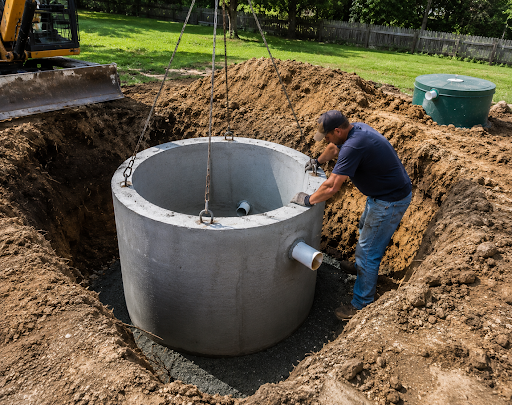
- Keep the area above your septic tank and drain field relatively clear, with only a well-maintained lawn or shallow-rooted native vegetation. Avoid planting trees or shrubs, as their roots can cause damage to the tank and pipes.

- Ensure that your drain field has proper grading to prevent ponding or excessive runoff, which can affect the absorption process.

- Do not drive or park heavy equipment or vehicles over your septic system, as this can compact the soil or damage the tank, pipes, and drain field.


By keeping a close eye on the landscape around your septic system, you can ensure its longevity and functionality for years to come.


A Healthy Septic System is Worth the Effort


Maintaining a healthy septic system might seem like a daunting task, but with the right knowledge and proactive measures, it is both manageable and essential. By following the tips outlined in this guide—understanding the role of additives, conserving water, avoiding inappropriate items in the system, and employing smart landscaping techniques—you can take significant steps toward ensuring a fully-functional and long-lasting septic system. Remember, ongoing maintenance and inspections play a crucial role in preventing issues and prolonging the life of your septic system, ultimately saving you money and contributing to a cleaner environment.


For trusted and dependable septic system services, look no further than Apollo Sewer & Plumbing. Contact us today for expert advice and top-quality solutions tailored to your residential or commercial property needs.

By SEO Team June 15, 2026
Pipes around here deal with a lot of garbage. Our winters freeze the ground solid, the summers are pure humidity, and all that shifting puts a ridiculous amount of stress on the lines under your floors. You don't think about it until you're staring at a puddle. That is usually how it goes. But if you are already noticing weak pressure or weird sounds in the walls, the clock is ticking. Sorting out your plumbing in Monmouth County before a pipe actually splits open saves you a massive headache and a brutal cleanup bill. A flooded basement ruins your whole week. Here is how you spot the trouble early. 1. Your Water Pressure Suddenly Vanished You turn on the shower, expecting a decent stream, and you get a sad, weak trickle instead. It is incredibly frustrating. Sometimes it is just a clogged aerator on one single faucet—simple enough, you unscrew it and clean it out. But if low pressure is hitting your whole building, water is escaping somewhere it shouldn't be. A sudden drop across the board usually means a cracked or completely ruptured line hidden behind your walls or buried under your front lawn. If you run a retail shop or a busy restaurant, this can completely halt your day. When you need commercial plumbing repair in Monmouth County, NJ, you cannot afford to sit around playing guessing games while water rots out your inventory or your floors. 2. The Unexplained Skyrocketing Water Bill We all pretty much know what our utility bills look like every month. A little bounce up and down is normal; maybe you watered the grass more or had family staying over for the weekend. But if your bill suddenly doubles and your actual daily habits haven’t changed one bit? You have a silent leak. Pipes buried deep under concrete slabs or out in your yard can leak thousands of gallons completely out of sight. You won't get a neat little water spot on your ceiling to warn you. It just bleeds into the dirt while your money goes down the drain. If you think you have a ghost leak, go check the meter. Turn off everything using water in the house first. If that little dial or digital screen is still ticking up, you've got water actively ripping out of a broken line somewhere. 3. Discolored or Smelly Water Your tap water needs to be totally clear. If it runs brown or looks rusty, your older lines are literally rotting from the inside out and flaking junk into your drinks. The smell is way worse. Catching a whiff of rotten eggs or straight sewage means a cracked vent or a backed-up main line. If your kitchen or yard stinks, call Apollo Sewer & Plumbing right away to locate the source of the problem before it worsens. 4. Strange Sounds in the Walls Your pipes should be quiet. If you start hearing rattling, clicking, or running water behind your drywall when nobody is even using the bathroom, you have a problem. Loose hangers let pipes shift and bang against the wood framing. But hearing constant rushing or dripping means water is actively escaping from a break right now. Do not sit around waiting for a huge wet spot to rot out your ceiling. If your walls are talking, something is wrong. 5. Slow Drains That Refuse to Clear One slow sink is usually just hair. You yank it out, problem solved. But when every single drain in the house clogs at the same time, you're looking at a far deeper problem deep within your main line. Tree roots love to punch through old pipes around here. Or maybe decades of grease and gunk finally choked the line shut. Either way, simple chemical drain cleaners will not fix this. Persistent backups mean you need heavy-duty water jetting to blast the line clean. Do not wait for it to overflow. Local Spots Face Unique Challenges Plumbing issues do not look the same everywhere you go. Depending on exactly where your property sits around here, you run into different environmental headaches: Plumbing Services in Union Beach, NJ Living right on the water means the ground under your house is constantly shifting. That salty coastal soil moves around a lot, and all that twisting puts a ridiculous amount of stress on your underground sewer lines until they finally snap.  Emergency Plumbing Services in Cliffwood Beach A lot of the older places around Cliffwood Beach are running on ancient, fragile pipes. They just can't handle a sudden freeze or a heavy storm anymore without cracking wide open and flooding your property. Whether you are managing a household or running a commercial property, spotting these warnings early saves you thousands in gutting and restoration costs. Don't Wait for a Total Failure It is always tempting to put off plumbing work because nobody wants to deal with the mess or the bill. But water damage does not care about your schedule. A pinhole leak can rot out floor joists, ruin drywall, and grow mold long before you see an actual puddle. The second you notice these signs, you need a team that knows the local soil and has the heavy equipment to handle everything from simple line fixes to full-scale excavation. If your plumbing is acting up, save yourself the stress. Reach out to Apollo Sewer & Plumbing for honest plumbing services in Monmouth County, NJ. Whether it is a commercial emergency or a residential headache, we will get things flowing right again.
Plumbing fixture installation
By SEO Team May 30, 2026
Plumbing fixture installation needs the right tools to avoid leaks and damage. Learn what pros actually use and when things get tricky fast.
commercial plumbing services
By SEO Team May 27, 2026
Commercial plumbing services keep business systems running with expert repair, installation, and maintenance to prevent costly downtime and disruption.
septic tank pumping services
By SEO Team May 12, 2026
Learn how poor septic care harms soil and water. Apollo Sewer and Plumbing shares simple septic maintenance tips for homeowners.
By SEO Team April 30, 2026
Learn how plumbing maintenance services in Middletown, NJ help prevent costly repairs, improve performance, and keep your home safe year-round.
 affordable plumbing services in Monmouth County
By SEO Team April 28, 2026
Looking for affordable plumbing services in Monmouth County? Discover why hiring a licensed local plumber saves time, money, and stress when it matters most.
By Jay Caddle April 27, 2026
Learn the 7 warning signs of septic trouble and when to call for septic tank repair services before costly damage occurs.
septic tank
December 15, 2024
Learn how to maintain a healthy septic system at home with simple daily habits, identifying signs of trouble, and knowing when to call professionals.
commercial plumbing
December 15, 2024
Learn essential tips for maintaining commercial plumbing. Ensure your business runs smoothly with regular maintenance, common issue identification, and more.
plumbing system
December 8, 2024
Discover key plumbing tips for commercial buildings. Learn how to maintain systems, save water, tackle issues, and upgrade fixtures for efficiency.