What Tools Are Essential for Installing Household Plumbing Fixtures?

People usually don’t think much about plumbing until something stops working. A faucet starts dripping at night, the toilet runs nonstop, or the shower pressure drops for no clear reason. Then suddenly, it turns into a weekend project you didn’t plan for.
And here’s the thing. Plumbing fixture installation sounds simple until you’re actually doing it. That’s when you realize it’s not just “hooking things up.” It’s measuring, sealing, tightening, adjusting, and hoping you didn’t miss something small that turns into a leak later.
At Apollo Sewer and Plumbing, we get called in after a lot of those “almost finished it myself” situations. Most of the time, the issue isn’t effort. It’s the tools and the lack of the right ones at the right time.
Why Proper Tools Matter During Plumbing Fixture Installation
Water doesn’t really forgive bad connections. If something’s off, it shows up sooner or later.
A loose-fitting under a sink might seem fine at first. Then a few days pass, and you’re suddenly dealing with damp spots or stains creeping in behind the cabinet.
That’s why plumbing fixture installation is more about control than force. Get things lined up right, tighten with feel, and don’t overdo it.
Without them, even basic jobs like Toilet installation or Faucet fitting turn into guesswork. And guesswork with water is never a good mix.
Adjustable Wrenches
This is the everyday workhorse.
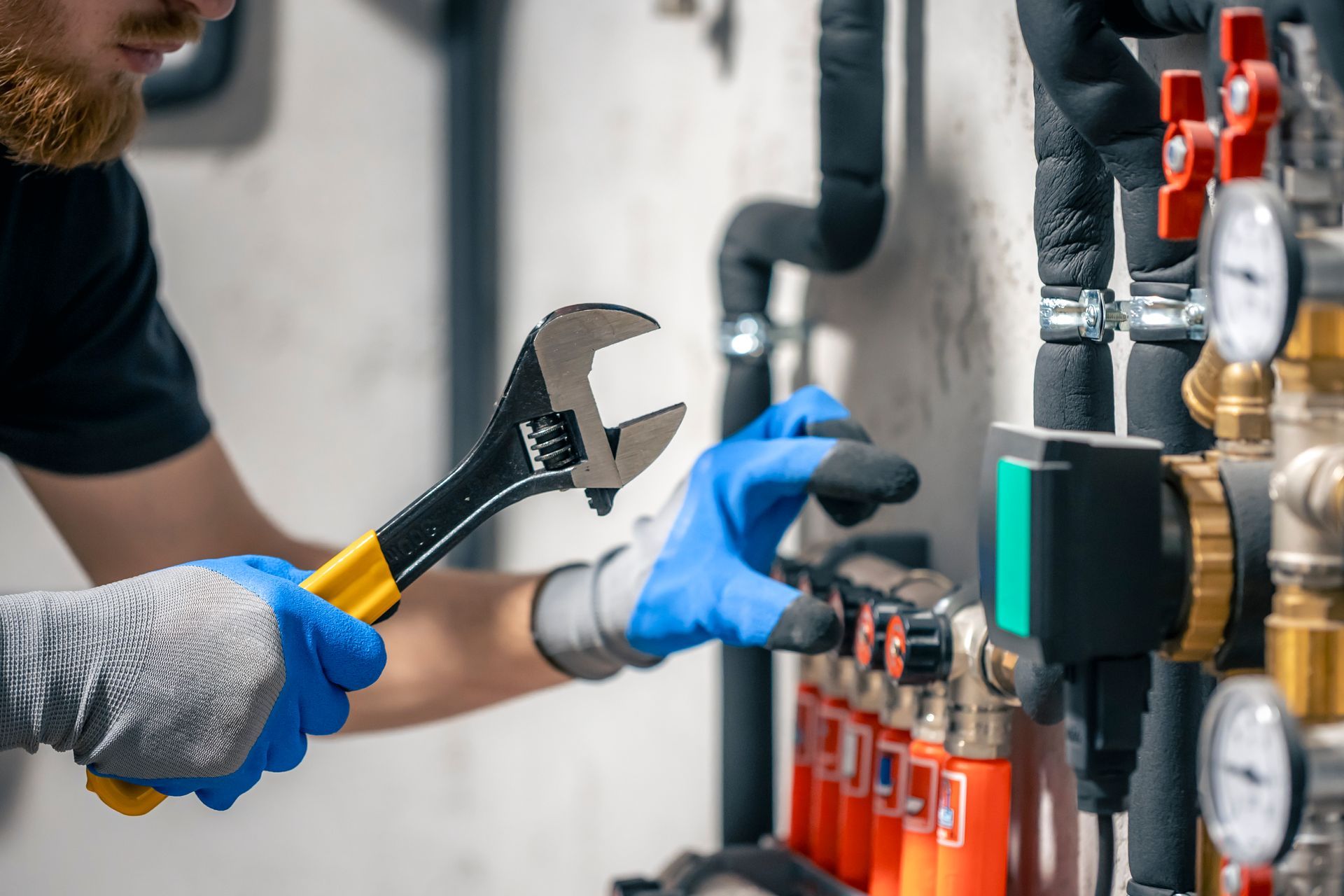
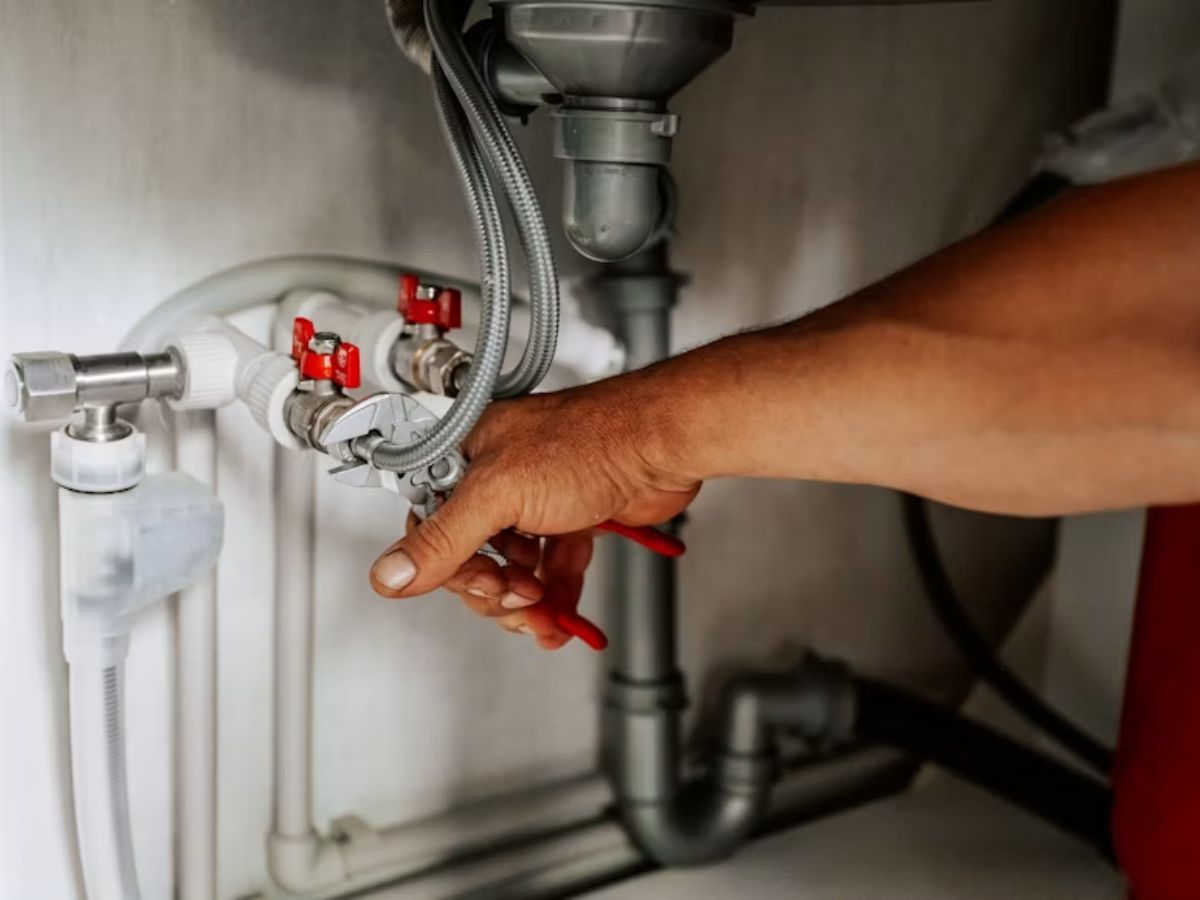
The work of almost all plumbers involves nuts, pipe fittings, and water lines, and the adjustable wrench will do most of the work for you. Instead of carrying a full set of fixed sizes, you just adjust and go.
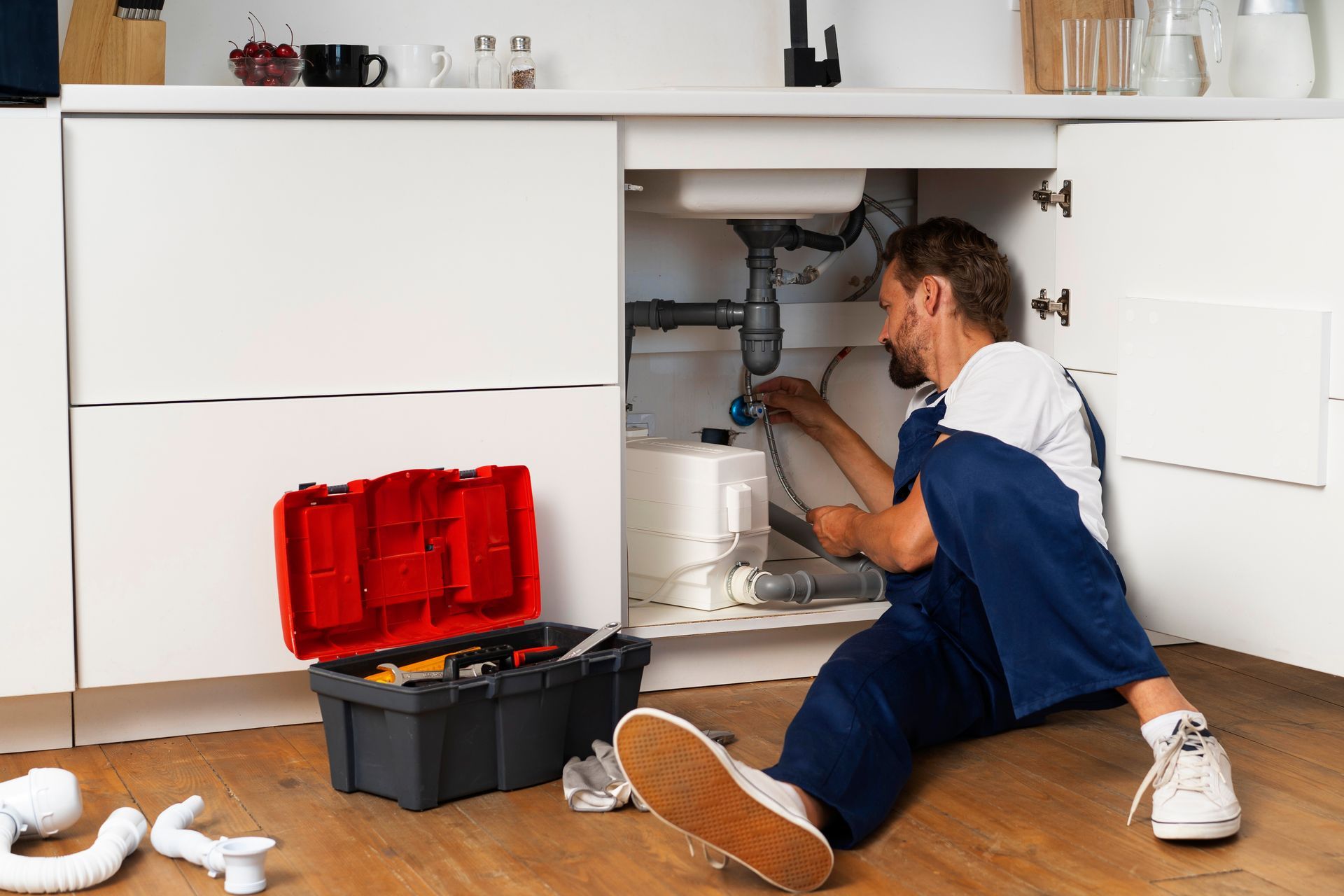
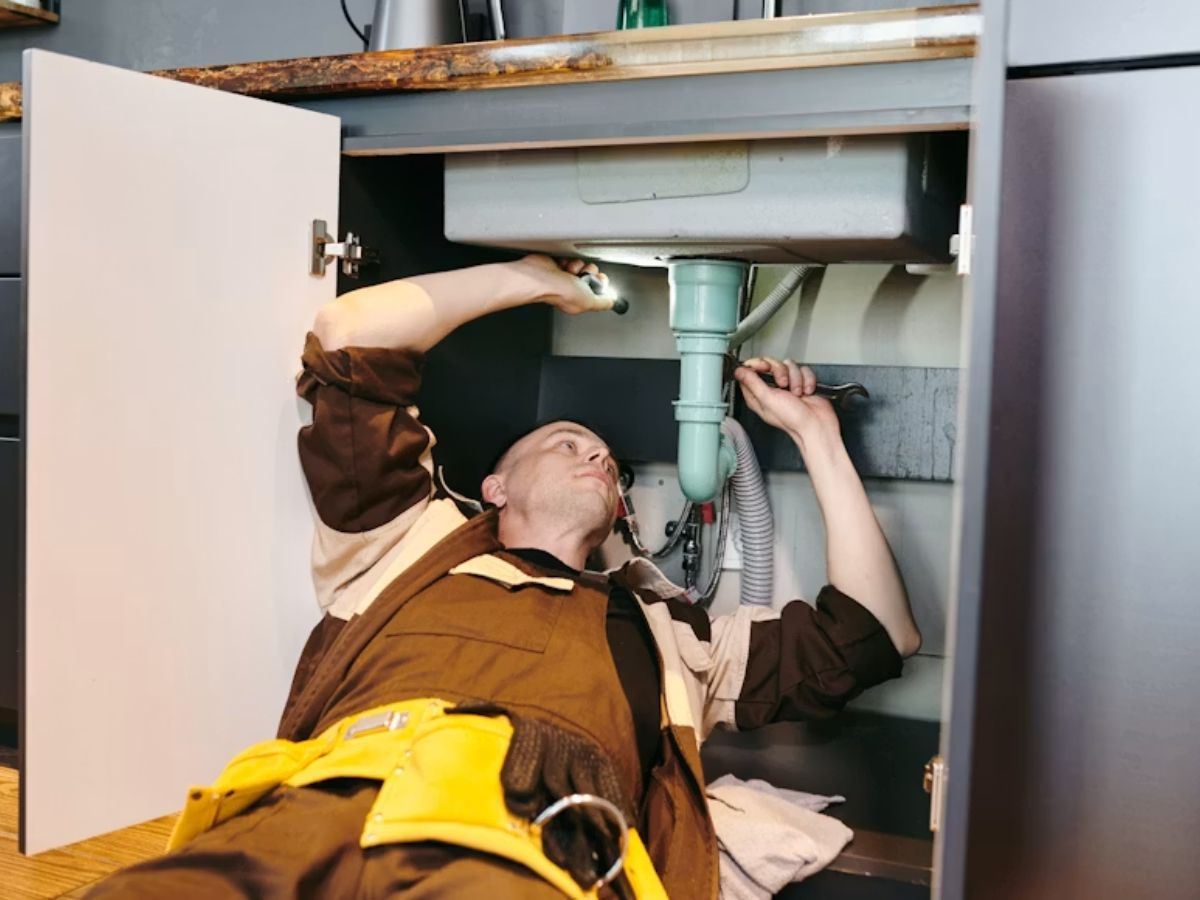
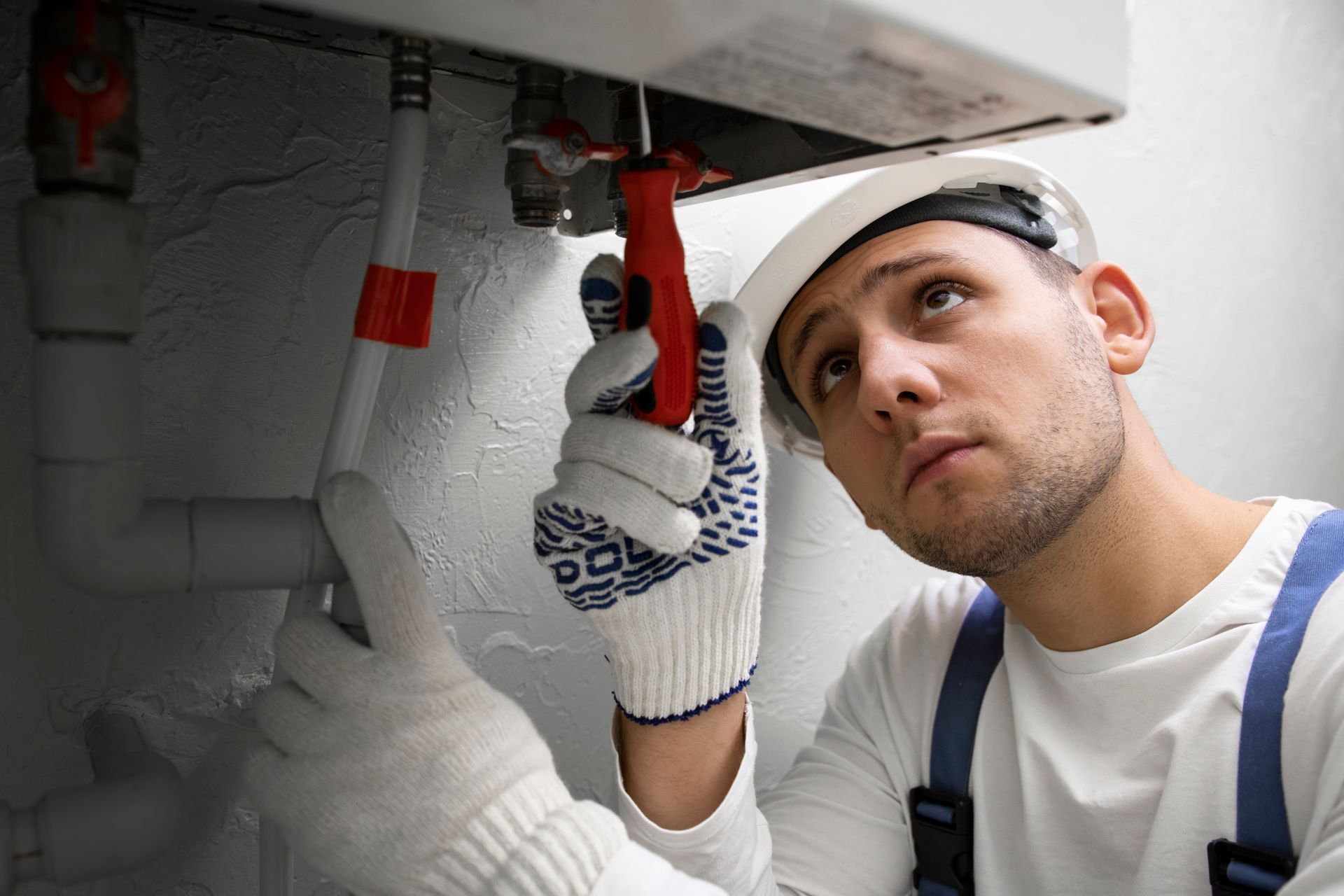
During plumbing fixture installation services, this tool gets used constantly, especially under sinks where space is tight, and your hands barely fit.
One small warning, though. A cheap wrench that slips will slow you down and can even damage fittings. You feel that frustration immediately when you’re stuck under a sink trying to hold a line steady.
Basin Wrench
If you’ve ever tried installing a faucet under a sink without this tool, you already know the pain.
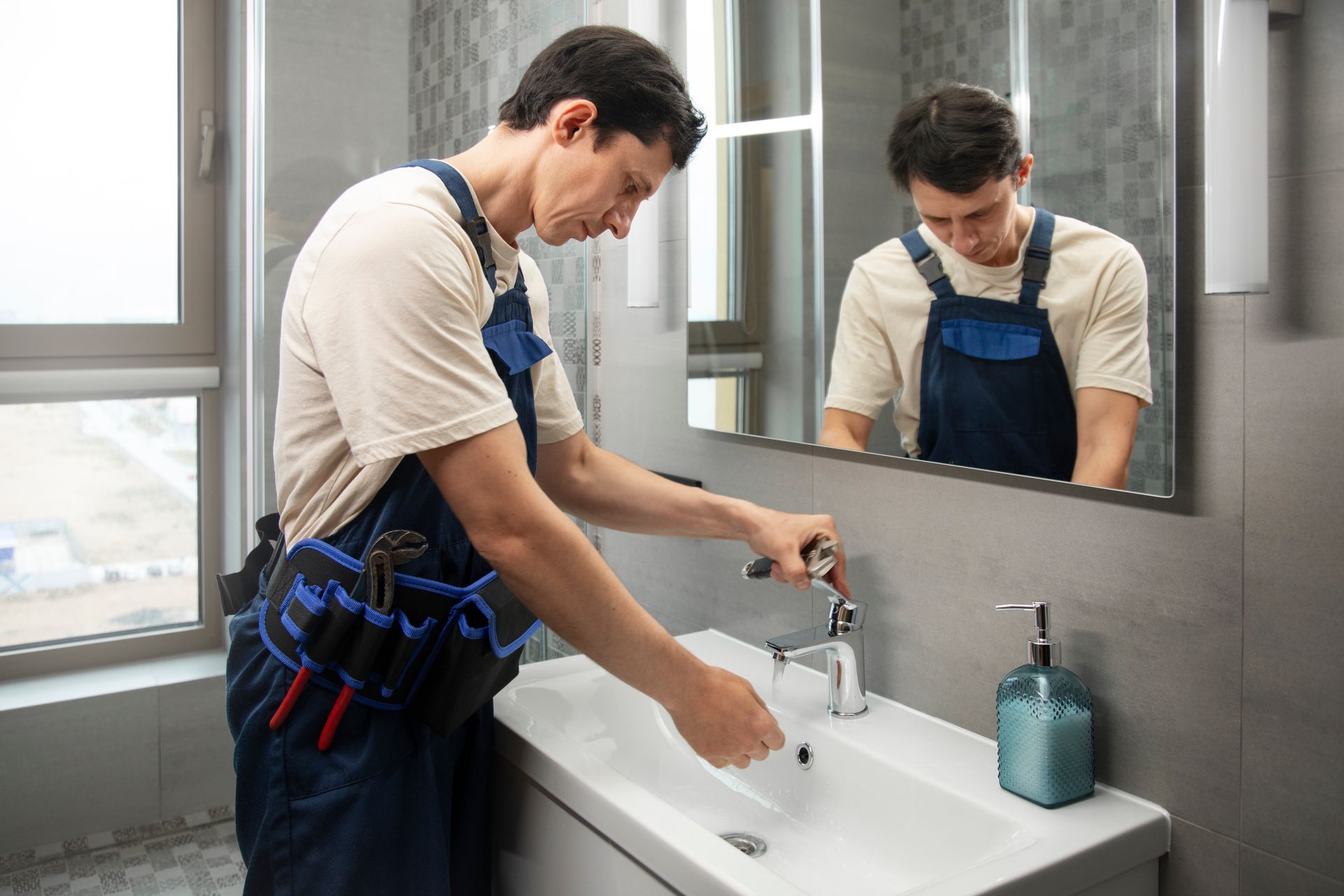
A basin wrench is built specifically for a faucet fitting in tight spaces. It reaches the nuts you can barely see, let alone grab.
This tool turns a frustrating, awkward job into something manageable. Without it, people usually end up twisting their arms in impossible angles and still not getting a proper grip.
It’s one of those tools you don’t think you need until the exact moment you really do.
Pipe Wrenches
Pipe wrenches are for the heavier stuff.
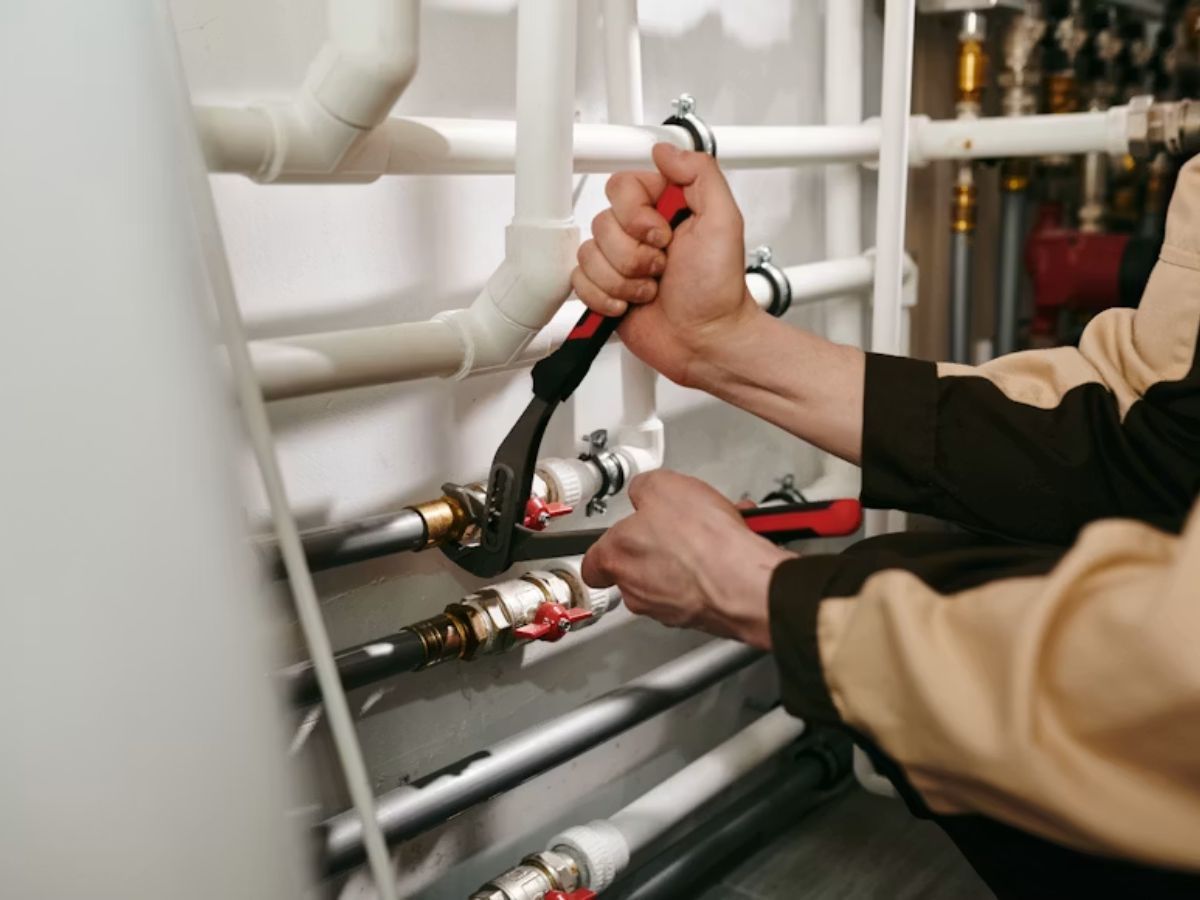
When working with large pipes or old pipes, you will need to use a wrench that will have great grip and won't slip off. That’s where these come in.
They’re commonly used in plumbing fixture installation & repair work, especially when replacing old metal pipes or adjusting exposed lines.
But here’s the catch. Over-tightening is a real problem. A lot of beginners think tighter is safer. It’s not. It can crack fittings or damage threads fast.
Plumber’s Tape and Pipe Sealant
This is the small stuff that saves you from big problems.
Plumbing tape is used to wrap threads for sealing, and pipe sealant serves the same purpose.
Skip this, and you might not notice anything right away. Then a slow leak shows up days later, usually in the worst possible spot.
Whether it’s Shower setup work or basic sink installation, sealing connections properly is non-negotiable.
Tubing Cutter
Clean cuts matter more than people think.
A tubing cutter gives you smooth, straight edges on pipes. That makes fittings sit properly and seal correctly.
In the case of "plumbing fixture installation" using copper or PVC pipes, poor quality cuts may lead to poor joints and potential leakages.
Using a hacksaw seems easier; however, there will be extra work required after that.
Plunger and Drain Tools
People forget about this part until it’s too late.
Even during new installations, debris can get into drains. Or a line might not flow the way it should after a Toilet installation or Shower setup.
A simple plunger or hand auger keeps things moving without having to stop everything and troubleshoot deeper issues right away.
It’s basic, but it saves time more often than you’d expect.
Level
This one gets overlooked a lot, then regretted later.
If a fixture is even slightly off, you’ll notice it every time you use it. A crooked sink or uneven Bathtub installation doesn’t just look bad. It can mess with drainage, too.
A level keeps everything aligned before you commit to sealing or tightening anything permanently.
It’s a simple check that prevents long-term annoyance.
Caulking Gun
This is what gives everything a finished edge.
The purpose of caulking is to seal openings around bathtubs, basins, showers, etc., in order to prevent water from infiltrating underneath them.
Good sealing also makes installations look clean, not rushed.
In plumbing fixture installations, caulking will be one of the last steps in the process to complete it.
Power Drill and Hole Saw Attachments
At some point, you’re going to need to make space where there isn’t any.
A power drill helps with mounting and adjustments. Hole saws help create clean openings for pipes or fittings when needed.
This shows up a lot in Shower setup and Bathtub installation work, where access points or anchors need to be created.
Trying to force things without proper drilling tools usually ends badly. Cracks, uneven cuts, or just wasted material.
Safety Equipment
Not exciting, but important.
When working in small or tight spaces, using gloves, safety goggles, and knee pads will make things easier.
This is because plumbing work normally entails sharp corners, old fittings that have rusted, as well as uncomfortable body postures.
Most pros don’t skip safety gear for a reason. It keeps small problems from turning into injuries.
When DIY Stops Making Sense
Some jobs stay simple. Others slowly turn into something bigger than expected.
Once you start dealing with hidden Pipe connections, old plumbing systems, or drainage issues, things can get complicated quickly.
That’s usually when people end up calling a local plumber for fixture installation after spending too much time trying to figure it out alone.
And honestly, that’s normal. Not every job is meant to be finished solo.
Understanding the Cost to Install Plumbing Fixtures
The Cost to install plumbing fixtures isn’t one fixed number. It depends on what you’re working with.
A few things that matter:
- Type of fixture
- Condition of existing pipes
- How easy it is to access the area
- Drain adjustments needed
- Labor time
- Any repairs hidden behind walls or floors
A simple Faucet fitting job is very different from a full Bathtub installation or a complex Shower setup replacement.
Older homes, especially, can surprise you once things are opened up. That’s why inspections matter before jumping in.
Final Thoughts
Good plumbing isn’t about rushing through a checklist. It’s about doing small things right so nothing comes back to bite you later.
Tools help, but they only go so far. Experience is what keeps everything clean, tight, and long-lasting.
At Apollo Sewer and Plumbing, we handle everything from simple Faucet fitting work to full-scale professional plumbing fixture installation projects. The goal is always the same. No shortcuts, no guessing, just solid work that holds up.
If your project starts feeling bigger than expected, it’s usually a good moment to bring someone in before small issues turn into expensive ones.
Frequently Asked Questions
What is plumbing fixture installation?
The task consists of fitting and connecting the sinks, toilets, showers, tubs, and faucets to the corresponding water and drainage supply lines. Sounds simple, but it’s not just “hook it up and done.” You’ve got sealing, alignment, testing, and making sure nothing leaks once the water actually runs through.
Can I install plumbing fixtures myself?
You can, especially for small stuff like a faucet fitting, if everything lines up right. But honestly, once you get into Pipe connections or anything behind walls, it gets tricky fast. One loose joint or bad seal can turn into a leak you don’t notice until damage is already done.
How much does plumbing fixture installation cost?
There’s no flat number for it. A basic Toilet installation or faucet job is usually on the lower end. But once you get into Bathtub installation or more complex setups, the price goes up. Old plumbing, tight access, or surprise pipe issues can also push costs higher without warning.
How long does it take to install plumbing fixtures?
Small jobs like Faucet fitting or a toilet swap usually take a couple of hours if things go smooth. Bigger installs like Shower setup or bathtubs can take half a day or more. And if pipes are old or need adjusting, add extra time. It rarely goes exactly “quick.”
What tools are needed for plumbing fixture installation?
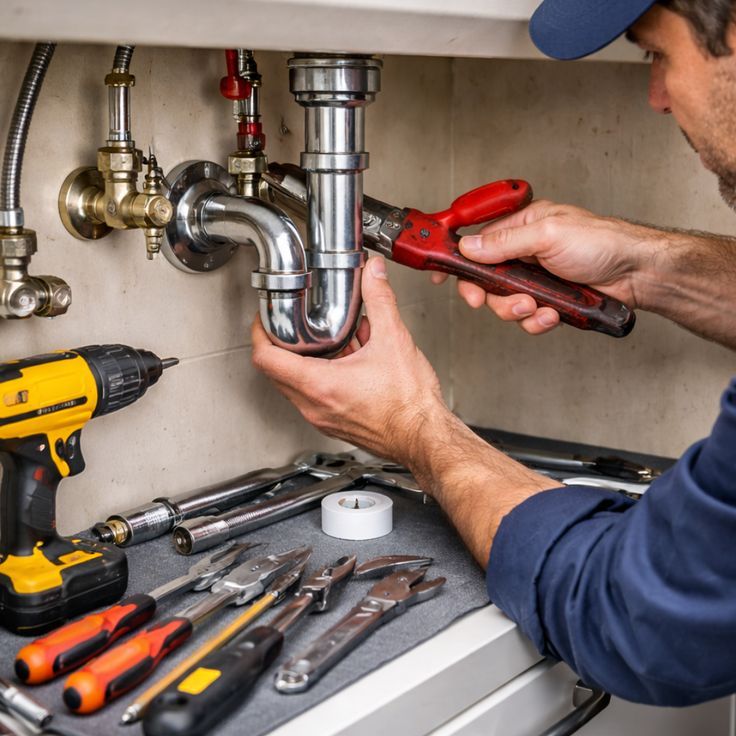
These are tools such as wrenches, pipe wrenches, basin wrenches, tubing cutters, drill, level, caulking gun, and plumber's tape. Every tool serves its function. Without them, installing plumbing fixtures becomes impossible, not only because of their lack but also due to possible nonconformity of joints.
Author Bio
Apollo Sewer & Plumbing, Inc. is a trusted full-service plumbing, sewer, and septic company in Keyport, NJ, serving residential and commercial customers throughout Central New Jersey. With over 50 years of experience, the company provides plumbing repairs, septic installation and repair, sewer and drain cleaning, hydro jetting, excavation, water heater services, and 24/7 emergency plumbing. Contact Apollo Sewer & Plumbing today for dependable service and a free quote.