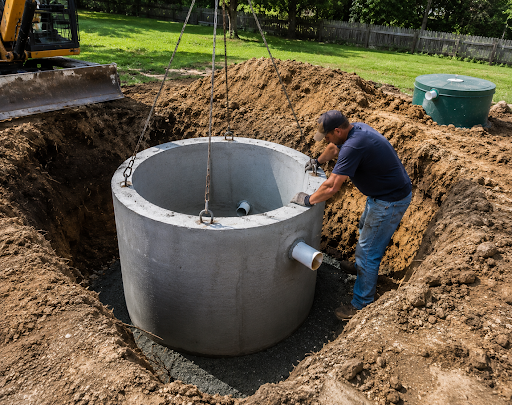
When Your Home Needs Septic Services

Septic systems are an essential part of many homes, managing waste efficiently and safely. But like any other home system, they require regular care and maintenance. Understanding when your septic system needs attention can prevent serious issues and save you from costly repairs.
Knowing the signs that your septic system might need servicing is the first step in maintaining its health. Slow draining sinks, unpleasant odors, and soggy spots in your yard can signal potential problems. Once you recognize these signs, scheduling a septic inspection is crucial. Inspections can help identify issues early, ensuring your system continues to function smoothly.
In addition to regular inspections, understanding common septic system repairs and solutions can be beneficial. Knowing what types of problems can occur and how they are typically resolved prepares you for any necessary fixes. Finally, maintaining a healthy septic system is about more than just addressing problems as they arise. Proactive tips and routines can keep your system functioning efficiently and extend its lifespan.
In this article, we will explore these critical aspects of septic care, offering practical advice to help you keep your home’s septic system in top condition. Whether you’re experiencing issues now or want to prevent future problems, understanding these key elements will help you manage your septic system effectively.
Signs Your Home Needs Septic Services
Recognizing the early signs that your septic system needs attention can save you from major issues later. Here are some clear indicators:
1. Slow Draining Sinks and Toilets: If you notice that your sinks, showers, or toilets are draining slower than usual, this might indicate a problem with your septic system. Slow drainage can be a sign that your septic tank is full or the pipes are clogged.
2. Unpleasant Odors: Bad smells near your septic tank or drain field are a strong signal that you need septic services. These odors can indicate a leak or overflow, which can be hazardous to your health and the environment.
3. Soggy or Green Patches in the Yard: Unexplained wet spots or patches of unusually green grass over your septic system are signs of trouble. This could mean that wastewater is leaking from the tank or pipes, saturating the ground above.
4. Gurgling Sounds: If you hear gurgling noises coming from your drains or toilets, it might mean there’s a blockage in your septic system. This sound happens when water or air is struggling to pass through the pipes.
5. Backing Up of Sewage: The most obvious and urgent sign is sewage backing up into your home. This is a serious problem that requires immediate professional help to prevent damage and health risks.
By keeping an eye out for these signs, you can catch septic issues early and call for professional help before the situation worsens.
Understanding the Septic Inspection Process
Regular inspections are essential to keeping your septic system in good shape. Understanding what happens during a septic inspection can help you know what to expect and ensure your system gets the care it needs. Here’s a breakdown of the septic inspection process:
1. Initial Assessment: The inspector starts with a visual inspection of the area around the septic tank and drain field. They look for signs of leakage, such as wet spots, lush vegetation, or unpleasant odors. The inspector also checks the age and condition of the system.
2. Locating and Opening the Tank: The next step is to locate the septic tank and remove the lid. This allows the inspector to examine the inside of the tank. They measure the sludge and scum layers to determine if the tank needs pumping.
3. Checking Components: The inspector examines all parts of the septic system, including the inlet and outlet baffles, the distribution box, and the drain field. They ensure that these components are in good working condition and not clogged or damaged.
4. Flow Test: During a flow test, the inspector runs water from the house to see how it flows through the system. This helps identify any blockages or restrictions in the pipes.
5. Detailed Report: After completing the inspection, the inspector provides a detailed report of their findings. This report includes the condition of the tank and other components, any issues detected, and recommendations for maintenance or repairs.
By understanding each step of the inspection process, you can stay informed about the health of your septic system and take proactive steps to keep it running smoothly.
Common Septic System Repairs and Solutions
Even with regular maintenance, septic systems can encounter problems that require repairs. Knowing common issues and their solutions helps you address them quickly and effectively. Here are some typical septic system repairs and how they are handled:
1. Tank Pumping: One of the most frequent septic services is tank pumping. Over time, the tank fills with sludge and scum, which need to be removed to prevent backups. A professional uses special equipment to pump out the waste, ensuring your system functions efficiently.
2. Baffle Replacement: Baffles in the septic tank help prevent solids from entering the drain field. If a baffle is damaged or missing, it needs replacement to avoid clogging the drain field. The process involves removing the old baffle and installing a new one.
3. Pipe Repair and Replacement: Pipes in the septic system can become clogged or damaged due to tree roots, ground movement, or age. Repairs may involve removing blockages or replacing sections of pipe to restore proper flow.
4. Drain Field Restoration: The drain field can become saturated or clogged, leading to poor drainage and wastewater surfacing. Solutions include soil remediation, adding new drain field trenches, or replacing the entire drain field, depending on the severity of the problem.
5. Riser and Lid Installation: Installing risers and new lids makes accessing the septic tank easier for inspections and pumping. This upgrade helps homeowners avoid digging to locate the tank lid each time service is needed.
By understanding these common repairs and their solutions, you can quickly address issues and keep your septic system running smoothly.
Tips for Maintaining a Healthy Septic System
Taking proactive steps to maintain your septic system can extend its lifespan and prevent costly repairs. Here are some simple tips to keep your septic system healthy:
1. Regular Pumping: Schedule regular pump-outs every three to five years, depending on your household size and usage. Regular pumping prevents the tank from overfilling and causing backups.
2. Water Conservation: Use water efficiently to reduce the load on your septic system. Fix leaks, install low-flow toilets and faucets, and spread out water usage throughout the day to avoid overwhelming the system.
3. Proper Waste Disposal: Avoid flushing non-biodegradable items like diapers, wipes, and feminine hygiene products. These can clog your system and cause damage. Dispose of hazardous chemicals properly as they can harm beneficial bacteria in the tank.
4. Protect the Drain Field: Keep heavy vehicles and structures away from the drain field area to prevent damage. Plant trees and shrubs at a safe distance to avoid root intrusion in the pipes.
5. Regular Inspections: Schedule regular septic system inspections to detect issues early. Inspections help identify problems before they become major repairs.
6. Septic-Safe Products: Use septic-safe cleaning products and detergents to maintain a healthy balance of bacteria in your tank. Harsh chemicals can kill beneficial bacteria that break down waste.
By following these tips, you can maintain a healthy septic system, avoid common problems, and ensure your system operates efficiently.
Conclusion
Keeping your septic system in good condition is essential for the health and safety of your home. Recognizing the signs that your system needs servicing, understanding the inspection process, being aware of common repairs, and following maintenance tips can help you manage your septic system more effectively. A well-maintained system reduces the risk of costly repairs and ensures that your home remains a clean and safe environment.
The importance of regular maintenance and timely repairs cannot be overstated. By staying proactive, you can prevent small issues from becoming major problems. If you notice any signs of trouble or need professional help with your septic system, don't hesitate to reach out.
For all your septic needs, contact Apollo Sewer & Plumbing. We are here to provide
24-hour plumber services, helping you keep your septic system functioning efficiently so you can enjoy peace of mind knowing your home is in good hands.
Author Bio
Apollo Sewer & Plumbing, Inc. is a trusted full-service plumbing, sewer, and septic company in Keyport, NJ, serving residential and commercial customers throughout Central New Jersey. With over 50 years of experience, the company provides plumbing repairs, septic installation and repair, sewer and drain cleaning, hydro jetting, excavation, water heater services, and 24/7 emergency plumbing. Contact Apollo Sewer & Plumbing today for dependable service and a free quote.