The 5 Must-Have Water Saving Devices for Your Home
Tom Sawyer • January 30, 2024

Water is our planet's most precious resource, and conserving it is a responsibility we all share. As homeowners, we have the opportunity to make a positive impact by incorporating water-saving devices into our home plumbing systems. By implementing these solutions, you not only save money on your utility bills but also help preserve the environment for future generations. In this article, Apollo Sewer & Plumbing will guide you through the top five water-saving devices that you can install in your home to maximize water conservation and efficiency.


When you choose to work with Apollo Sewer & Plumbing in Keyport, NJ, our expert team will help you select the best water-saving devices for your home and guide you through the entire installation process. Our commitment to outstanding service and customer satisfaction ensures that you can make informed decisions that benefit both your household and the environment. Let's dive into the world of water-saving devices and discover how you can make a big difference with just a few simple changes.


1. Low-Flow Faucets and Aerators


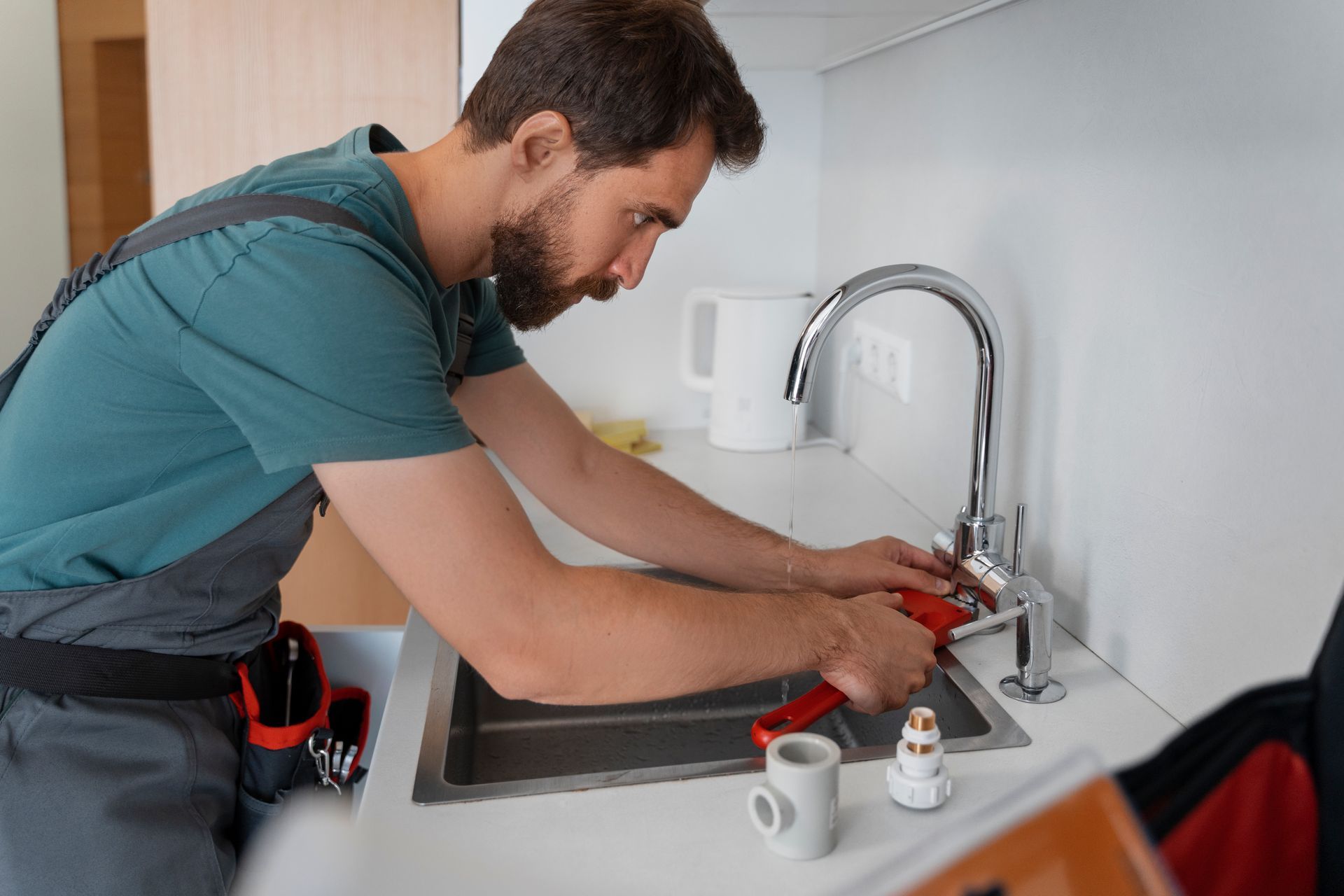
Low-flow faucets are designed to restrict the flow of water while still maintaining an adequate level of water pressure for everyday use. These faucets often incorporate an aerator to mix air with water, producing a controlled, high-pressure, splash-free stream. Installing low-flow faucets and aerators in your home can lead to significant water savings without sacrificing performance.


The benefits of these devices include:


- Substantial Water Savings: Low-flow faucets and aerators can reduce water usage by up to 60% compared to conventional faucets.

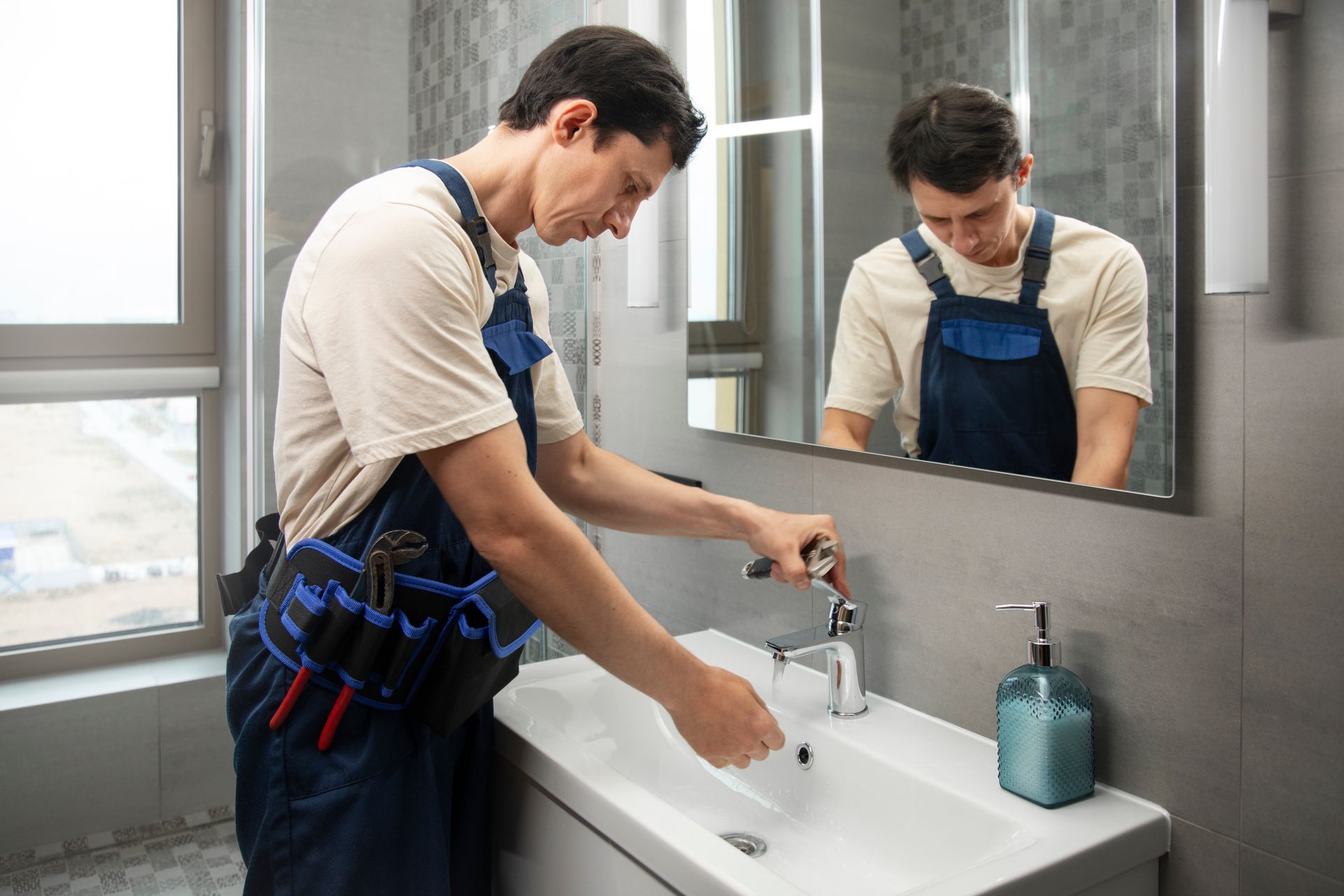
- Easy Installation: Retrofitting your existing faucets with low-flow aerators is a simple process, often only requiring a wrench to unscrew the old aerator and replace it with the new one.

- Cost-Effective: The minimal upfront investment can result in significant savings on your water bills in the long run.


2. High-Efficiency Showerheads


Traditional showerheads consume a large volume of water, especially during long showers. High-efficiency showerheads can lower water consumption by using innovative technologies such as air induction and various spray settings that maintain an enjoyable shower experience while using less water.


Key advantages of high-efficiency showerheads include:


- Water and Energy Savings: High-efficiency showerheads can save up to 2,300 gallons of water per year for an average family, also reducing energy costs since less water needs to be heated.

- Enhanced Performance: Despite using less water, these showerheads still provide a satisfying stream by using advanced spray patterns and pressure regulation.

- Easy Installation: Replacing your old showerhead with a high-efficiency option is straightforward and can usually be accomplished with a simple wrench.


3. Dual-Flush Toilets


A dual-flush toilet offers two flushing options: a low-volume flush for liquid waste and a high-volume flush for solid waste. By giving users more control over their water usage, these toilets promote water conservation.


Notable benefits of dual-flush toilets are:


- Significant Water Savings: Dual-flush toilets can save up to 67% more water than older, single-flush toilets.

- Environmentally Friendly: Reduced water consumption lowers both your water bills and your environmental footprint.

- Low Maintenance: Modern dual-flush toilets are designed for longevity and easy upkeep.


4. Smart Irrigation Controllers


Conventional irrigation systems often waste substantial amounts of water due to over-watering or inefficient scheduling. Smart irrigation controllers use real-time weather data and soil moisture sensors to customize watering patterns based on your landscaping needs, conserving water and promoting healthier plant growth.


Key features of smart irrigation controllers include:


- Adaptive Watering Schedules: Leveraging weather data to adjust watering times and durations based on actual plant requirements, reducing water waste.

- Remote Control: Many smart controllers offer smartphone apps for easy schedule adjustments or manual overrides.

- Water Bill Savings: By minimizing over-watering, smart irrigation controllers can save up to 50% of the water used by traditional irrigation systems.


5. Tankless Water Heaters


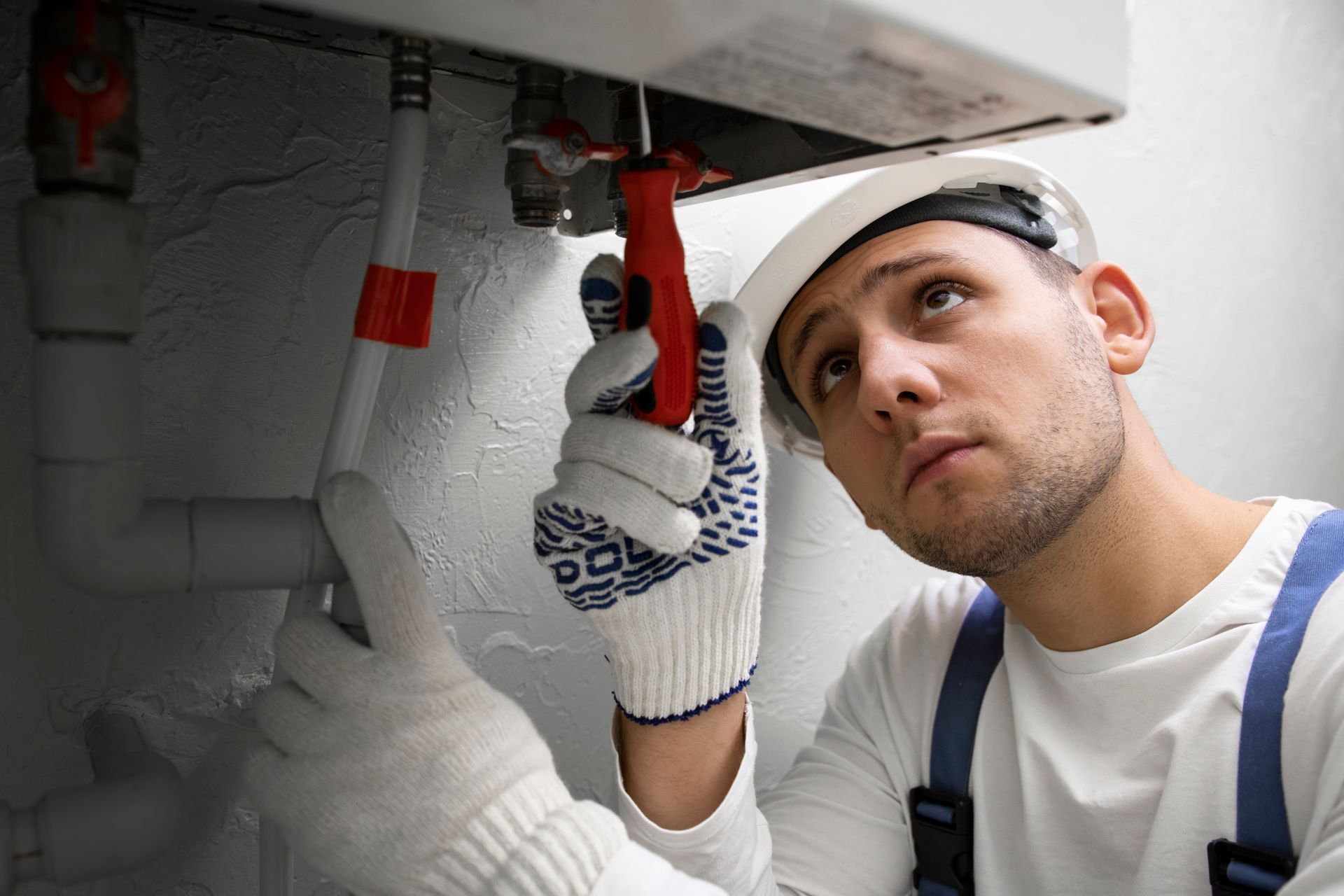
Unlike traditional storage tank water heaters, which maintain a large volume of water at a constant temperature, tankless water heaters heat water on demand as it flows through the unit. This technology eliminates standby heat loss, resulting in both water and energy savings.


Notable benefits of tankless water heaters include:


- Energy Efficiency: Tankless water heaters can be up to 34% more energy-efficient than storage tank water heaters, reducing your energy bills.

- Continuous Hot Water: With a properly sized unit, tankless water heaters provide a constant supply of hot water for your household needs.

- Space-Saving and Long-Lasting: Tankless water heaters are compact and typically have a longer lifespan than their traditional counterparts.


Make a Difference with Apollo Sewer & Plumbing


Investing in water-saving devices for your home not only conserves a precious resource but also provides long-term cost savings and benefits to the environment. Apollo Sewer & Plumbing is dedicated to helping homeowners explore options and implement water-saving solutions. Our expert team of plumbers in South Amboy, NJ, installs and services a wide range of water-efficient plumbing fixtures and systems, ensuring both expert advice and flawless installation. Contact Apollo Sewer & Plumbing today to schedule a consultation, and let us help you transform your home into a water-saving haven for years to come.

By Jay Caddle April 27, 2026
Septic systems don’t just fail out of nowhere. They usually warn you first, just in small ways that are easy to brush off. That is where septic tank repair services come in. What feels like a minor slow drain or a weird smell is often the start of a bigger issue building under the surface. In this blog, we will go through the real warning signs so you know what to look for before things turn into a costly mess. 1. Slow drains all over the house One slow sink is normal. But when your kitchen, shower, and toilet all start draining slow at the same time, that is not random. It usually means the septic tank is getting full or struggling to process waste. This is when people start looking for septic tank pumping services nearby, because the system is no longer keeping up. Ignore it, and you are basically waiting for a backup. 2. Bad smells that do not go away A small odor near a drain can sometimes happen. That is not always a big deal. But when that sewage smell starts showing up in your yard, bathroom, or basement, and it does not go away, something is wrong. It usually means waste gases are building up or the system is not breaking things down properly. At that point, you are past the “wait and see” stage and likely need septic tank cleaning services before it turns into something worse. 3. Standing water around the drain field Seeing wet patches or pooling water near your drain field is never normal. It is one of those signs people often ignore until it gets worse. A healthy system should drain underground cleanly. When the ground stays soggy or starts smelling, it usually means overload or failure, and that is when septic tank repair services are needed. 4. Gurgling sounds in pipes Hearing strange gurgling noises when you flush the toilet or run water is not normal. It often means air is trapped in the plumbing system because wastewater is not flowing correctly through the septic tank. People ignore this one more than they should, but it is usually an early warning sign that things are backing up. If caught early, a quick service call can prevent a full backup into the house. 5. Sewage backup in sinks or toilets This is the point nobody wants to reach. When sewage starts coming back through drains or toilets, the system is already overwhelmed. It is no longer a warning sign; it is an emergency. At this stage, most homeowners need help from local septic contractors in Old Bridge, NJ, right away to avoid damage and health risks. 6. Lush, unusually green grass over the septic area It can look like a good thing at first, but overly green grass over your septic area is not normal. It usually means wastewater is leaking into the soil and feeding the grass. That sounds harmless, but it actually means your system is failing underground and needs attention before it spreads. 7. It has been years since your last pump Even if everything seems fine, septic systems still need regular pumping to stay healthy. If it has been years since service, you are taking a risk. Solids build up quietly and cause overload, which is why scheduling septic tank pumping services nearby is not optional; it is prevention. Why acting early actually saves you money  Most septic issues do not start as emergencies. They start small. Slow drains. Weird smells. Minor yard changes. The problem is that people wait. By the time the system fully backs up, the cost of repairs jumps fast. That is why maintenance services exist in the first place. Things like septic tank cleaning services and routine inspections are not just optional upkeep. They are what keep the system from failing early. In areas like Old Bridge, having reliable help matters. Weather, soil conditions, and system age all play a role in how fast things break down. That is why working with affordable septic services in Old Bridge makes a real difference. You are not just paying for a fix. You are preventing a bigger one. Getting the right help before it turns into an emergency Septic issues don’t usually explode overnight. They creep in. A slow drain here, a weird smell there, and most people brush it off until it becomes a real problem. If you are noticing signs, here is what actually matters: Don’t wait, it only gets worse Get it checked early, before it turns into a backup Stop guessing, septic systems are not DIY territory Handle small issues now, not after damage shows up Bring in people who deal with this stuff every day Apollo Sewer & Plumbing handles everything from inspections to full septic tank repair services, especially the jobs that have already gone past “minor issue” territory. They are also one of the local septic contractors in Old Bridge, NJ people call when things turn urgent. Simple rule. If something feels off, it probably is. Fix it early and save yourself the headache later. Final thought Septic systems do not usually fail without warning. They give small signs first, and most of the time people notice them but push them aside. The real issue is not the problem itself, it is the delay. What starts as slow drains or a faint smell can quickly turn into something messy and expensive if it is ignored too long. Apollo Sewer & Plumbing helps homeowners catch these issues early with proper inspections, repairs, and maintenance before things get out of hand. [ Call Now for Septic Help ] FAQ How often should a septic tank be pumped? There is no one fixed rule, but most homes last somewhere around every 3 to 5 years. Bigger households usually need it sooner. If you are waiting until something smells or backs up, you are already late. That is why septic tank pumping services nearby are more about prevention than repair. What are the first signs that something is wrong with a septic system? It usually starts small. Drains are slowing down, toilets are acting weird, or a faint smell that comes and goes. Nothing dramatic at first. But when it starts happening in more than one place, it is your system telling you it is struggling and needs septic tank repair services. Is a bad smell from the yard or drains serious? Yes, more than people think. That smell is not normal air escaping. It usually means waste gases are not being handled properly or something is backing up underground. It might start light, but it does not stay that way. That is when septic tank cleaning services are needed before it spreads. What is the risk of ignoring septic issues? It never just stays the same. It gets worse. What starts as slow drains can turn into full sewage backup inside the house or a soggy yard that will not dry. Fixing it early is simple. Waiting turns it into a major repair. That is why regular service matters more than people realize.
septic tank
December 15, 2024
Learn how to maintain a healthy septic system at home with simple daily habits, identifying signs of trouble, and knowing when to call professionals.
commercial plumbing
December 15, 2024
Learn essential tips for maintaining commercial plumbing. Ensure your business runs smoothly with regular maintenance, common issue identification, and more.
plumbing system
December 8, 2024
Discover key plumbing tips for commercial buildings. Learn how to maintain systems, save water, tackle issues, and upgrade fixtures for efficiency.
sewer problem
December 8, 2024
Learn how to identify sewer problems early with these simple signs. Avoid big issues by spotting unpleasant odors, slow drains, and more.
Residential Excavation
December 2, 2024
Get tips on clearing obstacles, marking utility lines, managing noise, and planning debris removal for a successful residential excavation. Continue reading!
Septic System
December 2, 2024
In this blog, we learn to spot septic system issues early. Discover simple checks, common problems, and when to call a professional for help. Continue reading!
sewer inspection
November 24, 2024
Learn the key signs that indicate it's time to schedule a sewer inspection to prevent costly damage and maintain a healthy home. Read on!
 home septic system
November 24, 2024
Learn simple tips to maintain your home's septic system. Keep it working efficiently with easy daily habits and know when to call in the pros.
sewer service
November 18, 2024
Learn when to schedule a sewer inspection for your property. Discover signs, benefits, timing, and what to expect during the process.