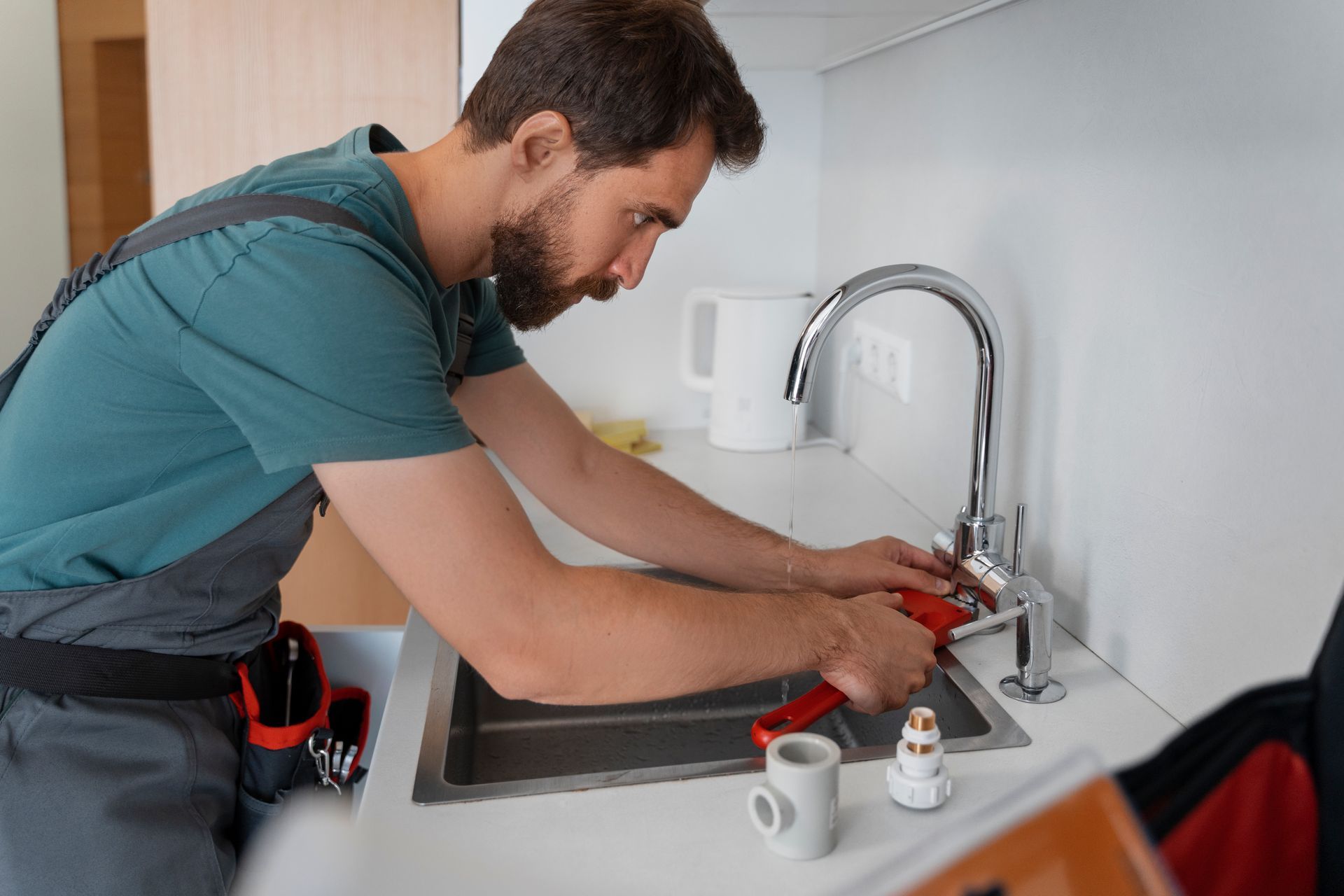
Easy Solutions for Clogged Drains in Your Home
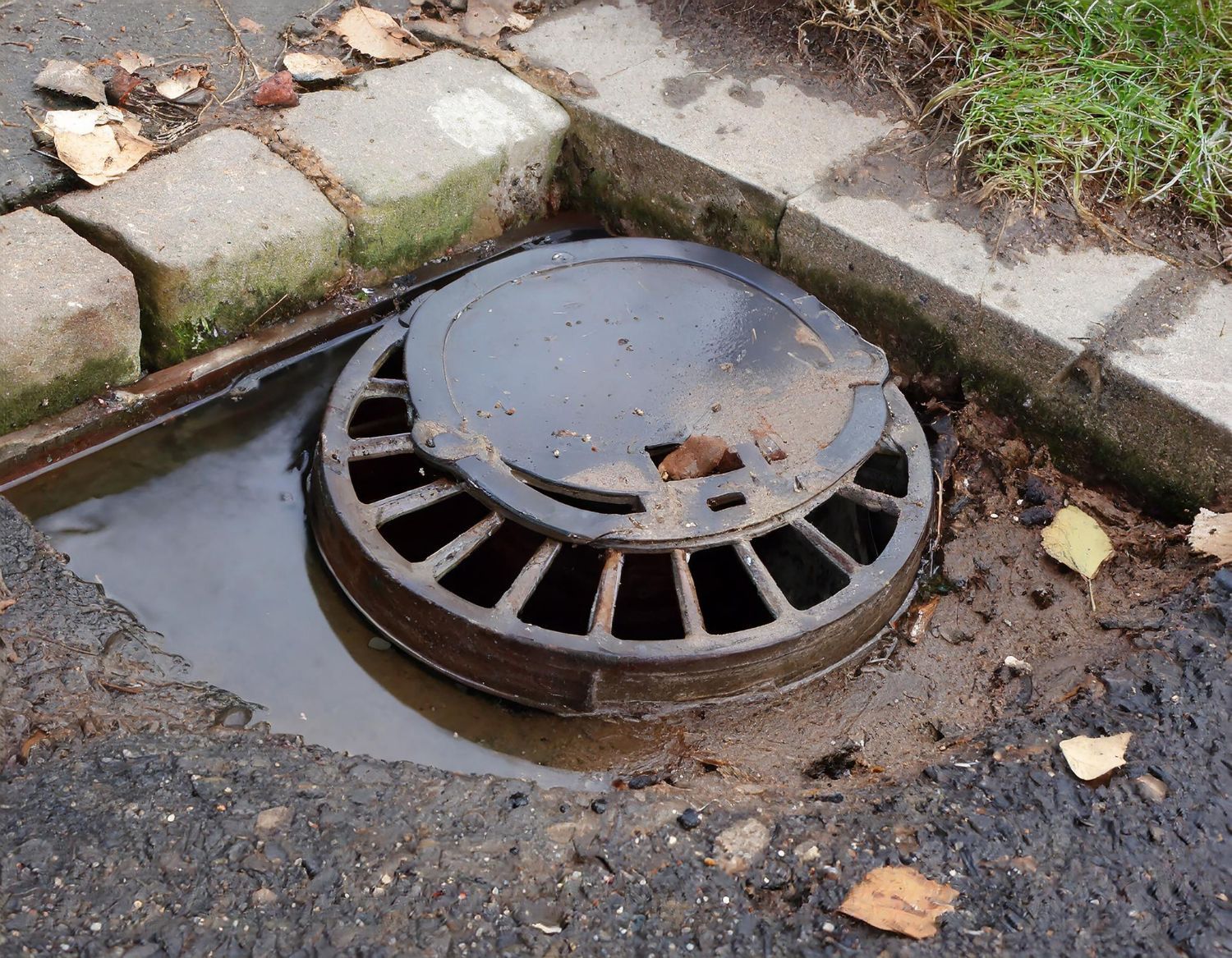
Clogged drains are one of the most common household problems. Whether it’s a slow-draining sink, a backed-up shower, or a completely clogged toilet, dealing with a blockage can be frustrating. Drains can become clogged for various reasons, such as hair, food particles, grease, and even soap scum. Fortunately, you don’t always need to call a professional plumber right away. There are easy solutions you can try at home to clear those blockages and keep your plumbing running smoothly.
Using a Plunger Effectively
One of the easiest and most effective tools for clearing a clogged drain is a plunger. It’s a staple in most households and can resolve many minor issues quickly. To use a plunger effectively, start by making sure you have the right type. For sinks and tubs, a cup plunger works best. For toilets, you'll need a flange plunger, which has an extended rubber lip to create a better seal.
First, if you are dealing with a sink or tub, ensure there’s enough water to cover the plunger’s rubber cup. This helps create the suction needed to dislodge the clog. Place the plunger over the drain and press down gently to form a seal. Then, push and pull the plunger vigorously without breaking the seal. The force generated should help dislodge whatever is blocking the drain.
For toilets, place the flange part of the plunger into the drain hole and start plunging with a similar push-pull motion. Make sure to keep the plunger fully submerged in water for it to work correctly. If you see the water level start to drop, you’re making progress. Continue until the clog is cleared and the water drains freely. Remember, patience is key. Sometimes it takes a bit of effort, but with persistent plunging, most clogs can be cleared.
Natural Remedies for Clogged Drains
If plunging doesn’t work, you can try natural remedies to clear the clog. These methods use common household items and are gentle on your pipes. One popular solution is the baking soda and vinegar method. Begin by pouring a pot of boiling water down the drain. This helps loosen any grease or soap scum.
Next, pour about half a cup of baking soda into the drain, followed by one cup of vinegar. The mixture will bubble and fizz, working to break down the clog. Let it sit for at least 15 minutes to be effective. After that, pour another pot of boiling water down the drain to flush out any remaining debris.
Another natural remedy is using salt and baking soda. Pour half a cup of salt and half a cup of baking soda down the drain. Let it sit for a couple of hours or overnight if possible. The abrasive nature of salt combined with baking soda’s cleaning power can help dislodge stubborn clogs. Finish by rinsing with boiling water.
These natural methods are a great first step before resorting to harsher chemical cleaners. They are safe, eco-friendly, and can often resolve minor clogs efficiently. If these methods don’t work, it may be time to consider other options, but always start with the gentlest solutions first.
When to Use Chemical Drain Cleaners
Chemical drain cleaners are powerful solutions designed to dissolve tough clogs. While they can be very effective, they should be used cautiously. These cleaners contain harsh chemicals that can corrode your pipes if used too often. Reserve chemical drain cleaners for the most stubborn clogs that natural remedies and plunging can’t fix.
Before using a chemical cleaner, read the instructions on the label carefully. Always wear gloves and safety goggles to protect yourself from splashes. Start by pouring the recommended amount of cleaner down the drain. Most products will require you to wait a specific period, usually 15-30 minutes, to let the chemicals work. During this time, keep the area well-ventilated to avoid inhaling fumes.
After the waiting period, flush the drain with plenty of hot water. This helps move the dissolved clog through the pipes and clears any remaining chemical residue. If the drain is still blocked, avoid using additional chemicals. Instead, consider calling a professional plumber, as persistent clogs may indicate a more serious issue.
Preventive Measures to Avoid Future Clogs
Preventing clogs is easier than dealing with them after they occur. Simple preventive measures can help keep your drains clear and flowing smoothly.
1. Use Drain Strainers: Place strainers over sink and shower drains to catch hair, food particles, and other debris. Clean the strainers regularly to prevent buildup.
2. Proper Disposal: Avoid pouring grease, coffee grounds, and food scraps down the kitchen sink. Grease can solidify and cause clogs, while coffee grounds and food can accumulate in pipes.
3. Regular Maintenance: Pour boiling water down your drains weekly to help dissolve soap scum and grease. You can also use a mixture of baking soda and vinegar once a month to keep the drains fresh.
4. Mind What You Flush: Only flush human waste and toilet paper down the toilet. Items like wipes, feminine hygiene products, and paper towels do not break down easily and can cause clogs.
5. Educate Your Family: Make sure everyone in the household knows what can and can’t go down the drains. This collective effort will help maintain a clog-free system.
Conclusion
Keeping your drains clear and flowing smoothly doesn’t have to be a daunting task. By understanding how to use a plunger effectively, trying natural remedies, knowing when to use chemical drain cleaners, and taking preventive measures, you can tackle most clogs on your own. Regular maintenance and mindful habits can prevent many clogs before they start, saving you time, money, and frustration.
If you encounter a clog that you can’t handle or need professional
sink drain plumbing advice, look no further than Apollo Sewer & Plumbing. We're here to help with all your plumbing needs, ensuring your drains remain clear and efficient. Contact us today and let us keep your plumbing in top shape!
Author Bio
Apollo Sewer & Plumbing, Inc. is a trusted full-service plumbing, sewer, and septic company in Keyport, NJ, serving residential and commercial customers throughout Central New Jersey. With over 50 years of experience, the company provides plumbing repairs, septic installation and repair, sewer and drain cleaning, hydro jetting, excavation, water heater services, and 24/7 emergency plumbing. Contact Apollo Sewer & Plumbing today for dependable service and a free quote.