Preventing and Fixing Frozen Pipes in Your Commercial and Residential Properties
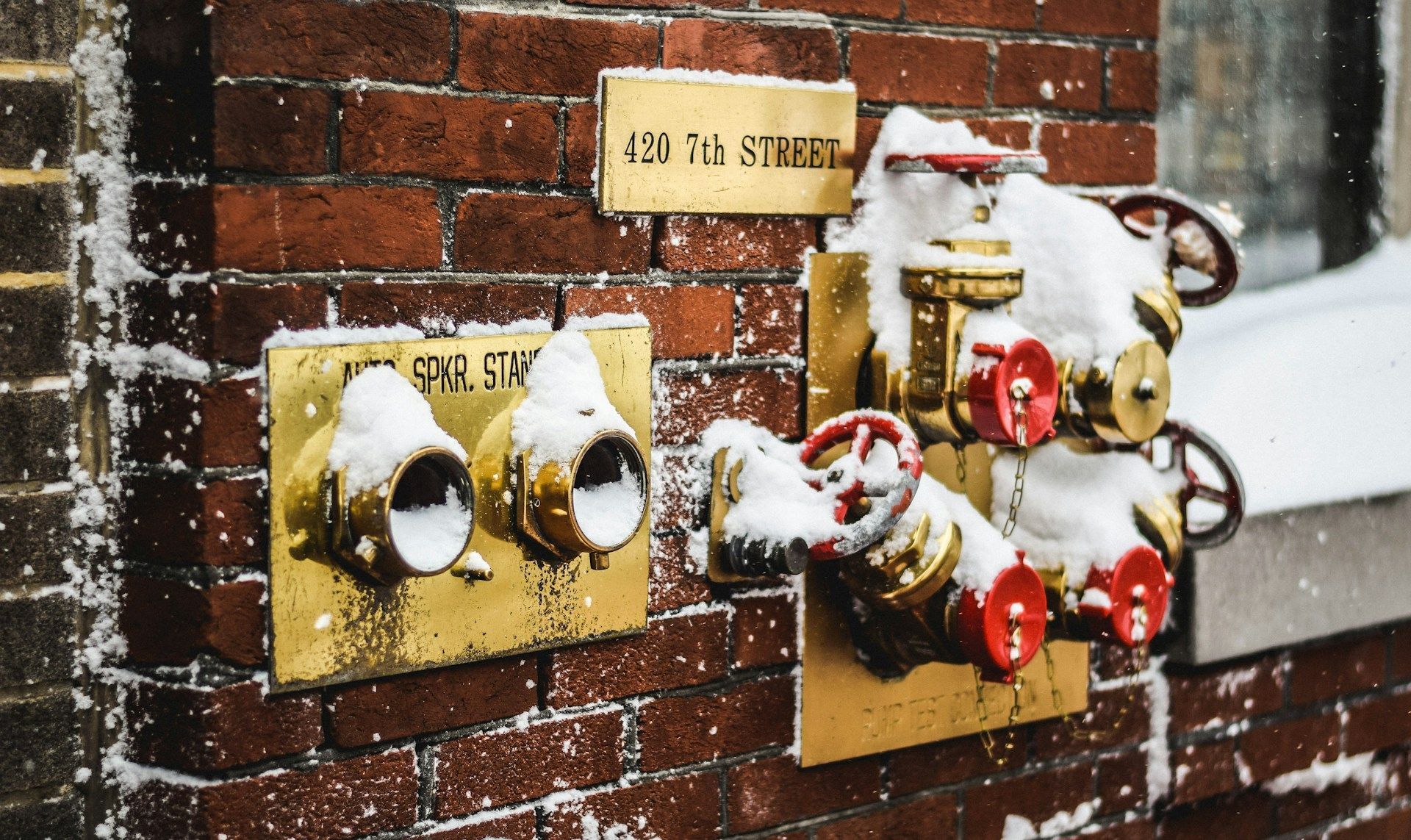
Winter weather can lead to various challenges for property owners, including the potential for frozen pipes. When water within your plumbing system freezes, it expands, exerting pressure on the pipes. This stress can result in cracks, leaks, or even burst pipes, causing extensive water damage and costly repairs.
At Apollo Sewer & Plumbing, we understand the risks posed by frozen pipes and the importance of prevention and timely intervention. In this blog, we provide essential tips to help you prevent frozen pipes in your commercial and residential properties, as well as how to address frozen pipes when they occur. Our goal is to help you protect your plumbing infrastructure and maintain a comfortable, functional environment for all occupants.
We will discuss crucial preventive measures, such as adequate insulation, maintaining optimal indoor temperatures, and disconnecting outdoor hoses. Additionally, we'll cover how to identify frozen pipes and perform DIY fixes or when to seek professional assistance.
By understanding the risks of frozen pipes, implementing preventive measures, and taking prompt action when freezing occurs, you can save on costly repairs and ensure the smooth operation of your plumbing system throughout the cold winter months.
Should you require professional assistance in addressing frozen pipes or any other plumbing and sewer-related issues, the experienced team at Apollo Sewer & Plumbing is here to help. Contact us today, and we'll be glad to provide the solutions you need for your property.
Implementing Preventive Measures for Frozen Pipes
Preventing frozen pipes is of utmost importance to save yourself the hassles and expenses associated with pipe repairs. Following these steps can minimize the risks of frozen pipes on your property:
1. Insulation: Ensure adequate insulation is in place for pipes located in attics, crawlspaces, and other unheated areas. Use insulation sleeves or foam pipe insulation to provide an extra layer of protection.
2. Maintain Optimal Indoor Temperature: Keep the indoor temperature of your property consistently above 55°F during the winter months, even when unoccupied. This can help maintain a warm environment and reduce the risk of frozen pipes.
3. Seal Drafts: Seal openings around windows, doors, and vents to prevent cold air from entering your property and potentially causing freezing in your pipes.
4. Disconnect Outdoor Hoses: Remove external hoses connected to faucets, drain the water, and store them indoors during the winter. Close indoor valves supplying water to outdoor hose bibs and open the hose bibs to allow any remaining water to escape.
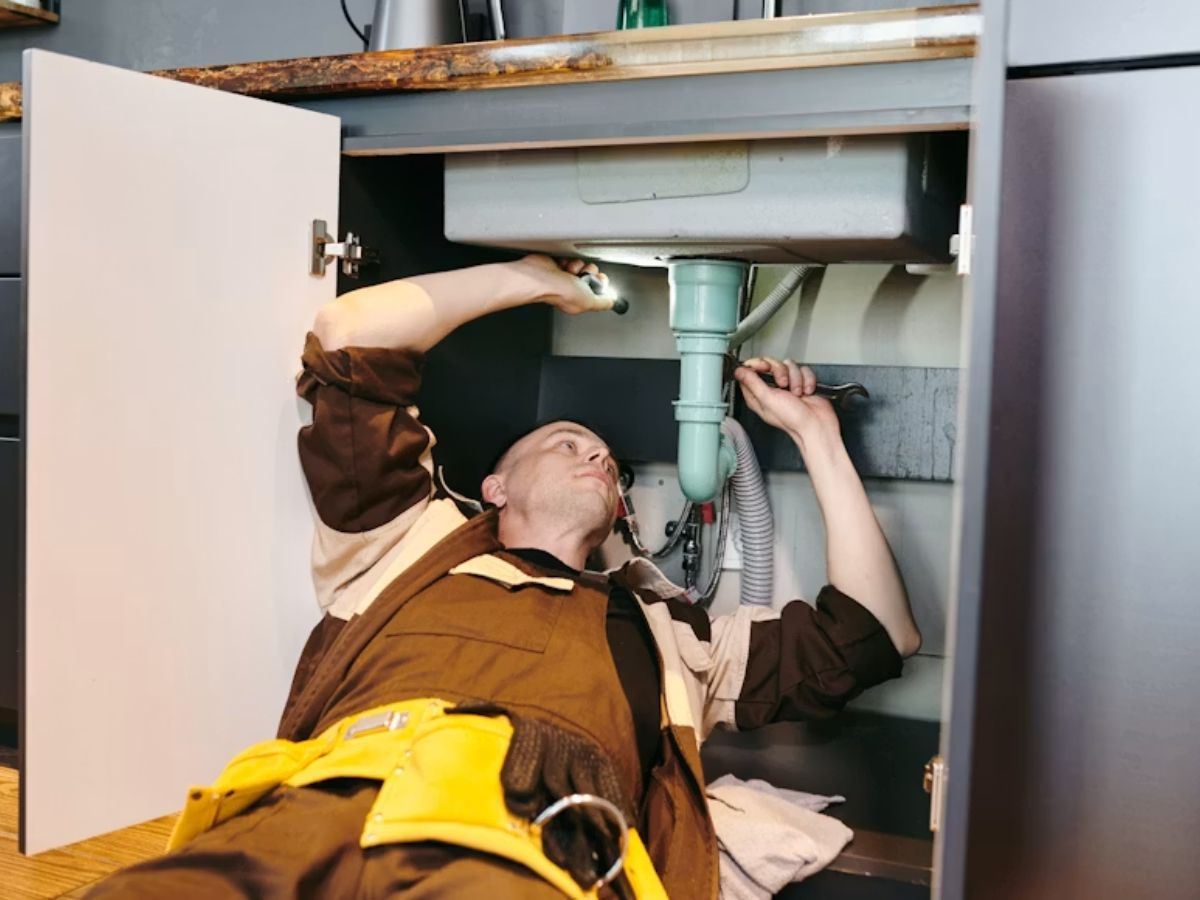
5. Open Cabinets: Open cabinet doors below sinks to enable warm air to circulate around pipes hidden inside.
Identifying and Assessing Frozen Pipes
Detecting frozen pipes as early as possible is essential to prevent further complications. Here's how you can identify and assess frozen pipes in your property:
1. Check for Obvious Signs: Inspect exposed pipes in unheated areas for visible signs of freezing, such as frost or bulging.
2. Investigate Temperature: If pipes feel unusually cold to the touch, this may indicate a potential issue.
3. Test the Water Flow: Turn on faucets and check for slow or no water flow, which may indicate a blockage caused by ice formation.
4. Listen for Unusual Sounds: Noises such as banging, clanking, or whistling can also signal the presence of frozen pipes.
Once you have identified any frozen pipes, assess the severity of the issue and determine whether DIY methods can effectively solve the problem or if professional intervention is required.
Remedying Frozen Pipes through DIY Fixes
If you determine that you can handle a frozen pipe problem on your own, follow these steps to safely and effectively thaw the pipes:
1. Turn Off the Water Supply: Shut off the main water supply to prevent further water flow and avoid potential damage if there's already a crack in the frozen pipe.
2. Open the Faucets: Open the faucet connected to the frozen pipe to allow water, steam, and pressure to escape during the thawing process.
3. Apply Gentle Heat: Using a hairdryer, heat lamp, or portable space heater, apply gentle heat to the frozen pipe section, starting closest to the faucet and working your way toward the coldest area. Avoid using open flame devices or excessive heat.
4. Monitor the Thawing Process: Continue applying heat until normal water flow is restored at the faucet. Be aware of any signs of cracks or leaks that may become apparent during the thawing process.
5. Inspect for Damage: Once the pipe is thawed, check for any visible signs of damage or leakage.
When to Seek Professional Help for Frozen Pipes
In some cases, attempting to thaw frozen pipes on your own may not be the best course of action. Seek professional help in the following situations:
1. Frozen Pipe Location: If the frozen pipe is inaccessible or located in a hard-to-reach area, such as within walls or under your property.
2. Thawing Failure: If DIY thawing methods have been unsuccessful, and the pipe remains frozen.
3. Damaged Pipes: If you notice any signs of cracks, leaks, or damage to the pipe during the inspection or thawing process.
4. Multiple Frozen Pipes: When your property is facing multiple instances of frozen pipes, a professional plumber can systematically address all issues efficiently and effectively.
Protect Your Property from Frozen Pipes with Proactive Measures and Expert Assistance
Preventing and addressing frozen pipes is critical in ensuring a well-functioning plumbing system and avoiding costly repairs and damages to your property. By proactively implementing preventive measures, regularly inspecting your plumbing infrastructure, and seeking prompt professional assistance when necessary, you can mitigate the risks posed by frozen pipes.
For expert help with frozen pipes and all your other
plumbing and sewer-related needs, trust the experienced team at Apollo Sewer & Plumbing. Contact us today, and we'll be happy to provide the reliable solutions that your property deserves.
Author Bio
Apollo Sewer & Plumbing, Inc. is a trusted full-service plumbing, sewer, and septic company in Keyport, NJ, serving residential and commercial customers throughout Central New Jersey. With over 50 years of experience, the company provides plumbing repairs, septic installation and repair, sewer and drain cleaning, hydro jetting, excavation, water heater services, and 24/7 emergency plumbing. Contact Apollo Sewer & Plumbing today for dependable service and a free quote.