Plumbing Emergencies: Unveiling Its Impact and Finding Effective Solutions
Tom Sawyer • February 20, 2024
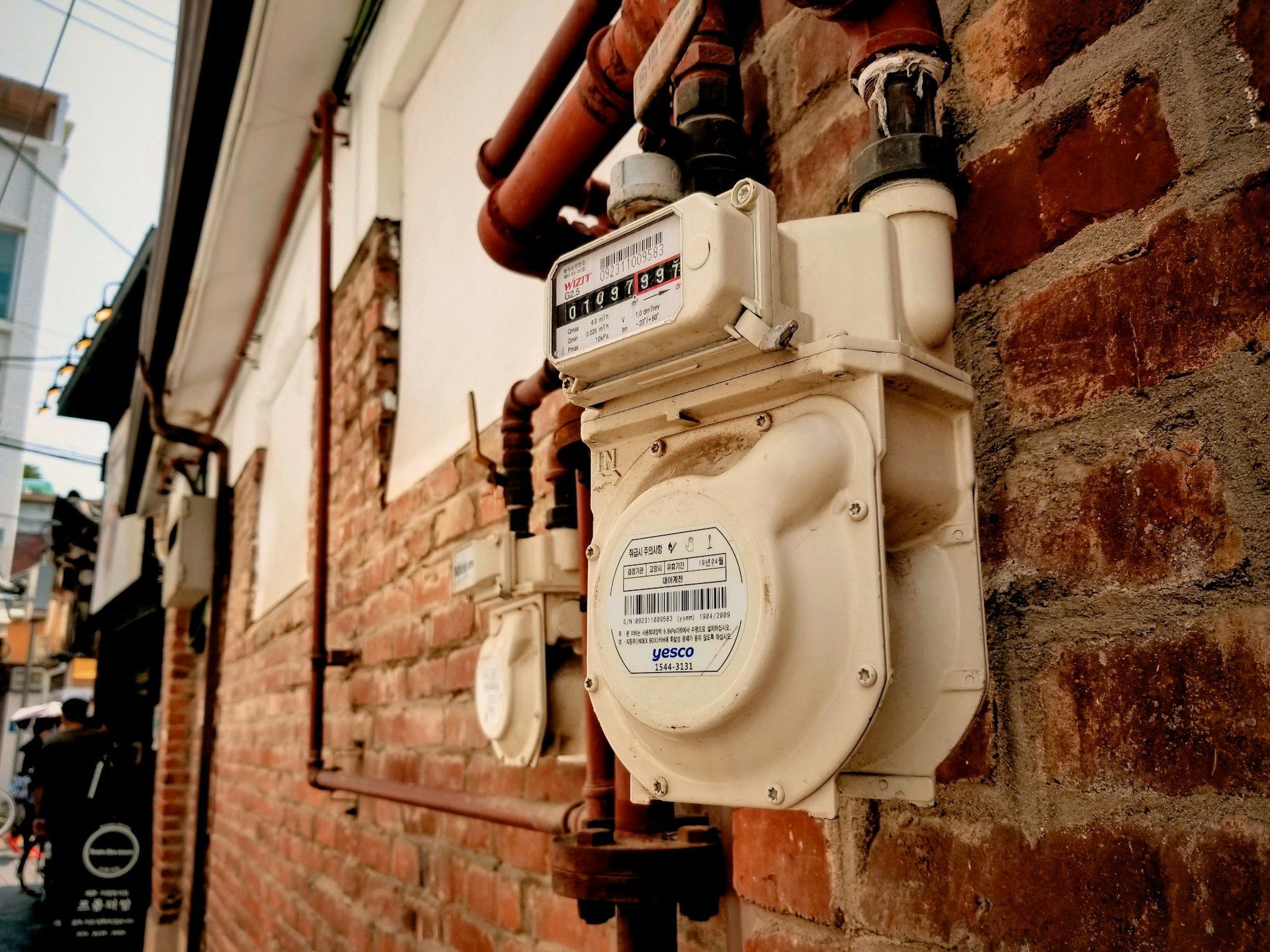
water meter

Plumbing emergencies can strike when you least expect them, causing significant inconvenience and, in some cases, extensive damage to your property. Homeowners must be prepared to deal with these unexpected occurrences and understand where to seek professional assistance. In this article, we will discuss the impact of plumbing emergencies, outline the steps you can take to minimize damage, and illustrate how Apollo Sewer & Plumbing can provide the necessary expertise to tackle these challenging situations effectively.


From burst pipes to severe drain blockages, plumbing emergencies come in various forms, and each warrants prompt attention to prevent further issues. By engaging the trusted services of Apollo Sewer & Plumbing, you can ensure that your home remains protected and functional during any plumbing crisis. Read on to learn how to arm yourself with the knowledge and resources required to handle plumbing emergencies with confidence and efficiency.


1. Insulate Your Pipes


One of the most effective ways to protect your plumbing system from freezing temperatures is to insulate any exposed pipes. Proper insulation can prevent pipes from freezing, bursting, and causing potential water damage. Follow these steps to insulate your pipes:


- Identify exposed pipes in your basement, crawl spaces, and unheated areas like garages.

- Use pipe insulation materials, such as foam rubber or fiberglass sleeves, available from your local hardware store to cover the exposed pipes.

- Seal gaps in exterior walls where pipes enter your home with expandable foam or caulking.


Ensuring your pipes have adequate insulation can save you from unnecessary repairs and expenses in the long run.


2. Maintain Consistent Indoor Temperature


Keeping your home at a consistent and warm temperature is another proactive measure you can take to prevent frozen pipes. During the winter months, it's essential to:


- Set your thermostat to maintain an indoor temperature of at least 55°F (13°C), even when you are not at home or at night.

- Open cabinet doors under sinks to allow warm air to circulate around the pipes.

- Avoid drafts by sealing gaps around windows and doors with weatherstripping or caulk.


By taking these steps, you can help maintain your plumbing system's overall functionality throughout the winter.


3. Winterize Outdoor Faucets and Plumbing


Outdoor plumbing is particularly vulnerable to colder temperatures, so it's crucial to winterize these elements to prevent damage. Here's how you can safeguard your outdoor faucets and plumbing fixtures:


- Disconnect garden hoses and store them indoors.

- Drain water from hose bibs and shut off the water supply, leading to outdoor faucets.

- Install outdoor faucet covers to provide added insulation against freezing temperatures.

- Remove water from sprinkler systems by evaporating or using air compressors to blow the water out.


Following these steps will minimize the risk of outdoor plumbing-related problems during winter.


4. Protect Your Water Heater


A well-functioning water heater is vital during colder months to ensure you have a steady supply of hot water. Protect and maintain your water heater by:


- Checking that the temperature setting is around 120°F (49°C) for optimal performance and safety.

- Insulating the hot water pipes leading from the water heater to prevent heat loss.

- Flushing the water heater to remove sediment buildup, allowing it to heat water more efficiently.

- Scheduling annual inspections and tune-ups with expert plumbers, such as the professionals at Apollo Sewer & Plumbing.


Keeping your water heater in good working order can ultimately save you money on energy bills and prevent untimely breakdowns.


5. Prepare for Extended Absences


If you plan to be away from your home for an extended period during winter, take additional precautions to protect your plumbing system. Key steps include:


- Set your thermostat to maintain a constant temperature no lower than 55°F (13°C) to protect your pipes from freezing.

- Shut off the main water valve and open faucets to drain the remaining water from the pipes.

- Turn off your water heater to save energy and avoid potential issues in case of water heater failure.


Taking these precautionary measures can save you the stress of returning home to significant plumbing issues.


6. Check and Repair Any Leaks


Before winter sets in, conduct a thorough inspection of your plumbing system for any leaks or signs of damage. Identifying and fixing these problems early can prevent complications during freezing temperatures. Pay close attention to:


- Faucets, both indoor and outdoor, for any signs of dripping, which may indicate a malfunctioning gasket or O-ring.

- Exposed pipes for signs of corrosion, leaks, or wear that may require repairs or replacement.

- Unusually high water bills, which could signal hidden leaks within the plumbing system.


If you discover any issues, schedule an appointment with Apollo Sewer & Plumbing to have the necessary repairs completed before the cold weather arrives.


7. Create an Emergency Plumbing Plan


Despite your best efforts, plumbing emergencies can still happen during winter. Creating an emergency plumbing plan can help minimize damage and simplify the process of handling such situations. Crucial steps in your emergency plan should include:


- Familiarize yourself with the location of the main water shut-off valve so you can quickly turn off the water supply in case of a burst pipe or major leak.

- Ensure every member of the household knows the location of the shut-off valve and how to turn it off.

- Compile a list of emergency contact numbers, including your preferred plumbers like Apollo Sewer & Plumbing, and keep it accessible in case of a plumbing emergency.


By preparing in advance, you can respond promptly and effectively to unforeseen plumbing crises and minimize potential damage to your home.


Keep Your Plumbing System Safe and Secure This Winter


By proactively preparing your plumbing system for the winter months, you can help ensure a warm and comfortable home environment with a reduced risk of plumbing emergencies. Following the checklist we've provided will go a long way in addressing potential problems and maintaining your plumbing system's overall health during colder weather. Remember that prevention is always better than dealing with the aftermath of a plumbing disaster.


If you're in need of expert guidance or assistance to prepare your plumbing for winter or to address any winter-related plumbing issues, look no further than Apollo Sewer & Plumbing. With years of experience and a commitment to excellent service, our skilled plumbers in Keyport, NJ, are ready to help keep your home's plumbing system in top shape. Contact us today to schedule a service appointment and enjoy a worry-free winter season.

By Jay Caddle April 27, 2026
Septic systems don’t just fail out of nowhere. They usually warn you first, just in small ways that are easy to brush off. That is where septic tank repair services come in. What feels like a minor slow drain or a weird smell is often the start of a bigger issue building under the surface. In this blog, we will go through the real warning signs so you know what to look for before things turn into a costly mess. 1. Slow drains all over the house One slow sink is normal. But when your kitchen, shower, and toilet all start draining slow at the same time, that is not random. It usually means the septic tank is getting full or struggling to process waste. This is when people start looking for septic tank pumping services nearby, because the system is no longer keeping up. Ignore it, and you are basically waiting for a backup. 2. Bad smells that do not go away A small odor near a drain can sometimes happen. That is not always a big deal. But when that sewage smell starts showing up in your yard, bathroom, or basement, and it does not go away, something is wrong. It usually means waste gases are building up or the system is not breaking things down properly. At that point, you are past the “wait and see” stage and likely need septic tank cleaning services before it turns into something worse. 3. Standing water around the drain field Seeing wet patches or pooling water near your drain field is never normal. It is one of those signs people often ignore until it gets worse. A healthy system should drain underground cleanly. When the ground stays soggy or starts smelling, it usually means overload or failure, and that is when septic tank repair services are needed. 4. Gurgling sounds in pipes Hearing strange gurgling noises when you flush the toilet or run water is not normal. It often means air is trapped in the plumbing system because wastewater is not flowing correctly through the septic tank. People ignore this one more than they should, but it is usually an early warning sign that things are backing up. If caught early, a quick service call can prevent a full backup into the house. 5. Sewage backup in sinks or toilets This is the point nobody wants to reach. When sewage starts coming back through drains or toilets, the system is already overwhelmed. It is no longer a warning sign; it is an emergency. At this stage, most homeowners need help from local septic contractors in Old Bridge, NJ, right away to avoid damage and health risks. 6. Lush, unusually green grass over the septic area It can look like a good thing at first, but overly green grass over your septic area is not normal. It usually means wastewater is leaking into the soil and feeding the grass. That sounds harmless, but it actually means your system is failing underground and needs attention before it spreads. 7. It has been years since your last pump Even if everything seems fine, septic systems still need regular pumping to stay healthy. If it has been years since service, you are taking a risk. Solids build up quietly and cause overload, which is why scheduling septic tank pumping services nearby is not optional; it is prevention. Why acting early actually saves you money  Most septic issues do not start as emergencies. They start small. Slow drains. Weird smells. Minor yard changes. The problem is that people wait. By the time the system fully backs up, the cost of repairs jumps fast. That is why maintenance services exist in the first place. Things like septic tank cleaning services and routine inspections are not just optional upkeep. They are what keep the system from failing early. In areas like Old Bridge, having reliable help matters. Weather, soil conditions, and system age all play a role in how fast things break down. That is why working with affordable septic services in Old Bridge makes a real difference. You are not just paying for a fix. You are preventing a bigger one. Getting the right help before it turns into an emergency Septic issues don’t usually explode overnight. They creep in. A slow drain here, a weird smell there, and most people brush it off until it becomes a real problem. If you are noticing signs, here is what actually matters: Don’t wait, it only gets worse Get it checked early, before it turns into a backup Stop guessing, septic systems are not DIY territory Handle small issues now, not after damage shows up Bring in people who deal with this stuff every day Apollo Sewer & Plumbing handles everything from inspections to full septic tank repair services, especially the jobs that have already gone past “minor issue” territory. They are also one of the local septic contractors in Old Bridge, NJ people call when things turn urgent. Simple rule. If something feels off, it probably is. Fix it early and save yourself the headache later. Final thought Septic systems do not usually fail without warning. They give small signs first, and most of the time people notice them but push them aside. The real issue is not the problem itself, it is the delay. What starts as slow drains or a faint smell can quickly turn into something messy and expensive if it is ignored too long. Apollo Sewer & Plumbing helps homeowners catch these issues early with proper inspections, repairs, and maintenance before things get out of hand. [ Call Now for Septic Help ] FAQ How often should a septic tank be pumped? There is no one fixed rule, but most homes last somewhere around every 3 to 5 years. Bigger households usually need it sooner. If you are waiting until something smells or backs up, you are already late. That is why septic tank pumping services nearby are more about prevention than repair. What are the first signs that something is wrong with a septic system? It usually starts small. Drains are slowing down, toilets are acting weird, or a faint smell that comes and goes. Nothing dramatic at first. But when it starts happening in more than one place, it is your system telling you it is struggling and needs septic tank repair services. Is a bad smell from the yard or drains serious? Yes, more than people think. That smell is not normal air escaping. It usually means waste gases are not being handled properly or something is backing up underground. It might start light, but it does not stay that way. That is when septic tank cleaning services are needed before it spreads. What is the risk of ignoring septic issues? It never just stays the same. It gets worse. What starts as slow drains can turn into full sewage backup inside the house or a soggy yard that will not dry. Fixing it early is simple. Waiting turns it into a major repair. That is why regular service matters more than people realize.
septic tank
December 15, 2024
Learn how to maintain a healthy septic system at home with simple daily habits, identifying signs of trouble, and knowing when to call professionals.
commercial plumbing
December 15, 2024
Learn essential tips for maintaining commercial plumbing. Ensure your business runs smoothly with regular maintenance, common issue identification, and more.
plumbing system
December 8, 2024
Discover key plumbing tips for commercial buildings. Learn how to maintain systems, save water, tackle issues, and upgrade fixtures for efficiency.
sewer problem
December 8, 2024
Learn how to identify sewer problems early with these simple signs. Avoid big issues by spotting unpleasant odors, slow drains, and more.
Residential Excavation
December 2, 2024
Get tips on clearing obstacles, marking utility lines, managing noise, and planning debris removal for a successful residential excavation. Continue reading!
Septic System
December 2, 2024
In this blog, we learn to spot septic system issues early. Discover simple checks, common problems, and when to call a professional for help. Continue reading!
sewer inspection
November 24, 2024
Learn the key signs that indicate it's time to schedule a sewer inspection to prevent costly damage and maintain a healthy home. Read on!
 home septic system
November 24, 2024
Learn simple tips to maintain your home's septic system. Keep it working efficiently with easy daily habits and know when to call in the pros.
sewer service
November 18, 2024
Learn when to schedule a sewer inspection for your property. Discover signs, benefits, timing, and what to expect during the process.