How to Keep Your Office Plumbing Problem-Free
Maintaining a smoothly running office is crucial for productivity and a positive working environment. One often overlooked aspect is the plumbing system, which plays a vital role in daily operations. From restrooms and breakrooms to heating systems and water supplies, a well-functioning plumbing system ensures that everything runs without a hitch.
Plumbing issues in an office setting can lead to disruptions, costly repairs, and even health concerns if not attended to promptly. Imagine the inconvenience of a clogged restroom or a leaky pipe in the breakroom. Such problems can cause discomfort and lower employee morale. Hence, keeping the office plumbing problem-free should be a priority.
Fortunately, preventing plumbing issues in your office doesn’t have to be overwhelming. By incorporating regular maintenance tips, recognizing early signs of problems, adopting environmentally friendly practices, and being prepared for emergencies, you can ensure a hassle-free plumbing system. These proactive steps not only extend the lifespan of your plumbing but also contribute to a safer and more productive workplace.
Regular Maintenance Tips for Office Plumbing
Keeping your office plumbing in top shape requires regular maintenance. This not only helps prevent major issues but also extends the life of your plumbing fixtures.
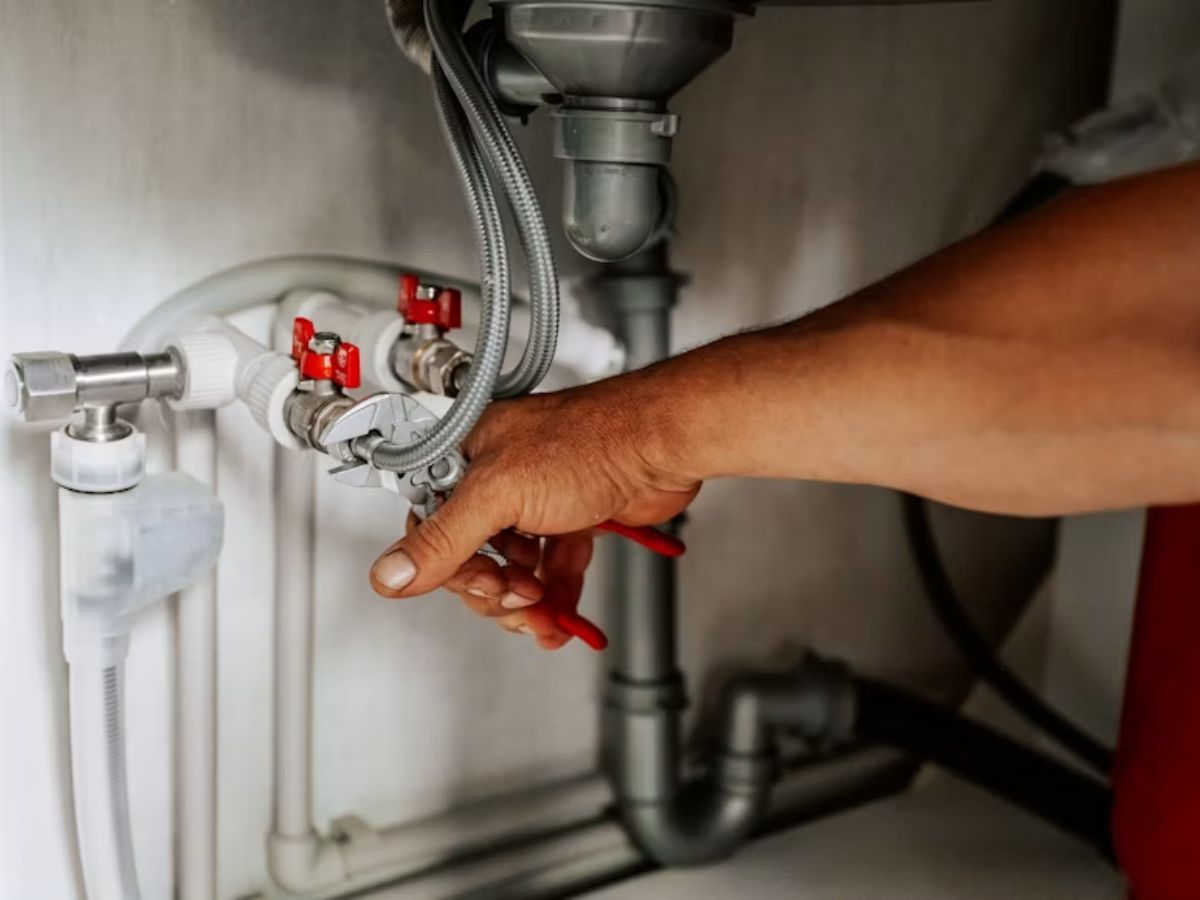
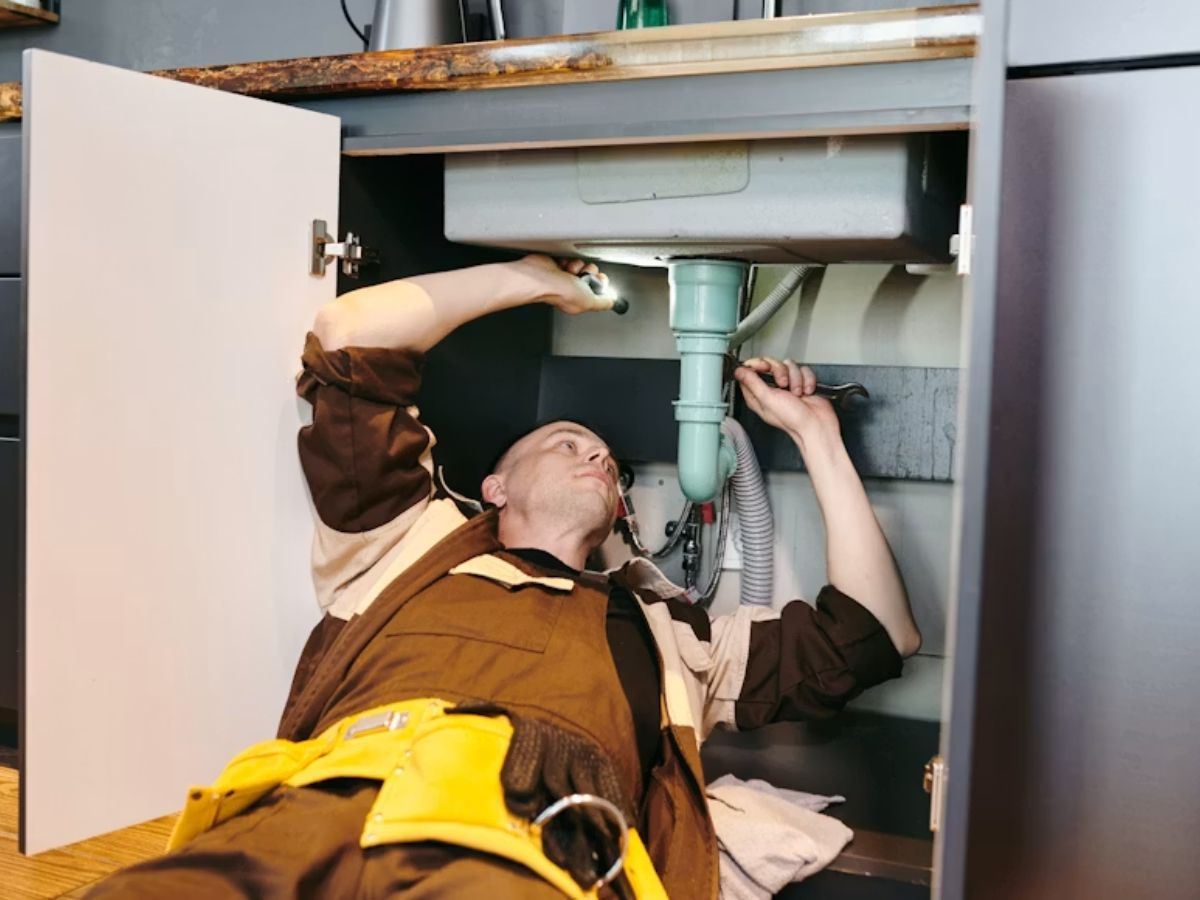
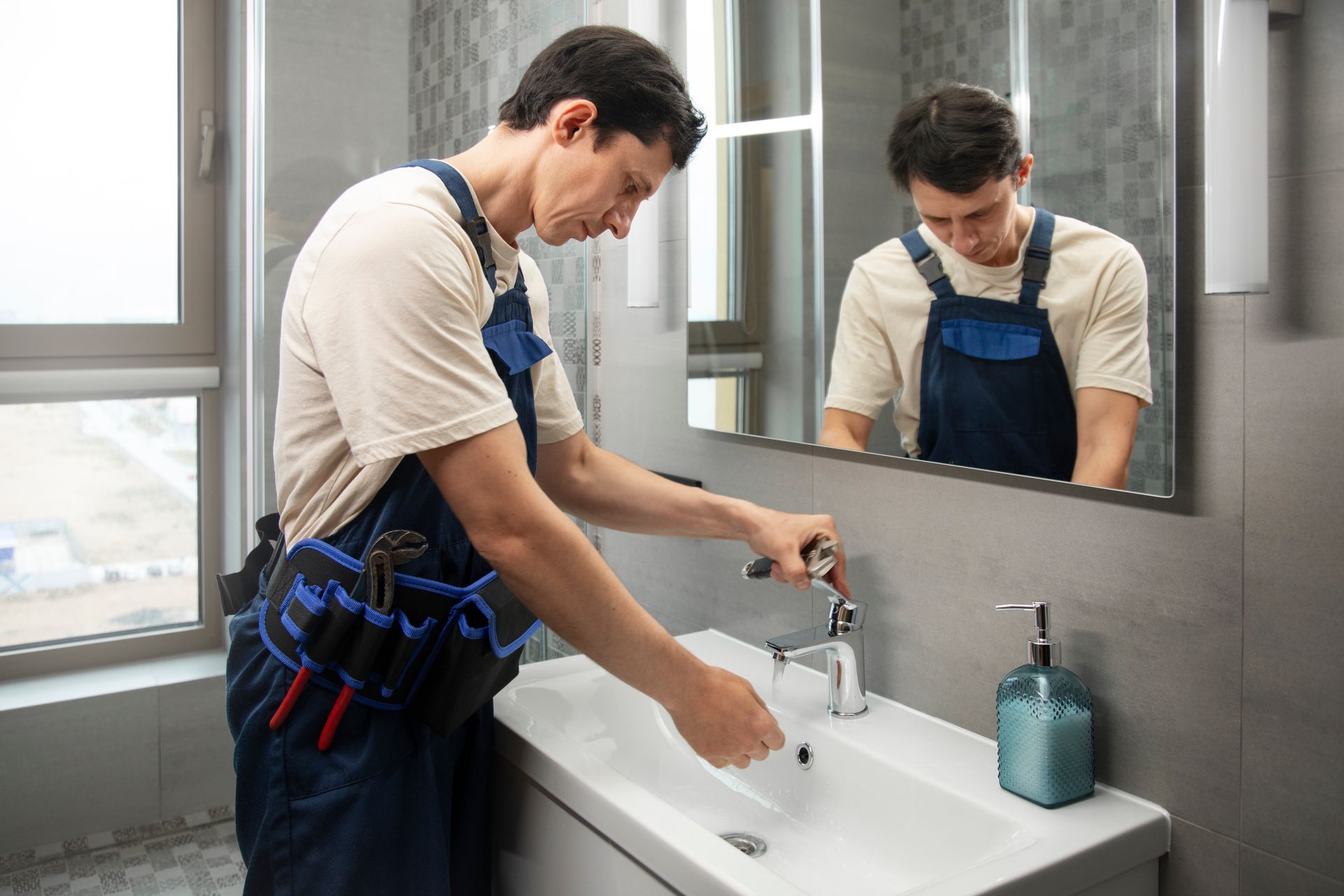
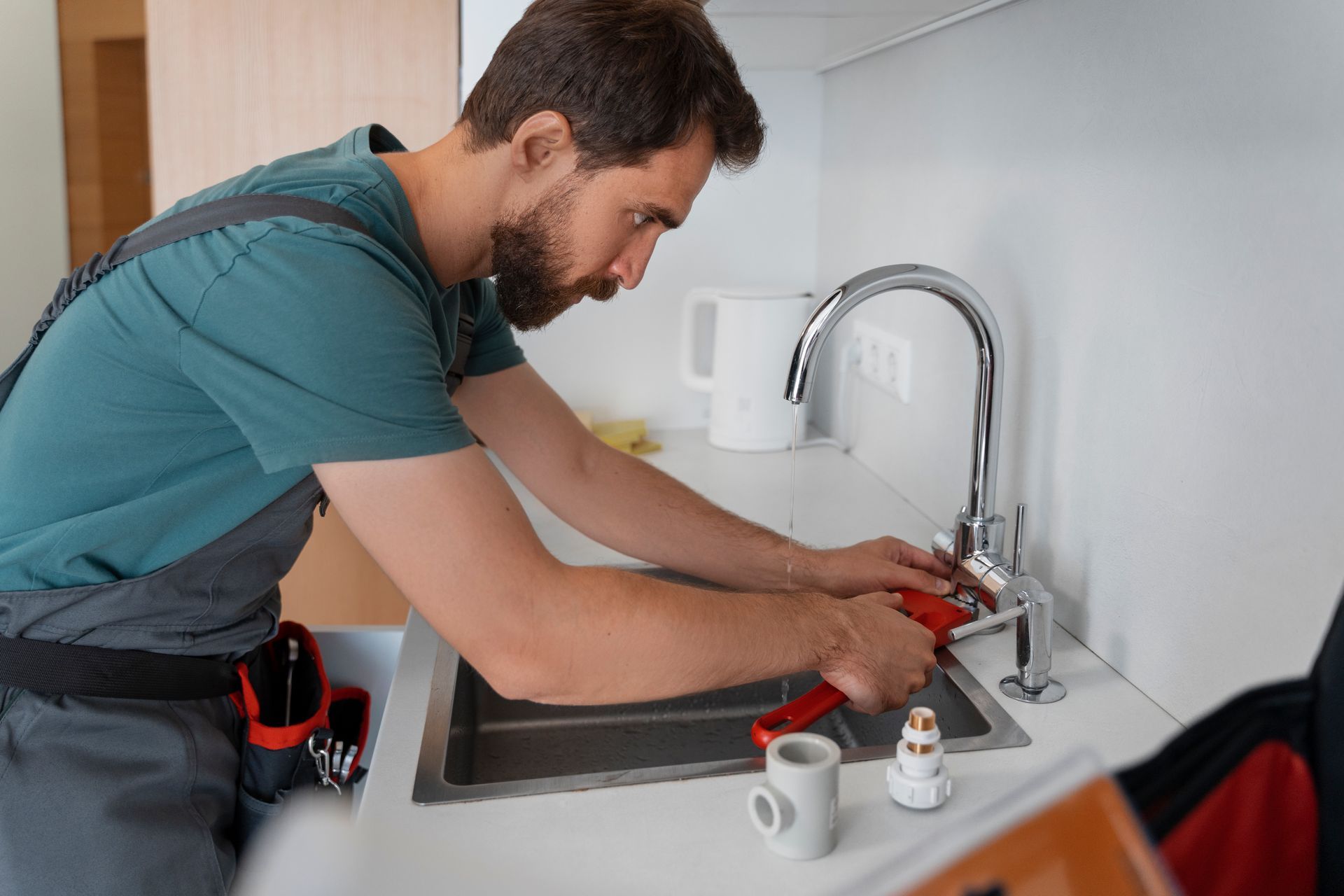
1. Inspect for Leaks: Regularly check faucets, pipes, and fixtures for leaks. Even a small drip can waste a lot of water and lead to bigger issues if not fixed promptly.
2. Clean Drains: Prevent clogs by cleaning drains regularly. Use a drain cleaner or a natural solution like a mix of baking soda and vinegar. This helps keep the pipes clear of buildup.
3. Check Water Pressure: Ensure your office has adequate water pressure. Low water pressure can indicate a problem in the pipes while high pressure can cause undue stress on the plumbing system.
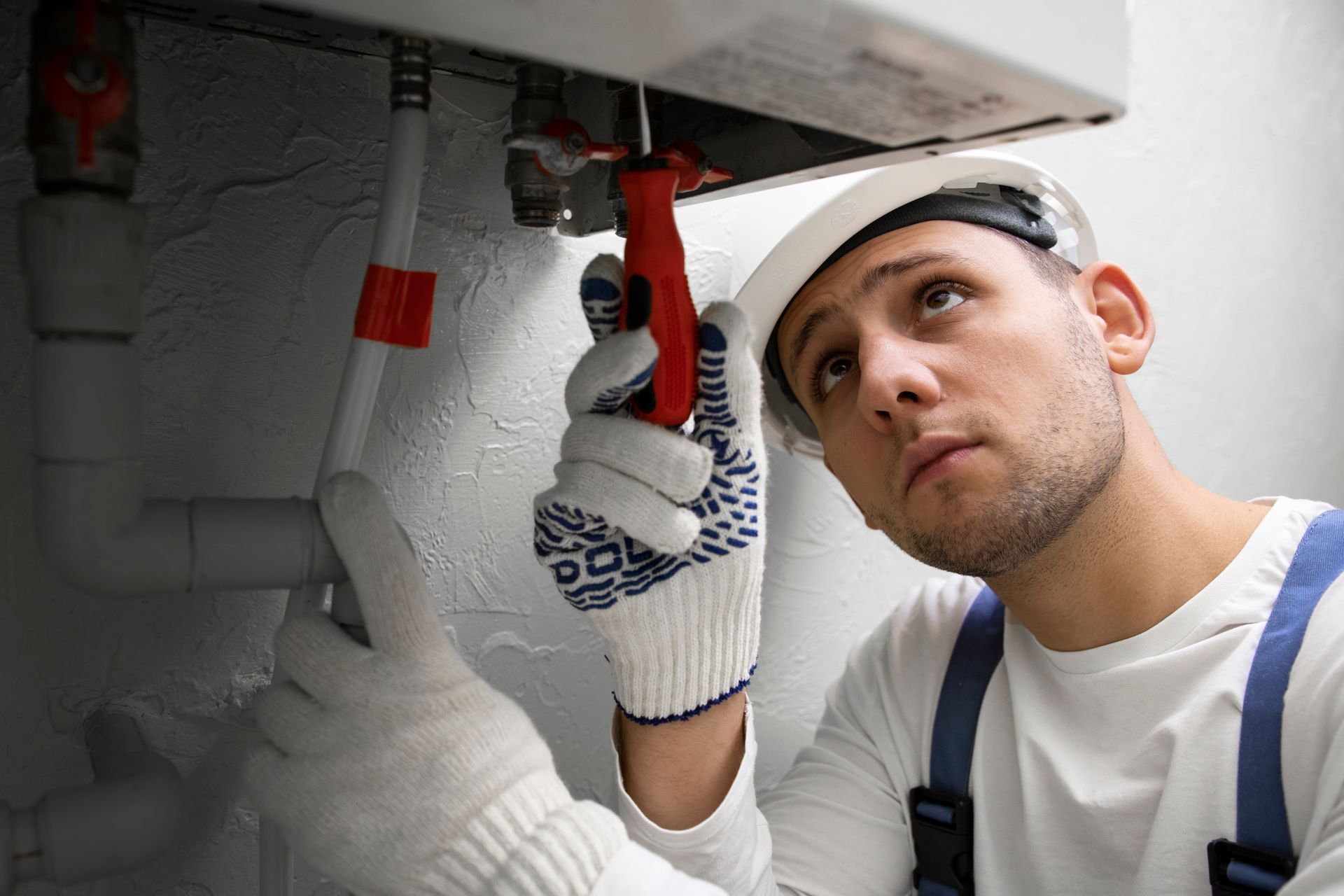
4. Service Water Heaters: Have your water heater serviced annually. This includes checking the temperature setting, inspecting for leaks, and flushing the tank to remove sediment.
5. Educate Employees: Inform employees about what can and cannot be flushed or poured down the drains. This helps prevent common clogs and plumbing issues stemming from improper use.
Regular maintenance reduces the risk of unexpected plumbing problems and helps keep your office running smoothly. A little effort now can save significant time and money in the long run.
Common Signs of Plumbing Issues in Offices
Detecting plumbing problems early can prevent costly repairs and disruptions. Here are some common signs that may indicate plumbing issues in your office:
1. Slow Drains: If sinks or toilets are draining slowly, it could be a sign of a clog or blockage in the pipes. This is often caused by buildup of soap, grease, or debris.
2. Unpleasant Odors: Foul smells emanating from drains are a clear indicator of plumbing issues. It could be due to a clog, sewer gas, or poor ventilation in the plumbing system.
3. Water Stains: Check for water stains on walls, ceilings, and floors. These stains often signal leaks behind the surfaces, which could lead to structural damage if not addressed.
4. Noisy Pipes: If you hear strange noises like banging or gurgling coming from the pipes, it could mean there’s trapped air, loose pipes, or other underlying issues.
5. Increased Water Bills: An unexplained rise in water bills often points to hidden leaks. Regular monitoring of your water usage can help identify and fix these issues early.
6. Mold Growth: Mold or mildew around plumbing fixtures or on walls can indicate a persistent leak. Mold is not only unsightly but can also pose health risks to employees.
By staying vigilant and addressing these signs promptly, you can avoid more severe plumbing problems. Regular inspections and timely repairs ensure a safe and comfortable working environment for everyone.
Environmentally Friendly Practices for Office Plumbing
Implementing eco-friendly practices in your office plumbing can help conserve water, reduce waste, and lower utility bills. Here are some effective ways to make your office plumbing more sustainable:
1. Install Low-Flow Fixtures: Replace standard faucets, toilets, and showerheads with low-flow versions. These fixtures use less water without compromising performance, resulting in significant water savings over time.
2. Fix Leaks Promptly: Even small leaks can waste a lot of water. Regularly inspect plumbing fixtures and pipes for leaks and repair them promptly to minimize water waste and potential damage.
3. Use Eco-Friendly Cleaning Products: Choose biodegradable and non-toxic cleaning products for maintaining your plumbing. Harsh chemicals can damage pipes and harm the environment.
4. Educate Employees: Encourage staff to adopt water-saving habits, like turning off the tap while washing hands and reporting any leaks or plumbing issues immediately.
5. Install Sensor Taps: Sensor-activated faucets can significantly reduce water usage by ensuring water flows only when needed, preventing waste from accidentally left running taps.
6. Upgrade Appliances: Invest in energy-efficient dishwashers and water heaters. These appliances use less water and energy, helping reduce your office’s environmental footprint.
By adopting these environmentally friendly practices, your office can play an important role in conserving resources and promoting sustainability. Small changes can make a big difference in creating a green and efficient workplace.
Emergency Preparedness for Office Plumbing Problems
Being prepared for plumbing emergencies can save your office from costly damages and downtime. Here are some steps to ensure your office is ready to handle plumbing crises:
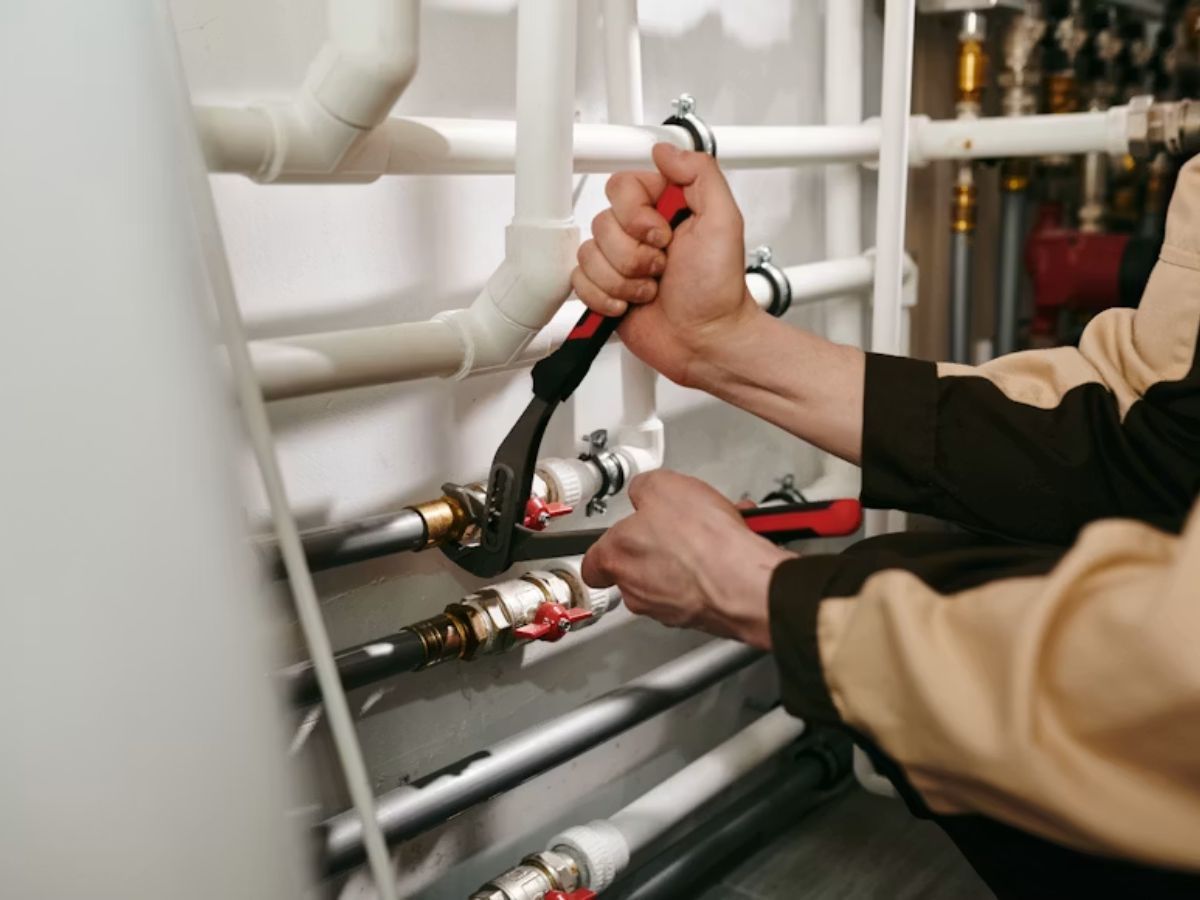
1. Know the Shutoff Valves: Familiarize yourself and your staff with the location of the main water shutoff valve and how to use it. In the event of a significant leak or burst pipe, quickly shutting off the water can prevent extensive damage.
2. Keep Emergency Supplies: Stock up on essential plumbing supplies like plungers, pipe wrenches, buckets, and towels. Having these items readily available can help manage minor emergencies until professional help arrives.
3. Create a Response Plan: Develop a clear action plan for common plumbing issues. This plan should include steps to take for different scenarios, contact information for emergency plumbing services, and designated responsibilities for staff members.
4. Conduct Regular Drills: Practice plumbing emergency drills with your team. This ensures that everyone knows what to do and can act swiftly in case of a real emergency.
5. Hire Professional Services: Establish a relationship with a reliable plumbing service that offers emergency support. Having a trusted partner means you can get swift assistance when unexpected issues arise.
Preparing for emergencies ensures your office can handle plumbing problems efficiently, minimizing disruptions and damage. A well-prepared team can quickly address issues, maintaining a safe and functional workplace.
Final Thoughts
Maintaining a problem-free plumbing system in your office is essential for a smooth-running and productive environment. By following regular maintenance tips, recognizing signs of issues early, implementing environmentally friendly practices, and being prepared for emergencies, you can avoid significant disruptions and costly repairs. Proactive measures will not only extend the lifespan of your plumbing system but also contribute to a healthier and greener workspace.
If you encounter any plumbing problems that need expert attention or require further advice, Apollo Sewer & Plumbing is here to help. Contact us today to ensure your
office plumbing remains in excellent condition, keeping your business running smoothly.
Author Bio
Apollo Sewer & Plumbing, Inc. is a trusted full-service plumbing, sewer, and septic company in Keyport, NJ, serving residential and commercial customers throughout Central New Jersey. With over 50 years of experience, the company provides plumbing repairs, septic installation and repair, sewer and drain cleaning, hydro jetting, excavation, water heater services, and 24/7 emergency plumbing. Contact Apollo Sewer & Plumbing today for dependable service and a free quote.