The Impact of Hard Water on Your Plumbing System: How to Protect Your Pipes
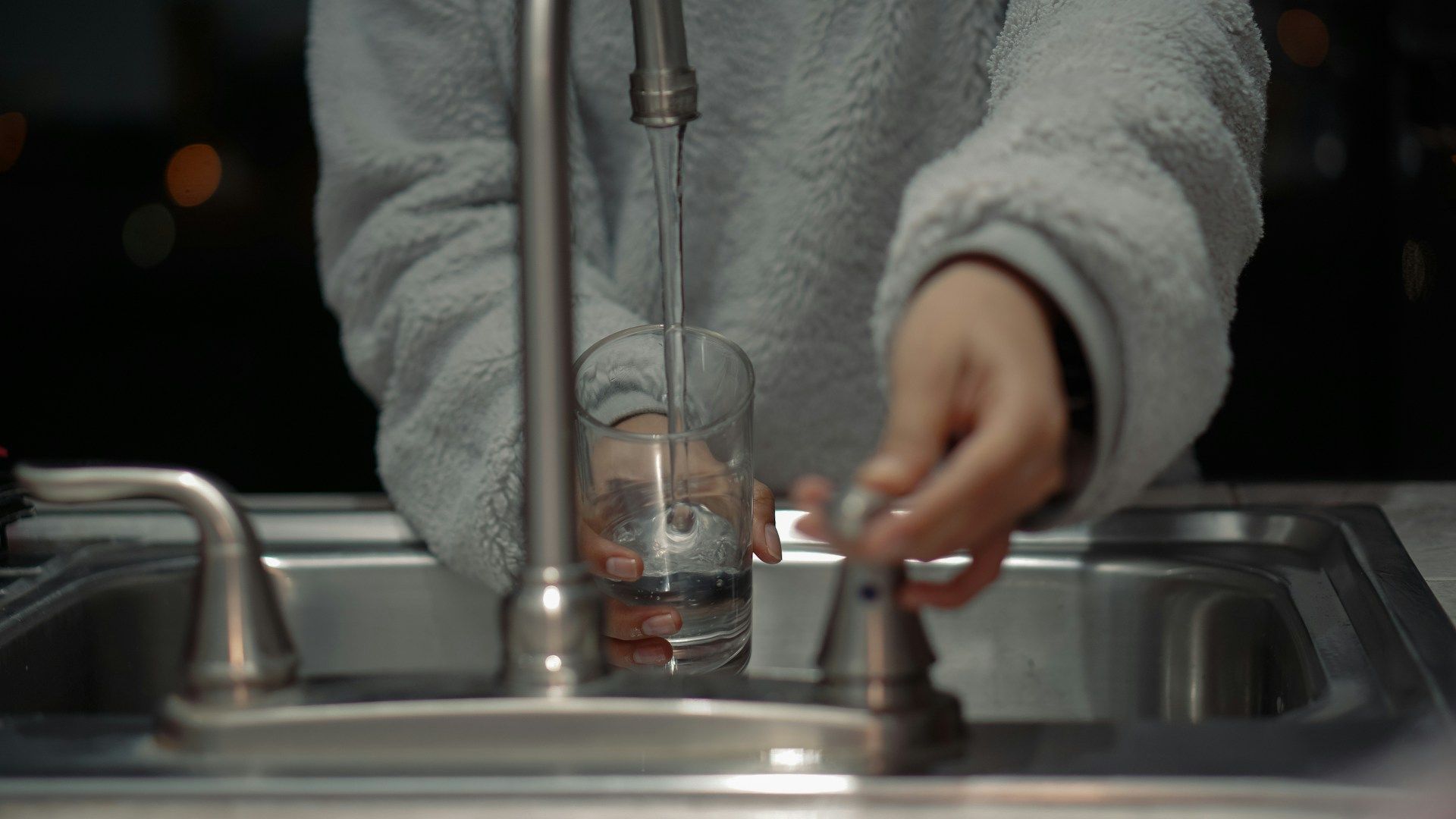
Water hardness refers to the presence of minerals, such as calcium and magnesium, dissolved in your home's water supply. While hard water is not hazardous to your health, it can have detrimental effects on your plumbing system if left unaddressed. Over time, hard water can create various issues, such as mineral buildup within pipes, reduced water pressure and flow, and even premature wear on fixtures and appliances. By understanding the problems hard water can cause, you're better equipped to protect your plumbing system from costly repairs and maintain its efficiency.
In this article, Apollo Sewer & Plumbing will explore the effects of hard water on your home's plumbing system and provide practical solutions to safeguard your pipes. We'll discuss how hard water can lead to mineral buildup and corrosion, creating obstructions and impairing water flow. Additionally, we'll provide insight into water softening options that can help prevent hard water damage while preserving the lifespan of your plumbing fixtures and appliances.
By implementing the expert tips and suggestions in this guide, you'll be better prepared to tackle hard water issues and protect your home's plumbing system from potential damage. Let's explore the impact of hard water on your pipes and learn how to keep your plumbing system running smoothly for years to come.
Common Hard Water Problems in Plumbing Systems
To better understand how to protect your plumbing system from the impact of hard water, it's crucial to recognize the common problems associated with it. Hard water can cause the following issues in your home's plumbing:
1. Mineral Buildup in Pipes: As hard water flows through your home's plumbing, the dissolved minerals can slowly deposit on the pipe walls, creating a layer of scale, which can lead to reduced water flow and increased pressure on the pipes.
2. Reduced Water Pressure: Over time, the mineral buildup caused by hard water can narrow the diameter of your pipes, leading to reduced water pressure and flow.
3. Fixture and Appliance Wear: Hard water can also damage plumbing fixtures, such as faucets and showerheads, by creating mineral deposits that interfere with their functionality. Additionally, it may lead to early wear and tear on water-using appliances like dishwashers and washing machines.
4. Corrosion: In some cases, the minerals in hard water can cause corrosion within your pipes, further degrading the performance of your plumbing system.
Identifying Hard Water Problems in Your Home
Although some signs of hard water are visible, such as mineral buildups on fixtures and appliances, other problems can go undetected until they lead to more significant plumbing issues. Here are some indicators that hard water may be affecting your plumbing system:
1. Stained Fixtures and Surfaces: If you notice reddish-brown stains on your sinks, bathtubs, or toilets, it could result from hard water's high iron content.
2. Soap Scum and Film: The minerals in hard water can interact with soap, forming a scummy residue on surfaces and leaving a filmy feeling on your skin after bathing.
3. Cloudy Glassware: A common sign of hard water is cloudy or spotted glassware, caused by the buildup of mineral deposits from washing.
4. Frequent Fixture or Appliance Repairs: If you find yourself frequently repairing or replacing plumbing fixtures and appliances due to wear or malfunction, hard water may be contributing to the damage.
Investigating Water Softening Solutions
Addressing the issues caused by hard water is essential to maintaining a healthy plumbing system. One of the most effective ways to eliminate hard water problems is to install a water softening system. Water softeners work to remove excess minerals from your water supply to help protect your pipes, fixtures, and appliances. There are several different types of water softeners available, including:
1. Traditional Salt-Based Softeners: Salt-based water softeners use an ion exchange process to replace calcium and magnesium ions with sodium ions. This process effectively reduces water hardness and the associated problems.
2. Salt-Free Softeners: Alternative salt-free water softeners are an option for those who want to avoid adding sodium to their water supply. These systems neutralize calcium and magnesium ions instead of removing them, preventing mineral buildup in pipes and fixtures.
3. Magnetic or Electronic Water Descale: These devices emit electromagnetic waves that alter the behavior of minerals in your water, preventing them from depositing on your pipes and fixtures.
When selecting a water softening system, it's crucial to consider your home's specific needs, preferences, and budget. Consulting a professional plumbing service provider like Apollo Sewer & Plumbing can help you make the best choice for your situation.
Regular Plumbing Inspections and Maintenance
An essential component of protecting your plumbing system from hard water damage is staying on top of regular inspections and maintenance. Professional plumbing services can help by:
1. Inspecting for Signs of Hard Water Damage: Experienced plumbers know what to look for regarding hard water damage and can quickly identify issues before they become major problems.
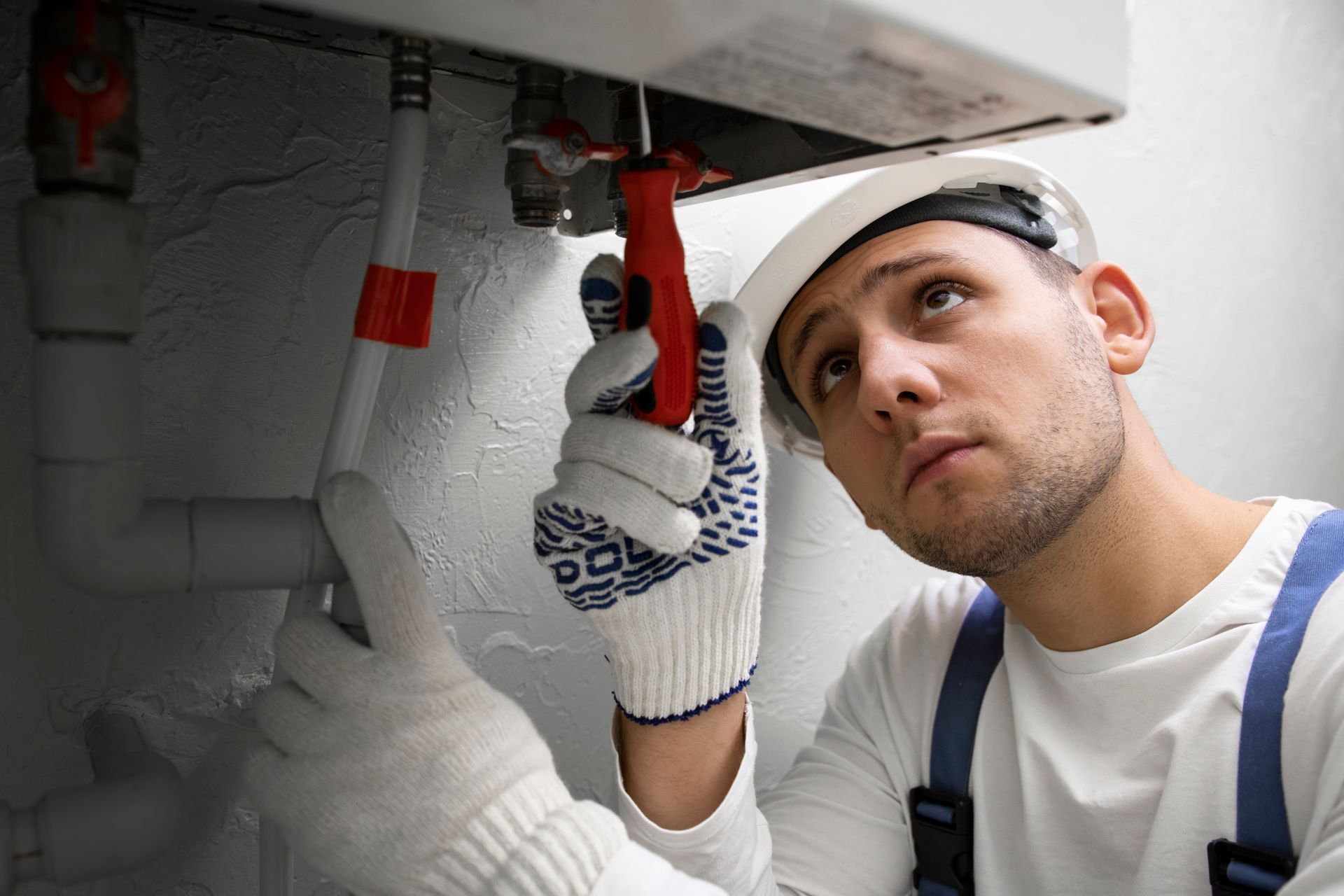
2. Assessing Water Heater Performance: Water heaters can be particularly susceptible to hard water damage. Professional plumbers can flush your water heater to remove sediment buildup and identify any signs of potential damage.
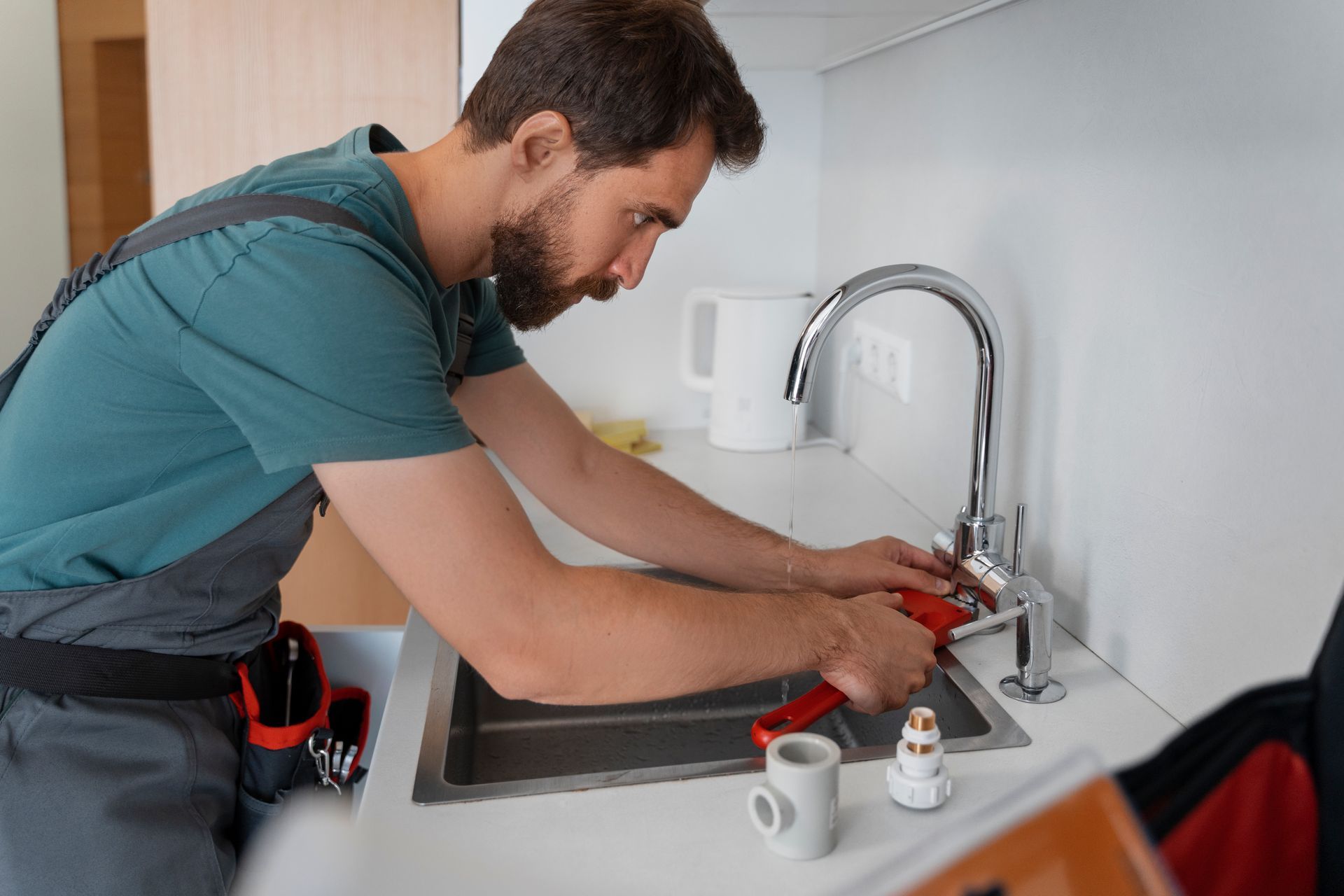
3. Cleaning and Repairing Fixtures: Regular maintenance and cleaning of your plumbing fixtures can help prevent hard water buildup and ensure your system is functioning at its best.
Protecting Your Plumbing System from Hard Water
Hard water can lead to various problems in your home's plumbing system, from mineral buildup in pipes and reduced water pressure to damaging fixtures and appliances. By recognizing the common signs of hard water damage, implementing effective water softening solutions, and scheduling regular inspections and maintenance, you can protect your plumbing system from potential issues and keep it running smoothly for years to come.
Apollo Sewer & Plumbing offers comprehensive
plumbing services and expert advice to help homeowners in Keyport, NJ, and surrounding areas keep their plumbing in optimal condition. If you're concerned about hard water issues or would like assistance with selecting and installing a water softening system, contact us today and let our team provide you with the support you need to maintain a healthy, efficient plumbing system.
Author Bio
Apollo Sewer & Plumbing, Inc. is a trusted full-service plumbing, sewer, and septic company in Keyport, NJ, serving residential and commercial customers throughout Central New Jersey. With over 50 years of experience, the company provides plumbing repairs, septic installation and repair, sewer and drain cleaning, hydro jetting, excavation, water heater services, and 24/7 emergency plumbing. Contact Apollo Sewer & Plumbing today for dependable service and a free quote.