The Importance of Grease Trap Cleaning for Restaurants

The grease trap is often an overlooked yet essential component of a restaurant's plumbing system. It plays a vital role in capturing fats, oils, and grease (FOG) from wastewater, preventing them from entering the main sewer lines and causing blockages. Regular and effective maintenance of grease traps is crucial not only for the smooth operation of your restaurant but also for ensuring compliance with local regulations and environmental standards.
In this blog, we at Apollo Sewer & Plumbing will discuss the importance of grease trap cleaning for your restaurant and highlight best practices to maintain and extend the life of your grease trap. We will also explore the potential consequences of not carrying out regular maintenance, including clogs, foul odors, and hefty fines. With our expert guidance, we aim to help you maintain a clean, efficient, and environmentally friendly restaurant operation.
Understanding grease trap operation and maintenance is essential for every restaurant owner and manager. In the following sections, we will delve into the details of grease trap cleaning frequency, proper cleaning techniques, and when to seek professional assistance for grease trap maintenance.
By staying informed and adhering to best practices, you can prevent unexpected issues related to your grease trap and focus on providing exceptional service and food to your patrons.
What is a Grease Trap and Why is it Crucial for Restaurants?
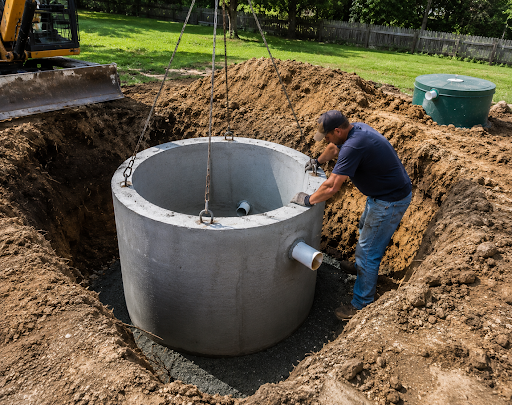
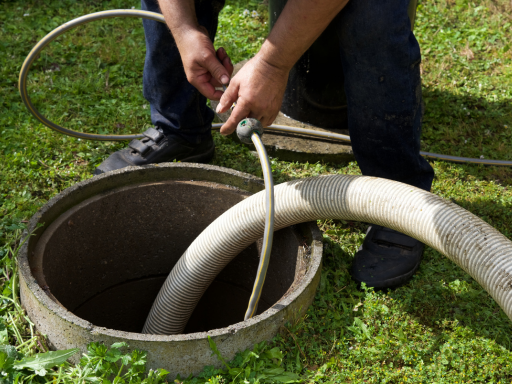
Grease traps, also known as grease interceptors, are devices designed to capture fats, oils, and grease (FOG) from wastewater generated in commercial kitchens. As wastewater flows through the grease trap, FOG separates, rises to the top, and remains inside the trap, while the purified water continues into the sewer system. By capturing FOG, grease traps prevent clogs and blockages that can disrupt your restaurant's operations and lead to sewage backups.
Apart from ensuring seamless wastewater flow, grease traps also help reduce the environmental impact caused by improperly disposed FOG. When FOG enters sewer lines and water treatment facilities, it can cause environmental and infrastructure issues, making regular grease trap cleaning and maintenance an essential part of responsible business operations.
How Often Should You Clean Your Grease Trap?
The frequency of grease trap cleaning varies depending on several factors, including the size of your trap, the volume of FOG produced by your restaurant, and local regulations. As a general rule, it is important to clean your grease trap once it is 25% full, as exceeding this limit can reduce its effectiveness and result in clogs and malodors.
To maintain optimal grease trap performance, it is recommended that most restaurants clean their traps every one to three months. However, it is essential to closely monitor your trap's FOG accumulation and adjust your cleaning schedule accordingly, as certain restaurants, especially those with high grease-producing menus, may need more frequent cleanings.
Best Practices for Grease Trap Cleaning
While professional grease trap cleaning services are advised for thorough and efficient results, it is still crucial for restaurant staff to know the basics of grease trap maintenance and cleaning. Here are some best practices to follow:
- Always Wear Personal Protective Equipment (PPE): When cleaning grease traps, staff should wear appropriate PPE, such as gloves, goggles, and masks, to ensure their safety.
- Empty and Scrape the Grease Trap: Begin the cleaning process by removing the lid from the grease trap, followed by emptying the water inside using a small pump or bucket. After that, carefully scrape out the FOG contents and properly dispose of them in a designated waste receptacle.
- Inspect and Clean Components: Inspect the parts of the grease trap, such as baffles and gaskets, for damage or wear. Clean these components thoroughly and replace them if necessary.
- Record Cleaning Dates: Maintain a log of grease trap cleaning dates, amounts of FOG removed, and any additional observations to ensure proper record-keeping and adherence to local regulations.
- Train Your Staff: Train your restaurant staff on the importance of grease trap maintenance and best practices for disposing of cooking oils and grease to minimize clogging risks.
When to Seek Professional Grease Trap Cleaning Services
Despite your best efforts, there may be situations when seeking professional grease trap cleaning services is necessary, including:
- Regular Maintenance: Scheduling routine professional cleanings as part of your overall grease trap maintenance plan guarantees a thorough and efficient cleaning process.
- Compliance with Regulations: Professional services ensure that your restaurant complies with local ordinances and environmental regulations, reducing the risk of fines or penalties.
- Odor Control: Professional services can help eliminate persistent odors resulting from improper grease trap maintenance.
- Troubleshooting and Repairs: If you encounter issues with your grease trap or are experiencing recurring clogs and backups, a professional service can diagnose and resolve underlying problems.
Keep Your Restaurant Running Smoothly with Proper Grease Trap Maintenance
Understanding the importance of grease trap cleaning and maintenance is vital for the successful operation of your restaurant. By following best practices and adhering to a regular cleaning schedule, you can prevent costly plumbing issues, enhance your restaurant's sustainability, and focus on providing excellent food and service to your patrons.
Are you a restaurant owner in need of expert help with
grease trap cleaning and maintenance? Look no further than Apollo Sewer & Plumbing for comprehensive and reliable service. Our experienced team is dedicated to providing top-quality plumbing solutions so you can focus on serving your customers with exceptional dining experiences. Contact us today to schedule an appointment and let us take care of your restaurant's plumbing needs.
Author Bio
Apollo Sewer & Plumbing, Inc. is a trusted full-service plumbing, sewer, and septic company in Keyport, NJ, serving residential and commercial customers throughout Central New Jersey. With over 50 years of experience, the company provides plumbing repairs, septic installation and repair, sewer and drain cleaning, hydro jetting, excavation, water heater services, and 24/7 emergency plumbing. Contact Apollo Sewer & Plumbing today for dependable service and a free quote.