FAQs: Your Plumbing Questions Answered by Apollo Sewer & Plumbing Experts
Plumbing systems, though often overlooked, play an essential role in our everyday lives, providing us with clean water supply and efficient wastewater disposal. Maintaining a healthy plumbing system is crucial for our well-being, safety, and home efficiency, which is why understanding their workings and having access to reliable plumbing repair and maintenance services is vital. In this FAQ article, we have compiled answers to the most common plumbing questions, addressing a wide range of topics, all provided by the experienced professionals at Apollo Sewer & Plumbing.
Whether you're a homeowner with a plumbing concern or merely seeking insight into best practices, these answers will shed light on important aspects of your home's plumbing system. Read on to explore expert guidance and tested advice from our dedicated team at Apollo Sewer & Plumbing, committed to offering top-quality service and assistance.
1. What Should Be Included in Regular Plumbing Maintenance?
Regular plumbing maintenance ensures that your home's plumbing system remains functional and efficient, preventing unexpected costly repairs or damage. Key aspects to include in regular plumbing maintenance are:
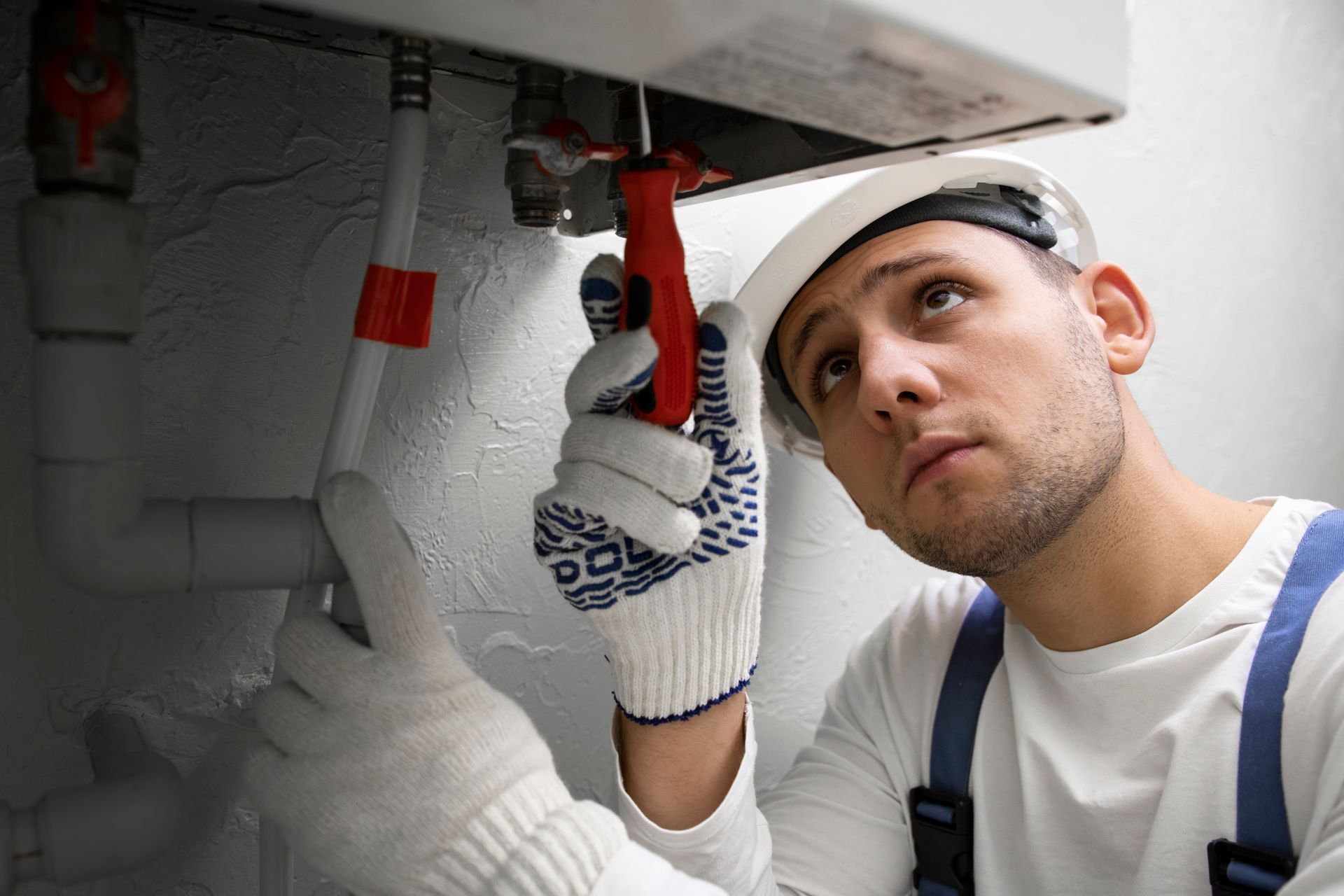
- Inspecting: Visually examine pipes, faucets, fixtures, and appliances for leaks, corrosion, or other signs of damage. Check the water heater and its pressure relief valve for any issues as well.
- Cleaning: Routinely clean drains and remove any buildup of debris in sink traps, shower drains, and garbage disposals. Regularly use drain cleaning agents to maintain free-flowing pipes.
- Testing: Verify that the water pressure within the home is within the recommended range (usually between 40-60 psi). If the pressure is too high, it could damage pipes and appliances. Test the functionality of sump pumps and backup systems.
- Servicing: Schedule professional maintenance services, such as water heater tune-ups, video camera sewer line inspections, and drain cleaning, to keep your plumbing system running smoothly.
2. How Can I Prevent Clogged Drains?
Clogged drains are among the most common plumbing problems homeowners face. Follow these tips to help prevent clogged drains:
- Use drain strainers: Place strainers in your sinks, tubs, and showers to catch hair, food particles, and other debris that could lead to clogs.
- Dispose of grease properly: Never pour grease, oil, or fats down the drain, as they solidify and lead to blockages. Instead, allow them to cool and dispose of them in the garbage.
- Be mindful of what goes down the drain: Avoid flushing items that are not designed for toilets, such as sanitary products, paper towels, or flushable wipes. These can cause clogs and damage to sewage systems.
- Regular cleaning: Use natural cleaning methods, such as hot water or a mixture of baking soda and vinegar, to keep your drains clean and free from build-up.
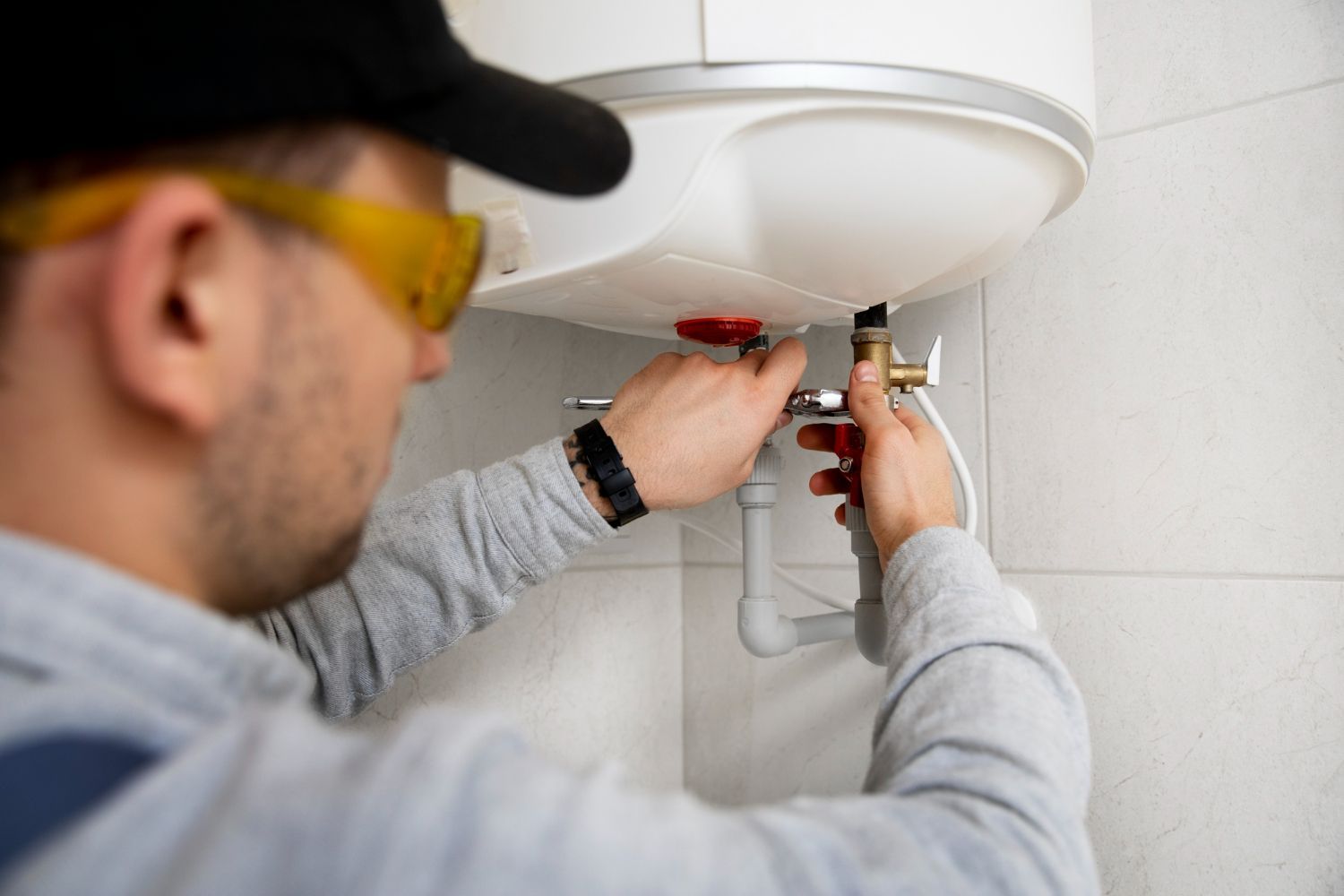
3. When Should I Replace My Water Heater?
Typically, a conventional tank water heater has an 8-12 years lifespan, whereas a tankless water heater can last up to 20 years. Consider replacing your water heater if:
- Age: If your water heater has surpassed its expected lifespan and is experiencing frequent repairs or decreased efficiency, it's time for a replacement.
- Leaking: If you notice water pooling around the base of the water heater, it may be indicative of a corroded tank or a leaking pressure relief valve, requiring a replacement.
- Rust or corrosion: Rusty water, or visible rust or corrosion on the water heater, could mean that the tank is deteriorating and could potentially leak.
- Inconsistent hot water supply: If you're experiencing inconsistent hot water temperatures or a decline in the amount of hot water available, it could signal that your water heater needs replacement.
4. How Can I Save Water and Reduce My Water Bill?
Implementing water-saving measures not only conserves a precious resource but also reduces your water bill. Here are some tips for saving water at home:
- Update fixtures: Replace old, inefficient faucets, showerheads, and toilets with high-efficiency WaterSense-labeled models, which can reduce water consumption by up to 20%.
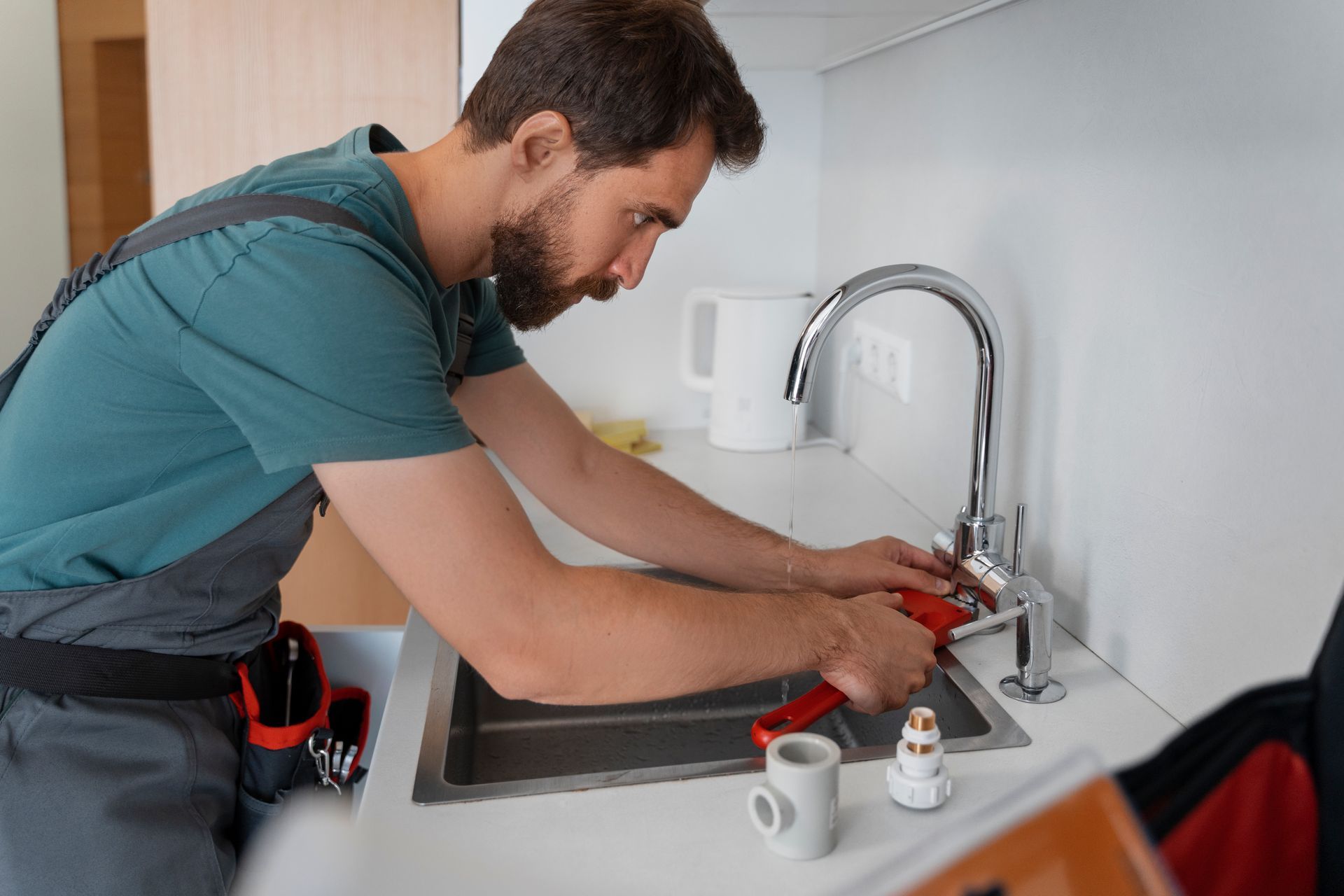
- Fix leaks: Leaky faucets, pipes, and toilets can waste gallons of water daily. Repair leaks promptly to avoid water waste and prevent damage to your home.
- Use appliances efficiently: Run full loads in your dishwasher and washing machine, and utilize their eco-friendly settings to conserve water and energy.
- Water-saving habits: Adopt simple habits like turning off the faucet while brushing your teeth and taking shorter showers to reduce water usage.
- Install a rain sensor: Connect a rain sensor to your irrigation system to avoid watering your lawn when it's already raining, saving water and money.
5. How Do I Know if I Have a Sewer Line Problem?
Sewer line issues can be disruptive and damaging to your home, making early detection crucial. Watch out for these warning signs:
- Frequent clogs: If you experience regular backups or slow drains, it could be indicative of an obstruction or damage to your sewer line.
- Unpleasant odors: Sewer gas smells coming from drains or in your yard may signal a cracked or leaking sewer line.
- Mold : Increased humidity and mold growth in your home could indicate a hidden sewer line leak.
- Lush patches in your yard: An unusually green or damp area in your yard might be a result of excess nutrients from a leaking sewer line.
- Foundation issues: Sewer line leaks can lead to foundation damage, visible through cracks in walls or floors and uneven surfaces.
6. What Should I Do in a Plumbing Emergency?
In a plumbing emergency, such as a burst pipe, overflowing toilet, or severe sewer line issue, follow these steps:
- Shut off the water: Immediately turn off the main water valve to stop further damage and flooding.
- Turn off electrical appliances: If water comes into contact with electrical devices or outlets, turn them off and unplug them to prevent electrocution or fire hazards.
- Assess the situation: Determine the extent of the damage and if it's safe for you to handle any cleanup or temporary fixes, such as using a plunger or turning off an individual valve.
- Call a professional: Contact a trusted plumber like Apollo Sewer & Plumbing for immediate assistance in dealing with the emergency and mitigating damage.
By addressing plumbing emergencies promptly and relying on the skills of experienced professionals, you can help protect your home, family, and finances from further damage.
Depend on Apollo Sewer & Plumbing for All Your Plumbing Needs
Understanding the fundamentals of your home's plumbing system, recognizing warning signs, and prioritizing regular maintenance can contribute significantly to its functionality, safety, and efficiency. Trusting Apollo Sewer & Plumbing as your go-to resource ensures that you have experts readily available to answer your questions, provide top-quality services, and help you navigate any plumbing challenges with ease.
Don't hesitate to reach out to Apollo Sewer & Plumbing for assistance with any plumbing concerns, emergencies, or maintenance projects in your home. Visit our website or call us at (732) 264-3666 to request a quote and experience the top-notch
emergency plumbing services, expert advice, and dependable solutions our team proudly offers. Let us help safeguard your home's plumbing system and make your life more comfortable and worry-free.
Author Bio
Apollo Sewer & Plumbing, Inc. is a trusted full-service plumbing, sewer, and septic company in Keyport, NJ, serving residential and commercial customers throughout Central New Jersey. With over 50 years of experience, the company provides plumbing repairs, septic installation and repair, sewer and drain cleaning, hydro jetting, excavation, water heater services, and 24/7 emergency plumbing. Contact Apollo Sewer & Plumbing today for dependable service and a free quote.